The Secret Calendar of Unique Holidays Around the World
01 Jan 1970Forget the predictable parade of Christmas trees and fireworks. Our world pulses with a vibrant array of holidays, each a unique window into the heart of a culture. From the snow-capped peaks of Japan to the sun-drenched plains of Bolivia, these are the celebrations that rarely make headlines but deeply define what it means to be human. Imagine a land where melons are national treasures, or where a Christmas witch soars through the night sky, delivering sweets and coal. Distinct traditions, both ancient and modern, reveal the diverse ways humanity marks time, honors its past, and finds joy in the present. This article invites you on a journey across continents, unveiling celebrations that challenge our perceptions and ignite our curiosity.
Ystavanpaiva (Friend’s Day, Finland)
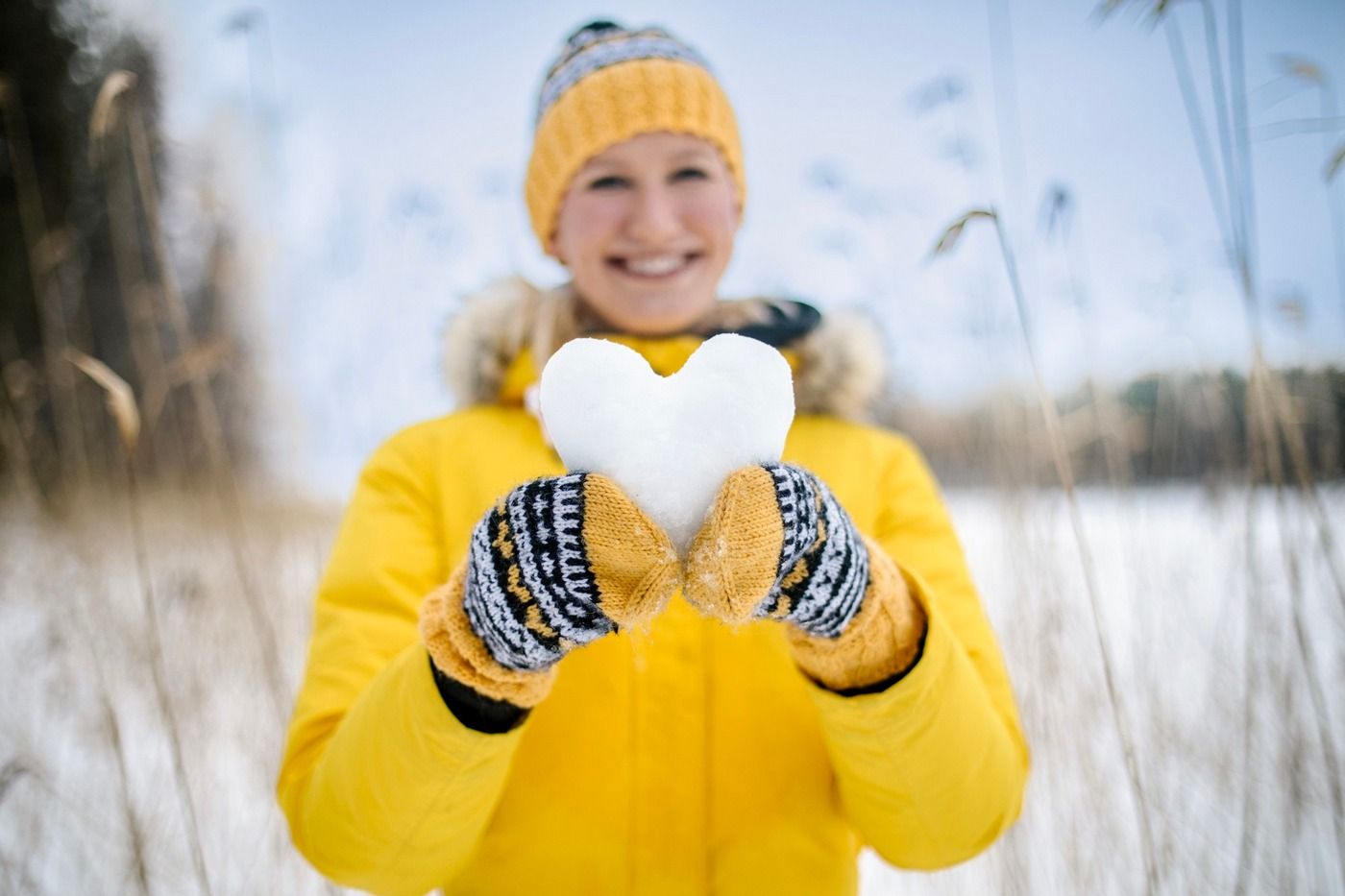
February 14th is not just about romantic love. In Finland, it’s Ystavanpaiva, or Friend’s Day, a celebration of friendship in all its forms. Unlike Valentine’s Day in many other countries, the Finnish version emphasizes platonic bonds, with people exchanging cards, gifts, and heartfelt messages with friends.
@LakelandFinland/facebook.com
The day is a reflection of Finland’s values of loyalty and community, offering a refreshing alternative to the often commercialized focus on romance. Ystavanpaiva is a reminder that love comes in many forms, and that friendships are just as worthy of celebration. It’s a day to cherish the people who stand by us through thick and thin, making life brighter and more meaningful.
Bun Day (Iceland)
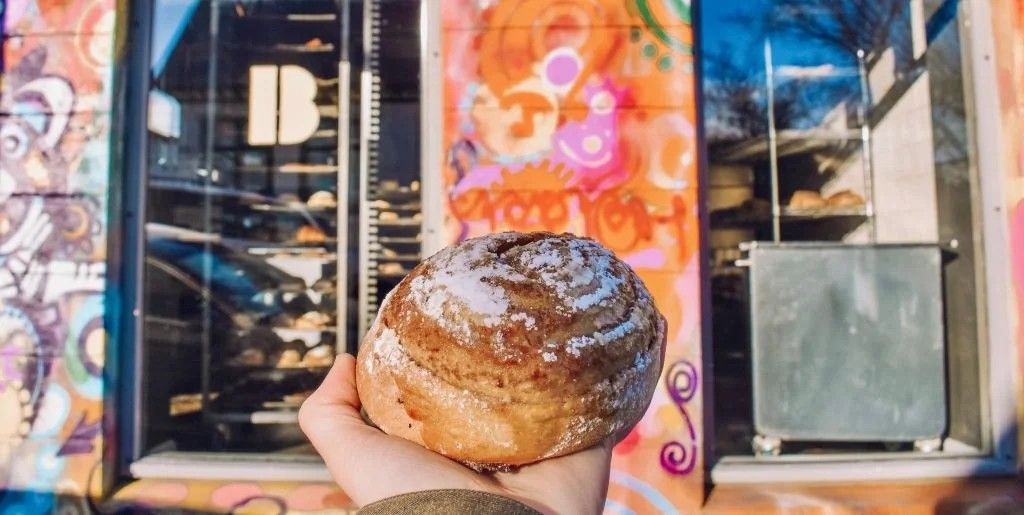
In Iceland, the Monday before Lent is anything but ordinary—it’s Bolludagur, or Bun Day! The nation transforms into a paradise of pastries, as bakeries overflow with bollur, fluffy choux buns filled with whipped cream and jam, topped with chocolate.
@zachshefska/reddit.com
But Bun Day isn’t just about indulging in sweets; it’s a playful family affair. Children armed with colorful wands wake their parents by playfully spanking them while shouting, "Bolla! Bolla!"—for each strike, they earn a delicious bun. The more mischievous the child, the bigger their bun reward!
Melon Day (Turkmenistan)
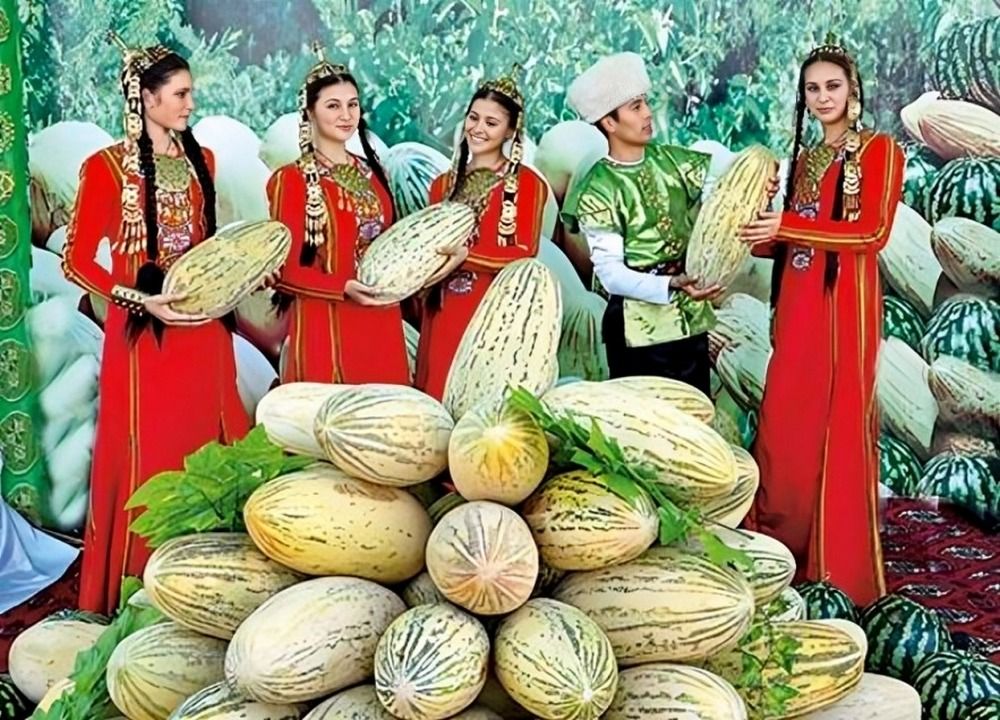
In the golden August heat, Turkmenistan bursts into celebration—Melon Day, a tribute to the country’s prized muskmelons. Sweet, fragrant, and sun-kissed, these melons are a symbol of national pride. In Ashgabat, melon growers showcase their juiciest varieties, while festivals feature contests, parades, and even melon-themed poetry readings.
@MelonDaySF/facebook.com
The Turkmenbashi melon, renowned for its honey-like taste, is the star of the show. More than just a fruit, melons represent fertility, abundance, and the agrarian spirit of the Turkmen people. A day dedicated to a single fruit? Yes, but in Turkmenistan, melons are not just food—they are a national treasure.
White Day (Japan, South Korea, Taiwan)
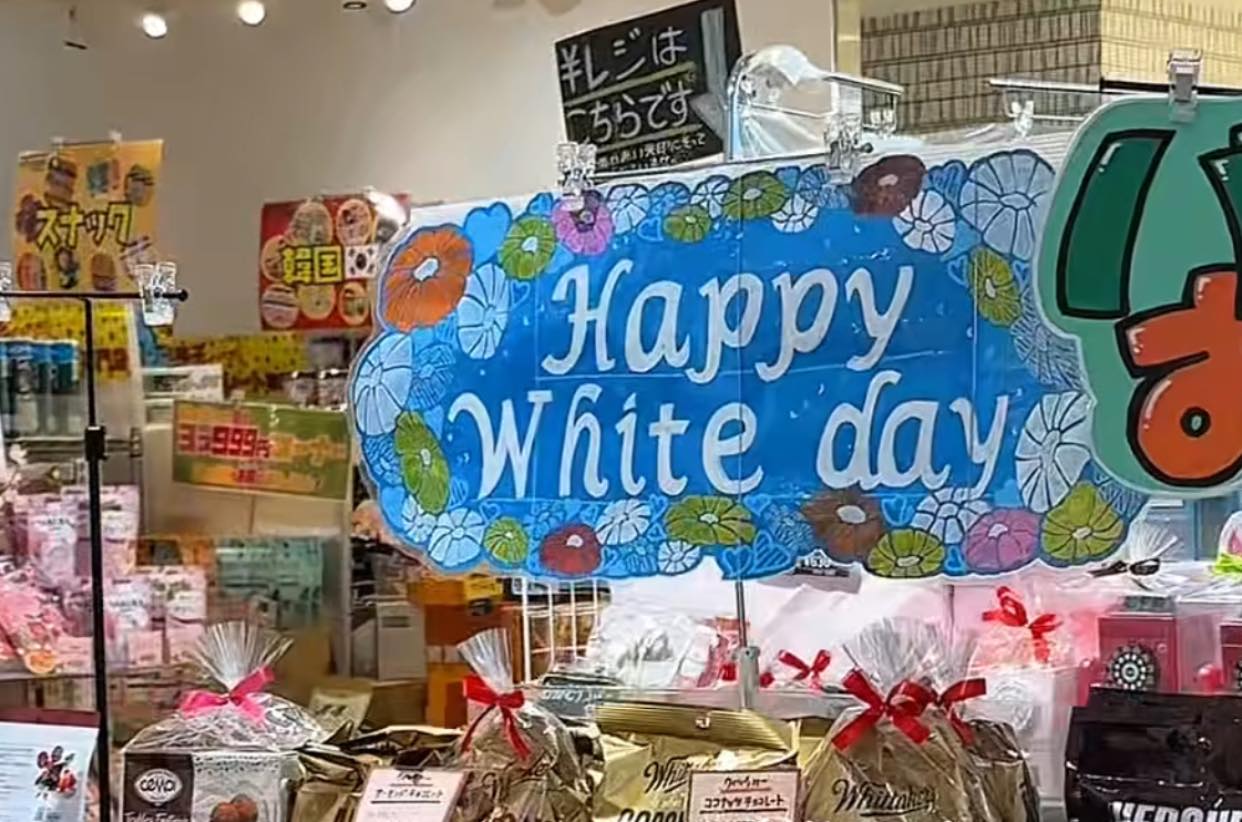
A month after Valentine’s Day, it’s time for the grand gesture. On White Day, men return the favor, gifting chocolates, marshmallows, and jewelry to women who gifted them on February 14. But beware—the "rule of three" suggests that the return gift should be three times the value of what was received!
@TokyoUndergroundPerth/facebook.com
The holiday originated in Japan in 1978, promoted by confectioners, and soon spread to South Korea and Taiwan. The symbolism of white—purity, sincerity—adds a poetic touch, but social dynamics are evolving, with some seeing White Day as an outdated obligation. Still, for many, it's a romantic encore to Valentine's Day.
Kaanum Pongal (India)
The air is thick with the scent of sugarcane and turmeric as Tamil families step out for Kaanum Pongal, the final day of the Pongal festival. Unlike the first three days, which focus on offerings and gratitude, Kaanum Pongal is about togetherness. Families pack baskets of sakkarai pongal (sweet rice), fruits, and snacks before heading to rivers, beaches, or picnic spots.
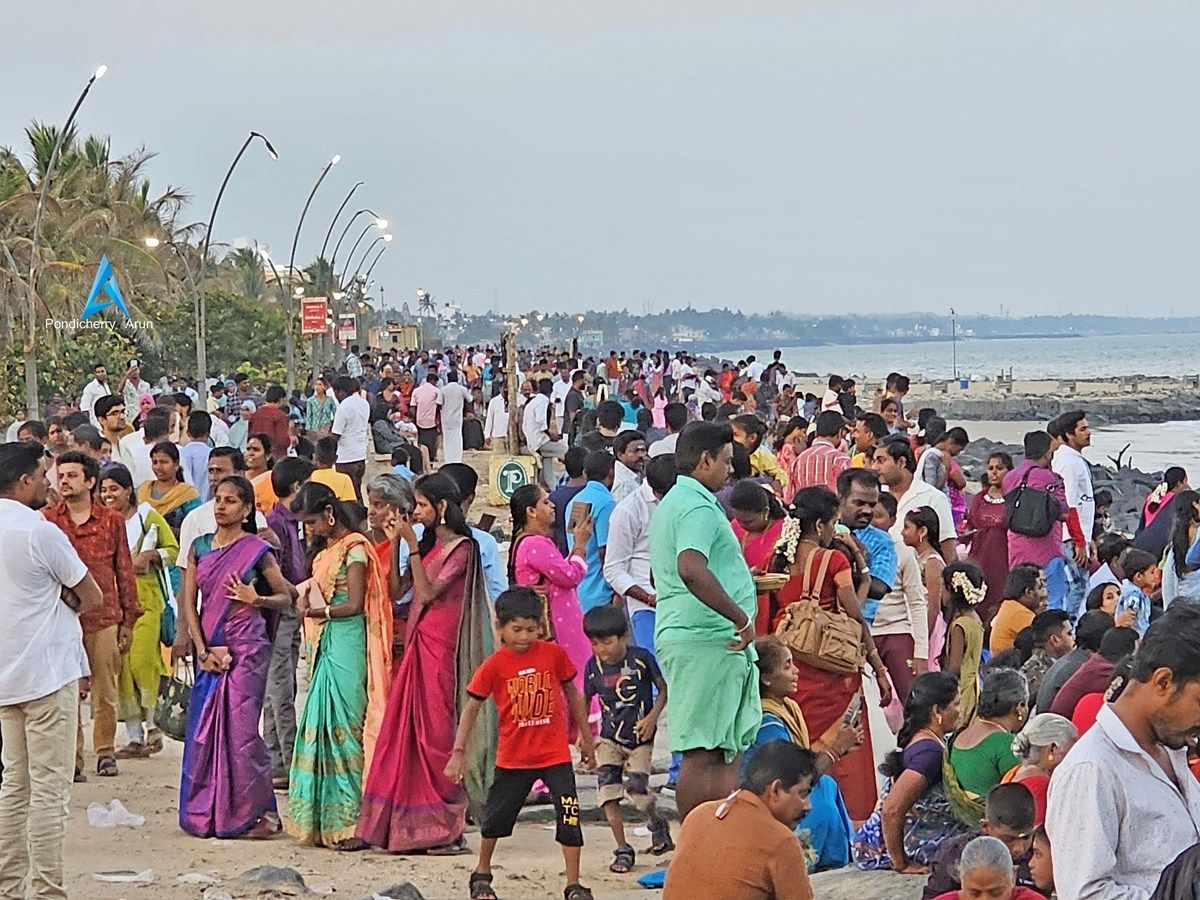
@Pondicherry/facebook.com
In Tamil Nadu, lovers exchange secret glances, as the day has become synonymous with youthful romance. It's also a day of blessings—youngsters seek the elder’s approval for future endeavors, ensuring that bonds, like the harvest, remain fruitful.
Epiphany Witch (Italy)
Long before Santa Claus took center stage, La Befana, Italy’s beloved Christmas witch, soared through the night skies on January 6. Dressed in tattered clothes, her face weathered yet kind, she visits children, leaving sweets for the good and coal for the naughty.
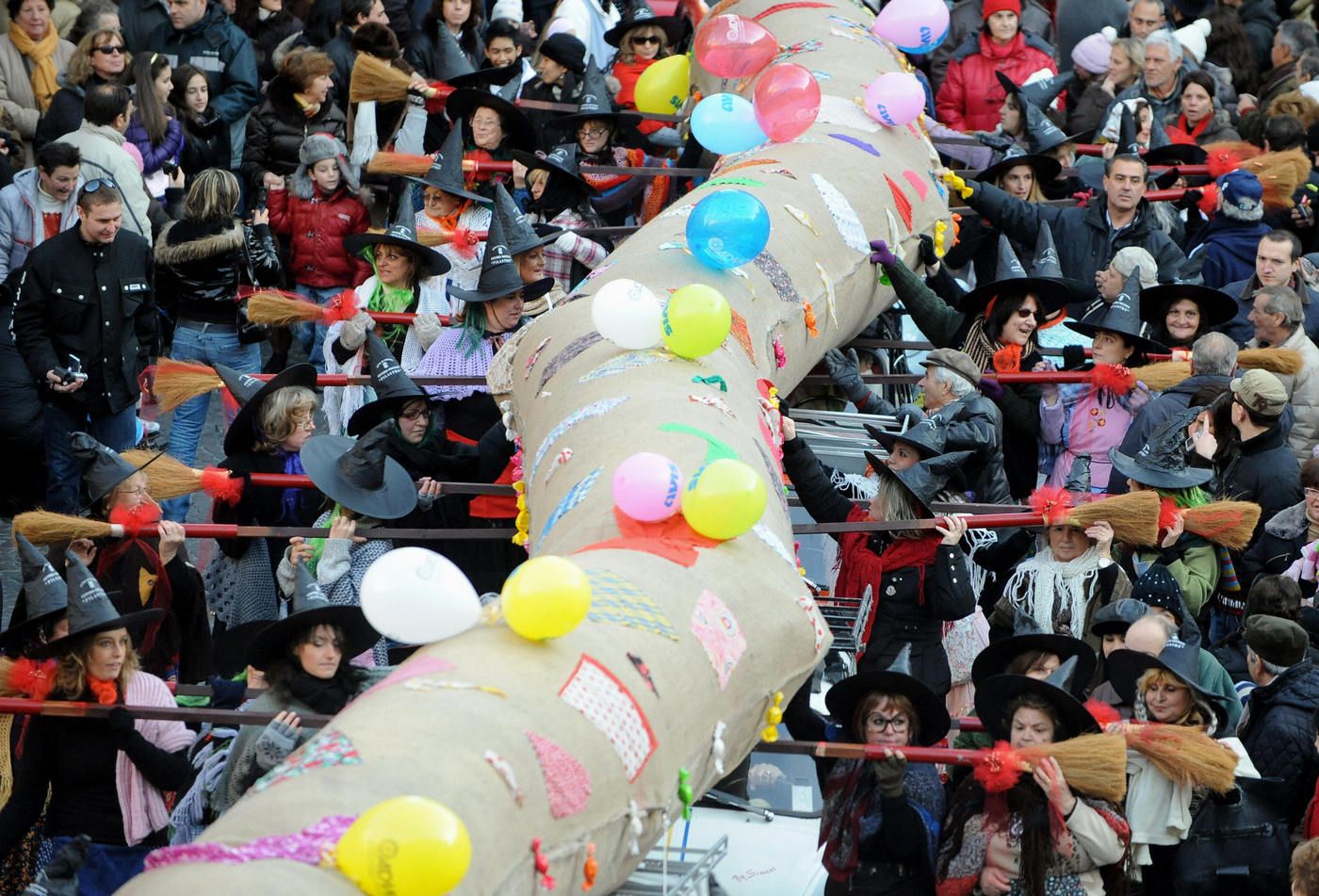
@TheCommentaryKing/facebook.com
The legend says the Three Wise Men invited her to visit baby Jesus, but she refused, only to regret it later. Now, she spends eternity searching for Him, leaving gifts along the way. Epiphany in Italy is incomplete without her, and across the country, processions, parades, and Befana markets bring magic to this ancient folklore.
Tu B’Shevat (Israel)
The land of Israel bursts into celebration on Tu B’Shevat, the "New Year of Trees," a holiday with roots both ancient and ecological. Originally a biblical agricultural marker, today it has evolved into an environmental awakening. Across the country, people plant trees, reflecting the wisdom of the Talmud.
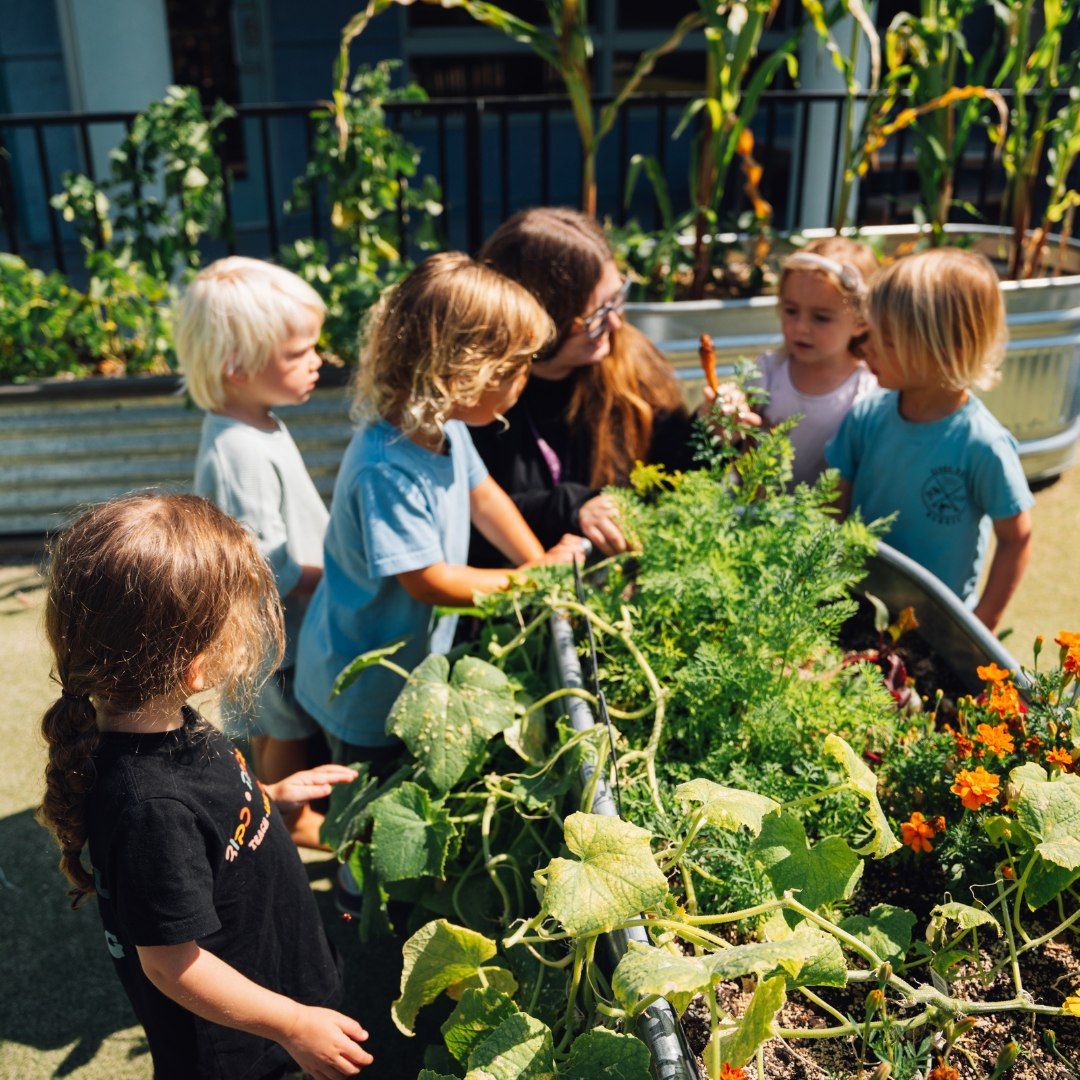
@AlpertJCC/facebook.com
It teaches that if you have a sapling in your hand and they tell you the Messiah has come, plant the sapling first. In homes and synagogues, tables are filled with the seven species—wheat, barley, grapes, figs, pomegranates, olives, and dates—symbolizing the bounty of the land.
Berchtold’s Day (Switzerland, Liechtenstein)
Unlike many holidays with clear origins, the roots of Berchtold’s Day, celebrated on January 2nd in Switzerland and Liechtenstein, are somewhat obscure. Some theories link it to a medieval duke or ancient pagan customs. The day is marked by communal gatherings, where families and friends share meals of hearty winter dishes like Barchtoldistaffel.
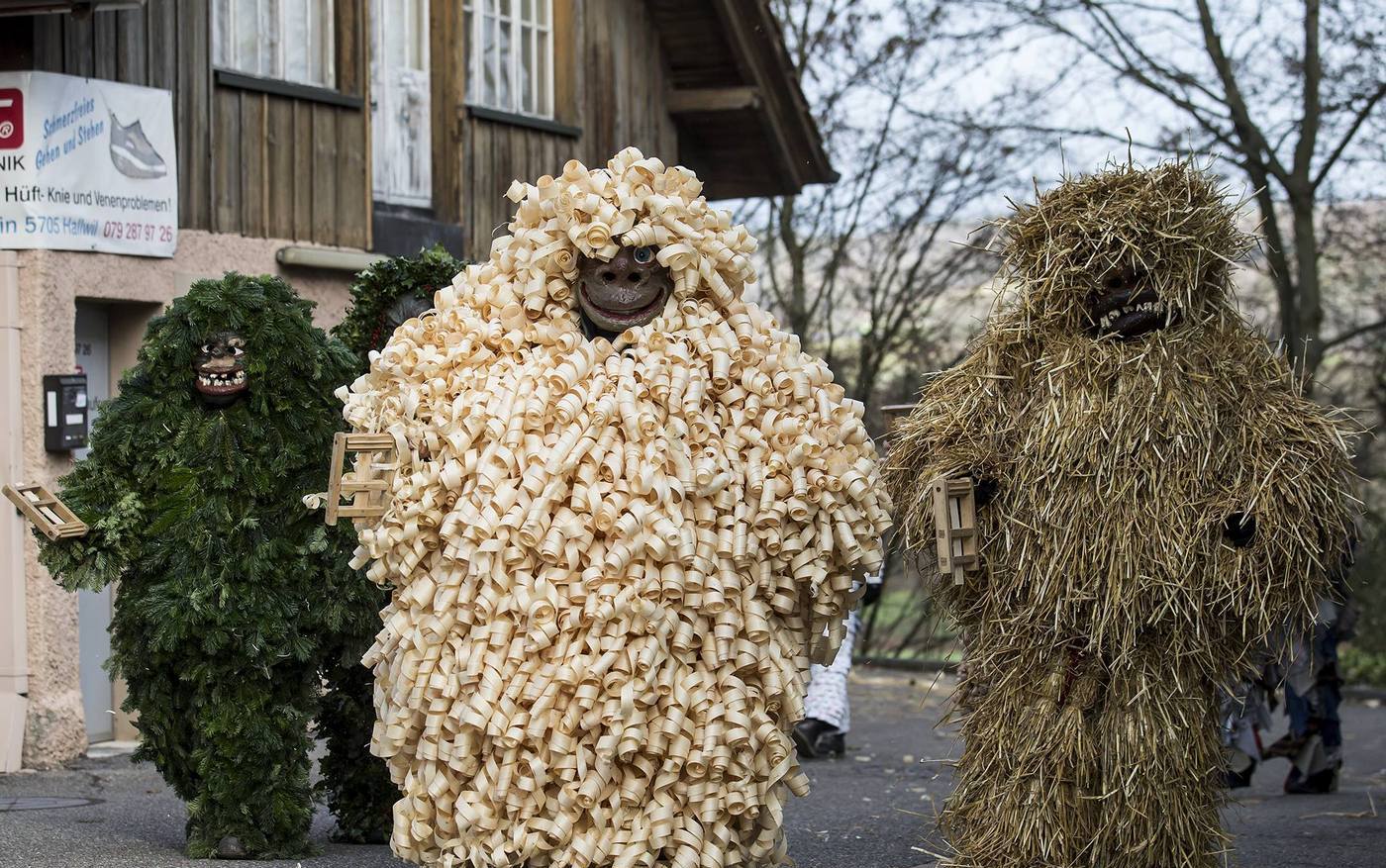
@dw.euromaxx/facebook.com
In some regions, children participate in nut-themed games, rolling or cracking nuts in friendly competitions. The holiday’s charm lies in its simplicity and the warmth it brings during the cold winter months. It’s a day to reflect on the past year, enjoy the company of loved ones, and embrace the quiet beauty of winter.
Saint Lucia’s Day (Sweden)
On December 13th, Sweden transforms into a luminous wonderland to celebrate Saint Lucia’s Day, a festival of light that pierces the long, dark Nordic winter. The celebration centers around the figure of Lucia, a young woman dressed in a white gown with a crown of candles, symbolizing hope and light.
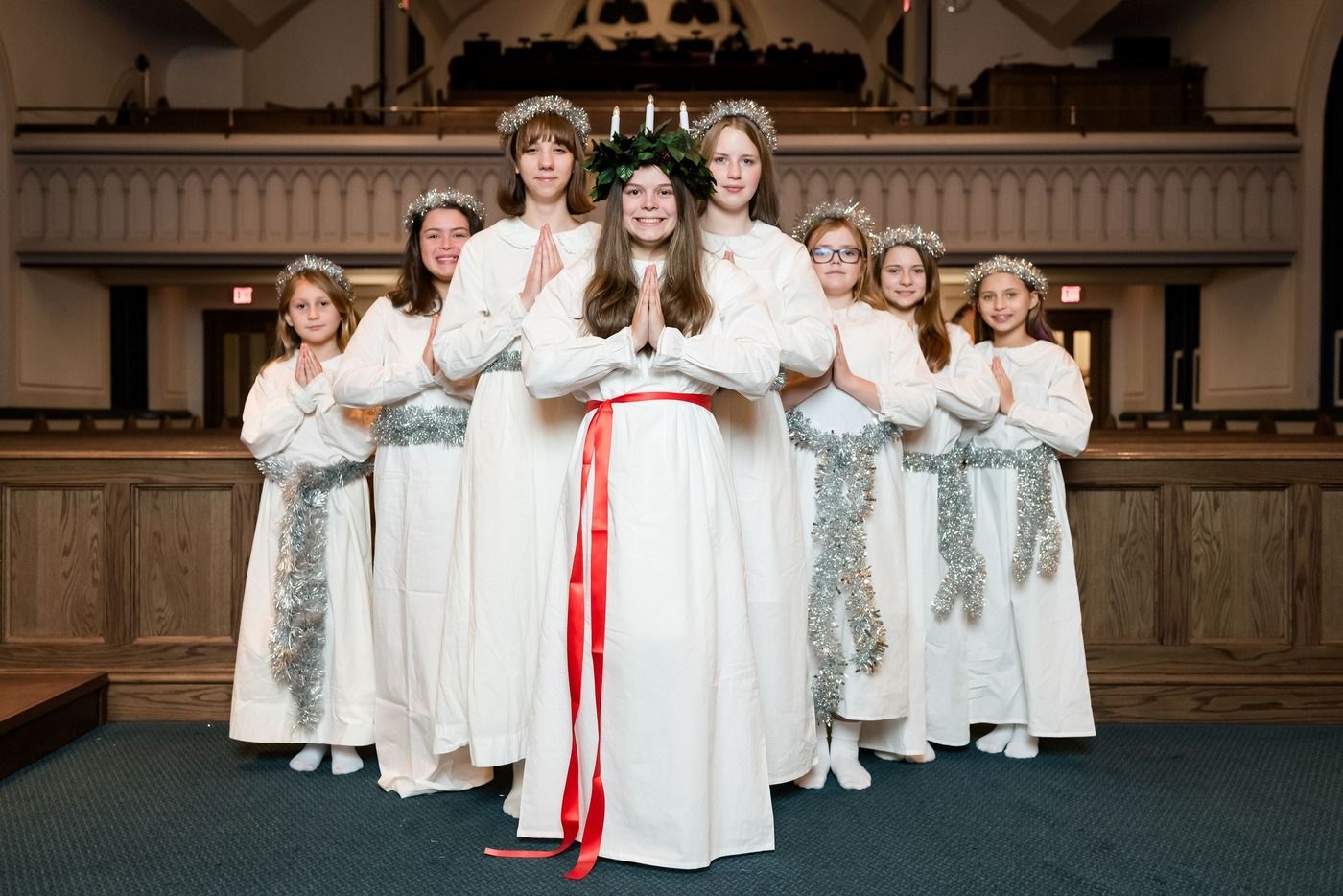
@Luciafestival/facebook.com
The day begins with processions led by Lucia, accompanied by star boys and gingerbread men, singing traditional songs like Sankta Lucia. Homes and streets glow with candlelight, and families indulge in saffron buns (lussekatter) and gingerbread cookies. The origins of the holiday blend Christian and pagan traditions, making it a fascinating cultural hybrid.
Gai Jatra (Cow Festival, Nepal)
Gai Jatra, Nepal’s Cow Festival, is a unique blend of solemnity and humor, a day when laughter and tears coexist. Celebrated in the Kathmandu Valley, the festival honors those who have passed away in the previous year. Families who have lost loved ones lead a cow—or a child dressed as one—through the streets, symbolizing the soul’s journey to the afterlife.
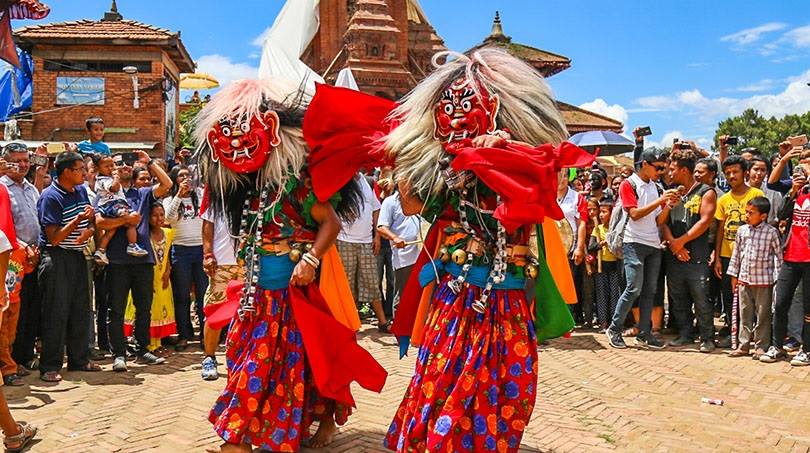
@trekkingteamgroup/facebook.com.
But Gai Jatra is also a time for satire and comedy, with participants donning elaborate costumes and performing skits that poke fun at society. This duality makes the festival deeply cathartic, allowing people to process grief while finding joy in communal celebration.
Mountain Day (Japan)
Mountain Day, celebrated on August 11th in Japan, is a tribute to the nation’s majestic peaks and their cultural significance. Established in 2016, it encourages people to escape the hustle and bustle of urban life and reconnect with nature. Many take the opportunity to hike, camp, or simply admire the beauty of mountains like Mount Fuji, a symbol of Japan’s natural heritage.
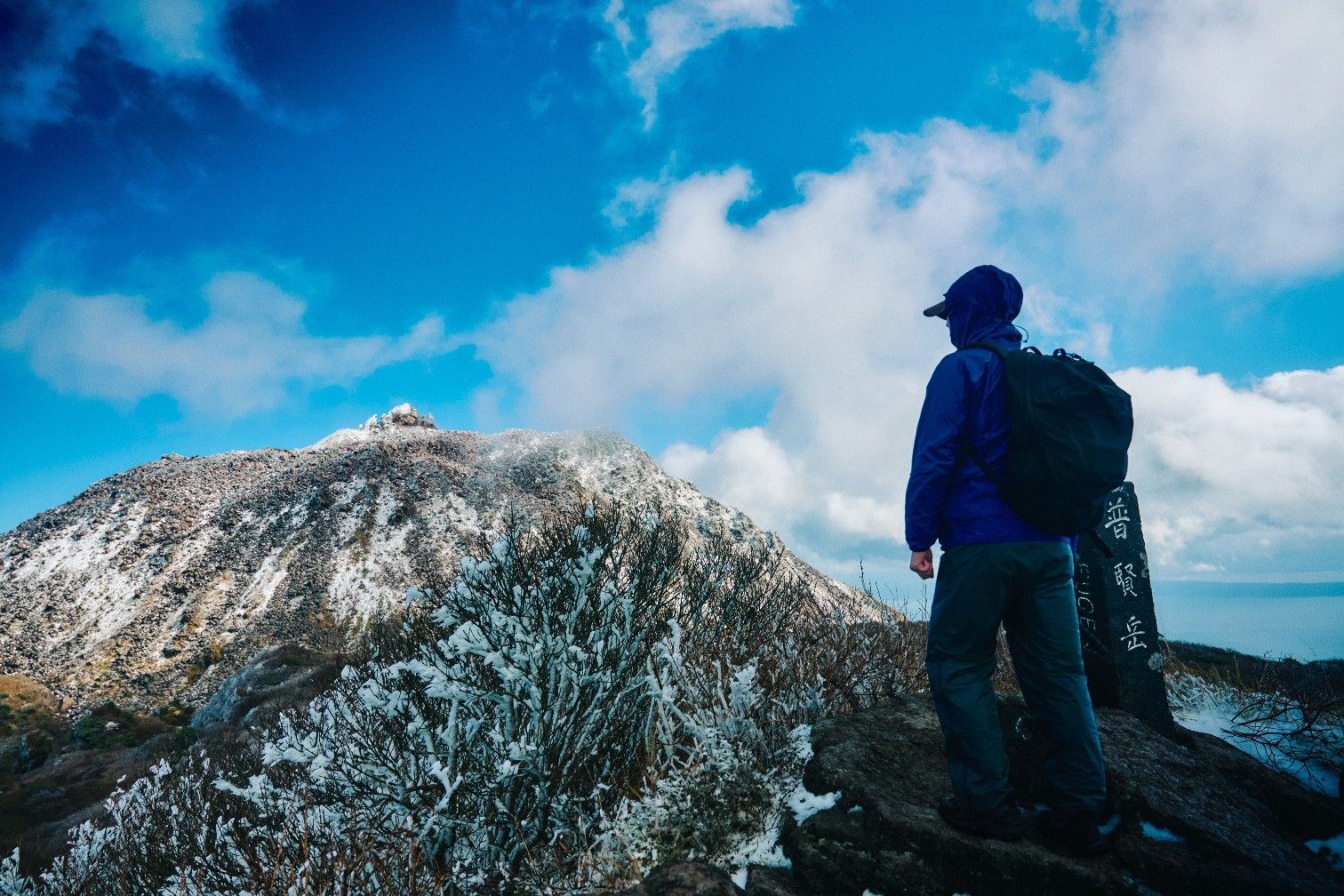
@NationalParksOfJapan/facebook.com
The holiday reflects the deep reverence Japanese culture holds for mountains, seen as sacred spaces and sources of inspiration. Mountain Day is not just about physical activity but also about mindfulness and appreciation for the environment. It’s a day to breathe in the crisp mountain air, reflect on life’s simplicity, and find peace in the grandeur of nature.
Krampusnacht (Austria)
In Austria, the night of December 5th brings a chilling twist to the holiday season with Krampusnacht. While Saint Nicholas rewards well-behaved children, his demonic counterpart, Krampus, roams the streets to punish the naughty.
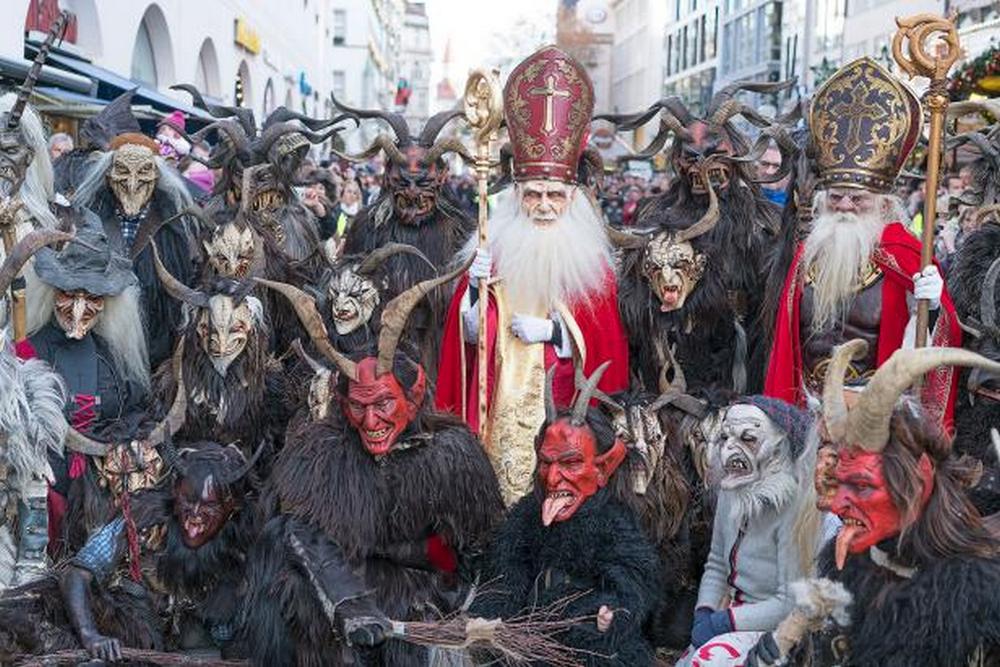
@OnlyInOgden/facebook.com
Clad in terrifying costumes adorned with horns, fur, and chains, Krampus performers parade through towns, growling and rattling their chains to the delight—and fear—of onlookers. The tradition, rooted in Alpine folklore, serves as a stark reminder of the consequences of misbehavior.
National Hugging Day (Germany)
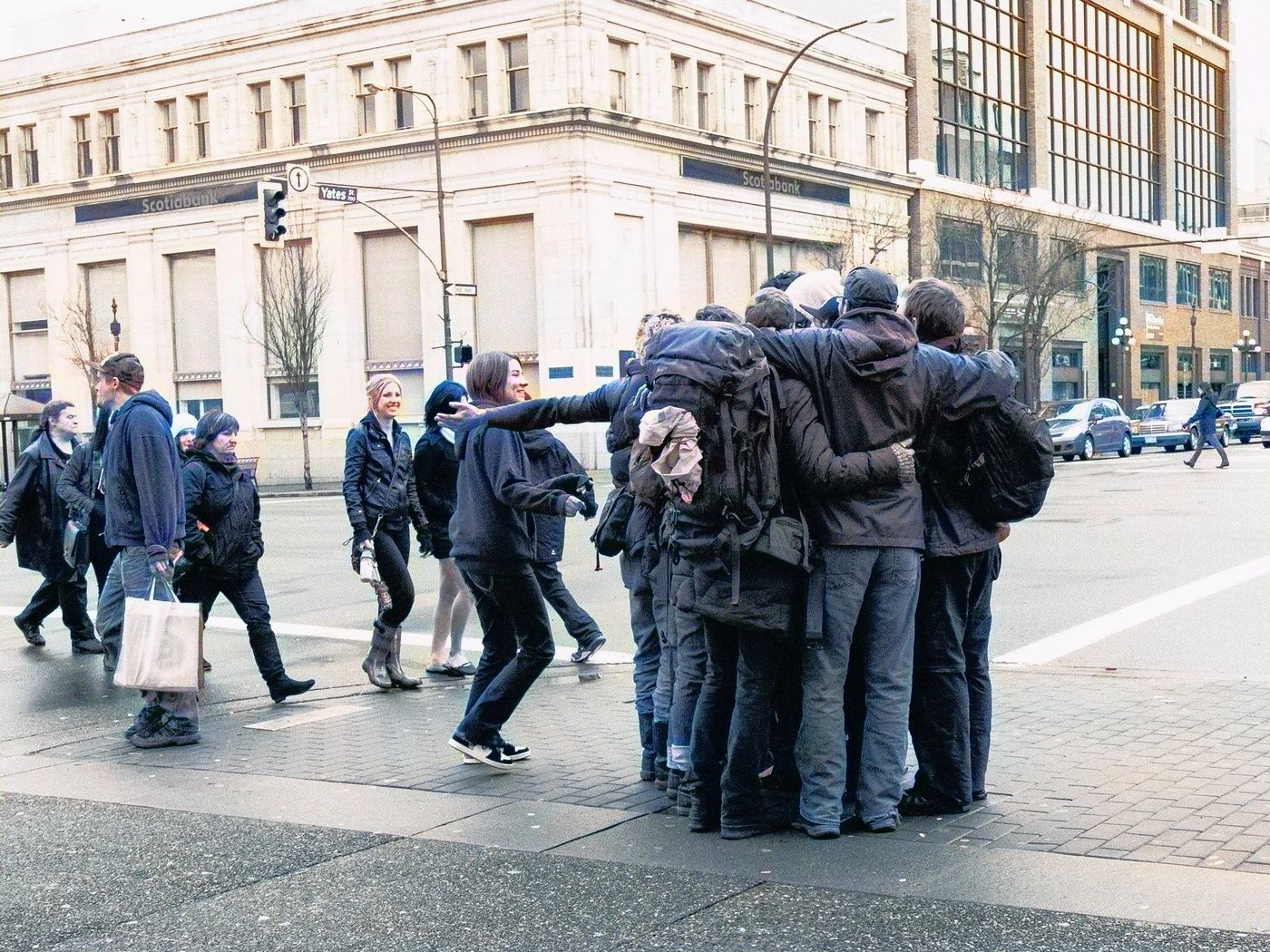
Imagine walking down the streets of Berlin or Munich on January 21 and seeing strangers embracing, friends laughing in each other’s arms, and families pulling one another close. National Hugging Day in Germany is a celebration of warmth in the midst of winter, a day when human connection takes center stage.
@jorislouwes/flickr.com
Psychologists emphasize the benefits—hugs reduce stress, boost happiness, and strengthen bonds. But here’s the twist: in Germany, where personal space is often respected, this day gently nudges people out of their comfort zones, reminding them of the power of touch.
Elders’ Day (South Korea)
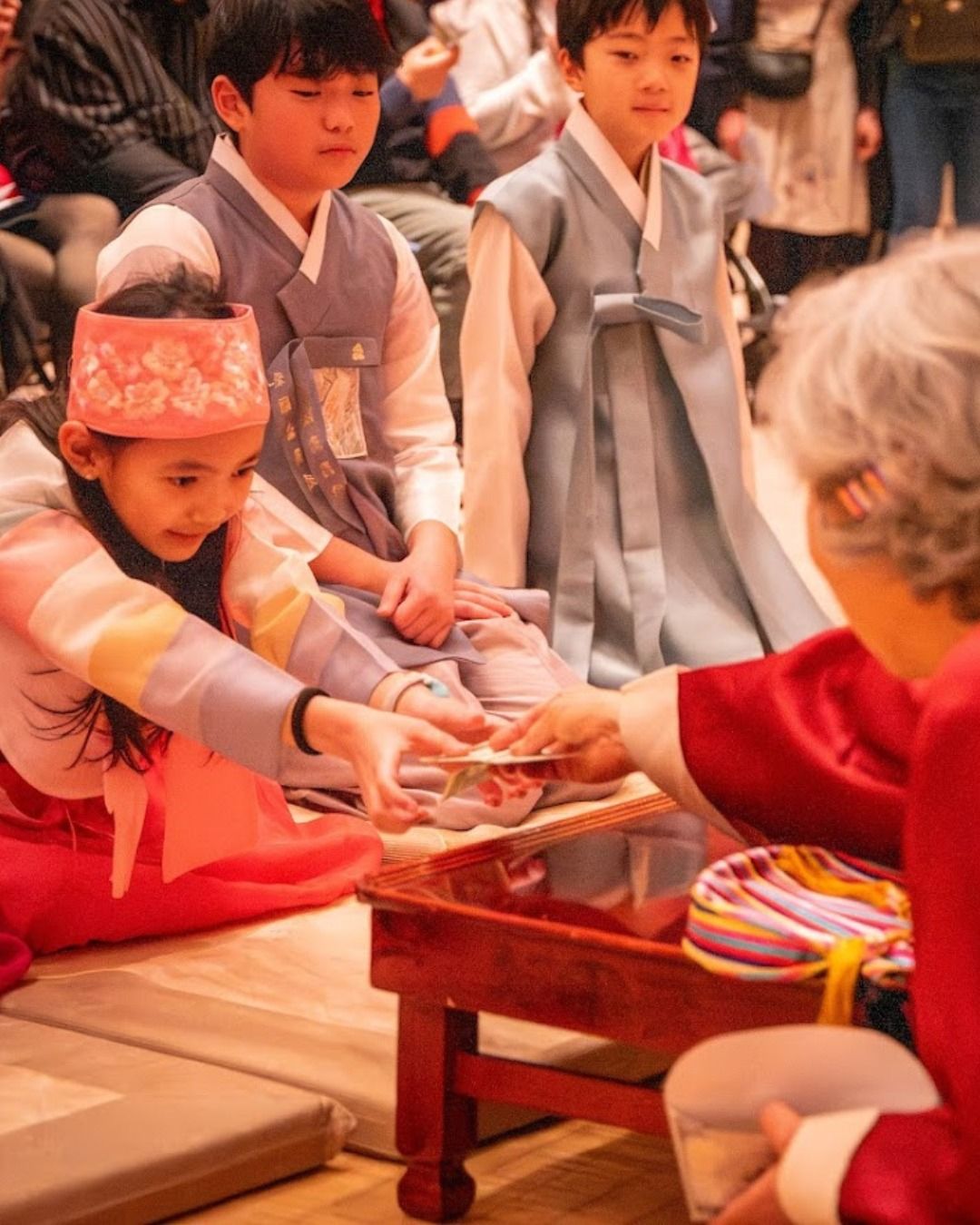
Elders’ Day, celebrated on October 2nd in South Korea, is a heartfelt tribute to the wisdom and contributions of senior citizens. Families gather to honor their elders with gifts, meals, and expressions of gratitude. Traditional games, performances, and ceremonies highlight the respect and reverence that Korean culture holds for its older generations.
@koreanculturalsocietyboston/facebook.com
It is a reaffirmation of the values of filial piety and intergenerational harmony. It’s a day to recognize the enduring legacy of those who have shaped society and to ensure that their stories and wisdom are passed down to future generations.
Baba Marta Day (Bulgaria)
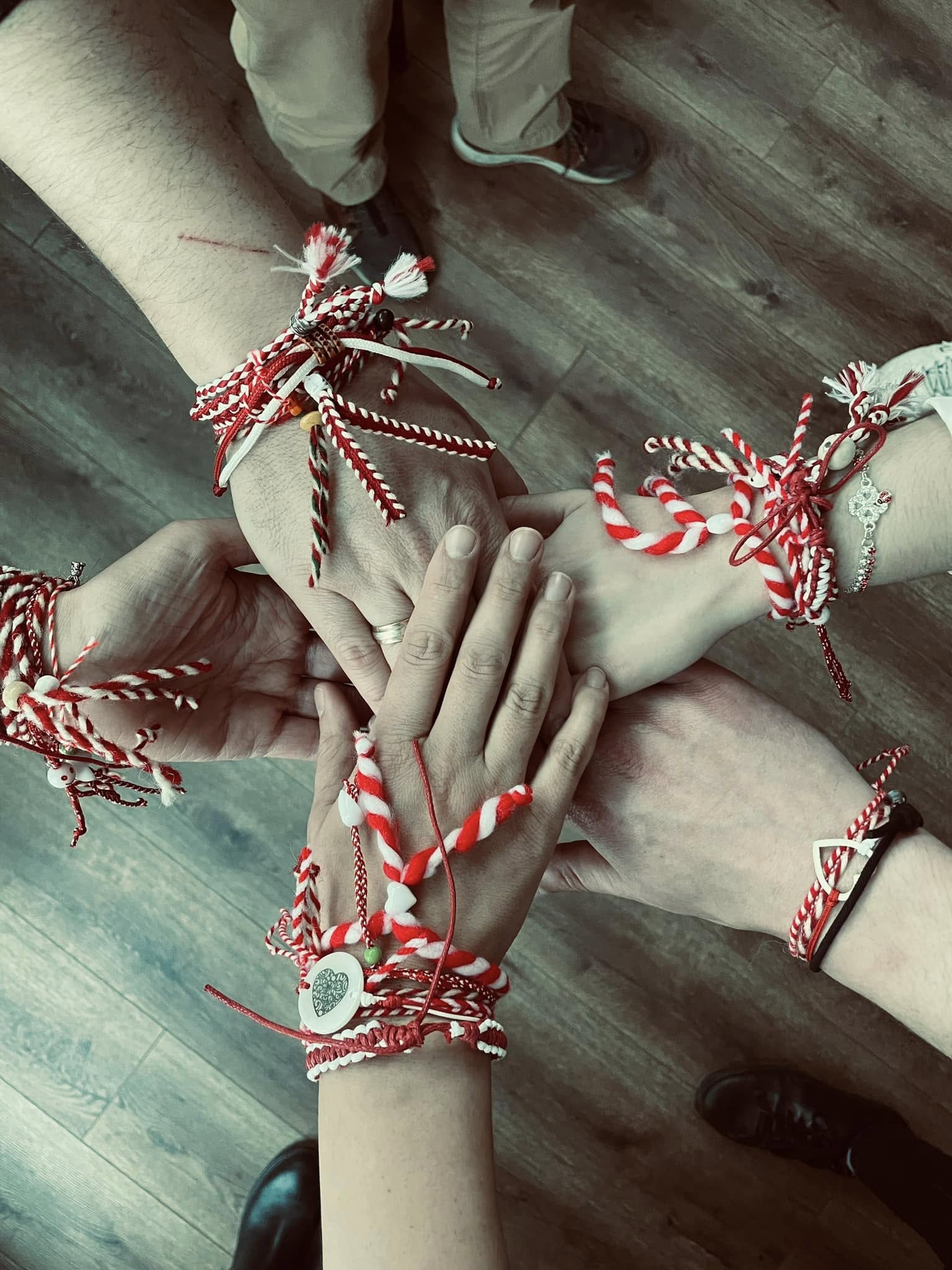
On March 1st, Bulgaria welcomes the arrival of spring with Baba Marta Day, a vibrant celebration of renewal and good health. The holiday centers around martenitsi, red-and-white bracelets or ornaments exchanged as symbols of luck and protection.
@EngViewSystems/facebook.com
According to tradition, the martenitsi are worn until the first signs of spring—a blooming tree or a stork’s return—are spotted. Baba Marta, a mythical figure associated with the changing seasons, is said to bring the end of winter’s chill.
Pi Approximation Day (Global)
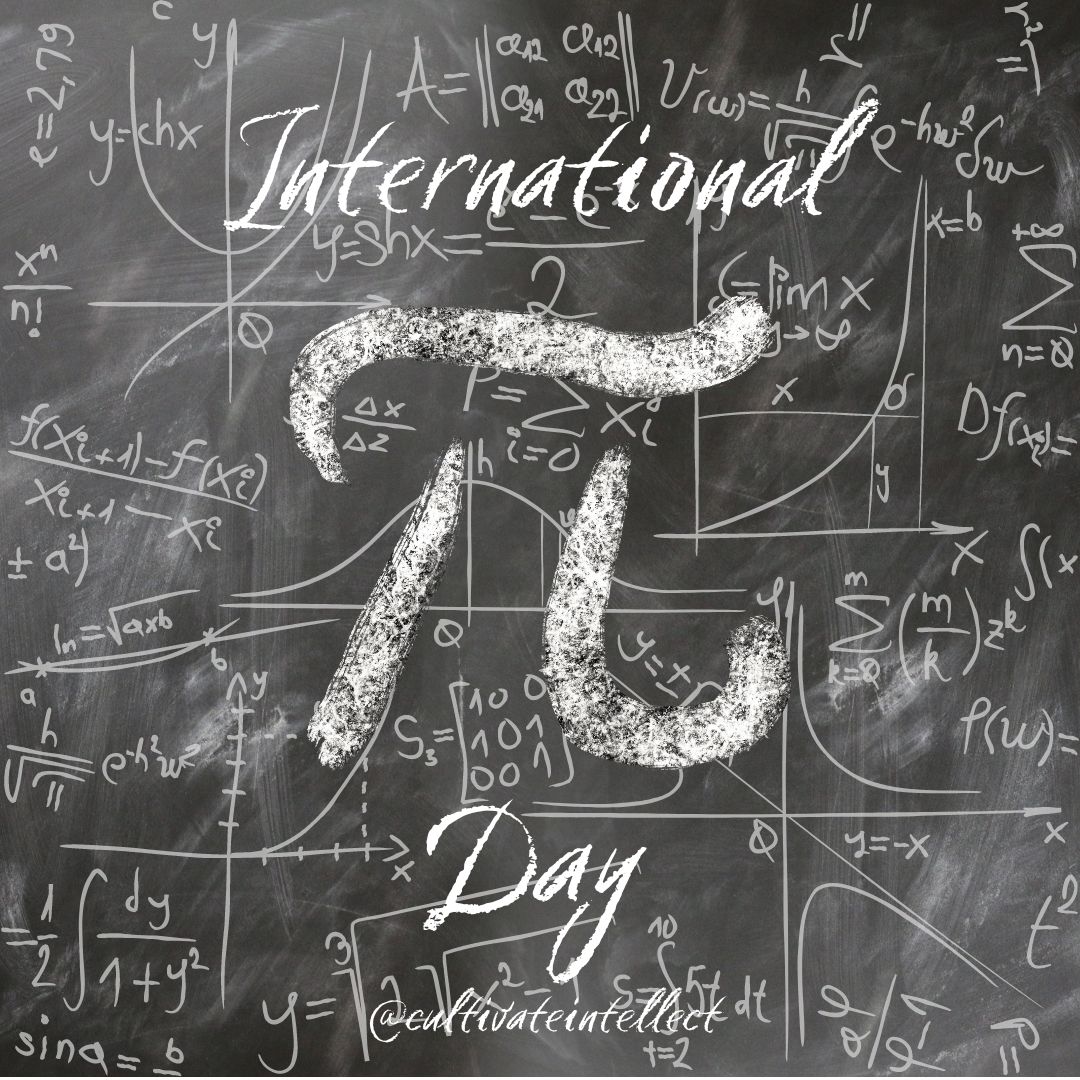
Imagine a world where a simple fraction holds the key to unlocking the secrets of circles. July 22nd, or 22/7, is a quirky nod to Pi Approximation Day. Forget elaborate parades; this is a celebration of intellectual curiosity. Math enthusiasts worldwide engage in playful approximations.
@cultivateintellect/facebook.com
They also bake pies with 22/7 designs or simply ponder the infinite nature of pi. This isn't about grand gestures but the quiet thrill of understanding a fundamental constant. It’s a day for the curious, a whispered ode to the elegance of mathematics.
Midsummer (Sweden, Finland)
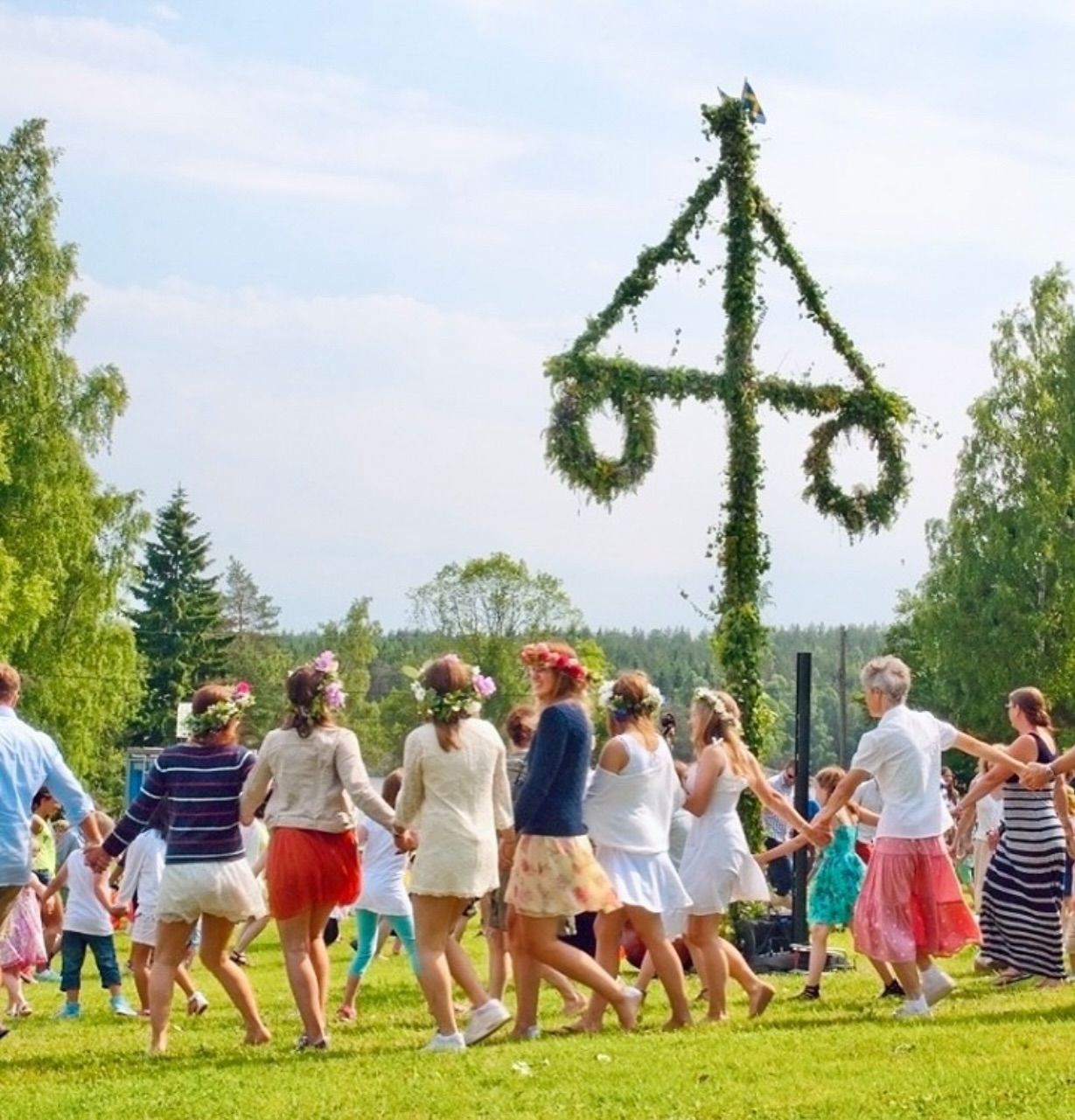
As the midnight sun kisses the Nordic landscape, Midsummer explodes in a riot of floral crowns and bonfires. This isn't just a party; it's a primal connection to the land. In Sweden and Finland, ancient rituals blend with modern revelry.
@scandikitchen/facebook.com
Maypoles, symbols of fertility, rise amidst dancing and folk songs. The air is thick with the scent of birch leaves and grilled herring. The fleeting intensity of the summer solstice is captured in every leaping flame, every shared song, and every moment of communal joy.
Carabao Festival (Philippines)
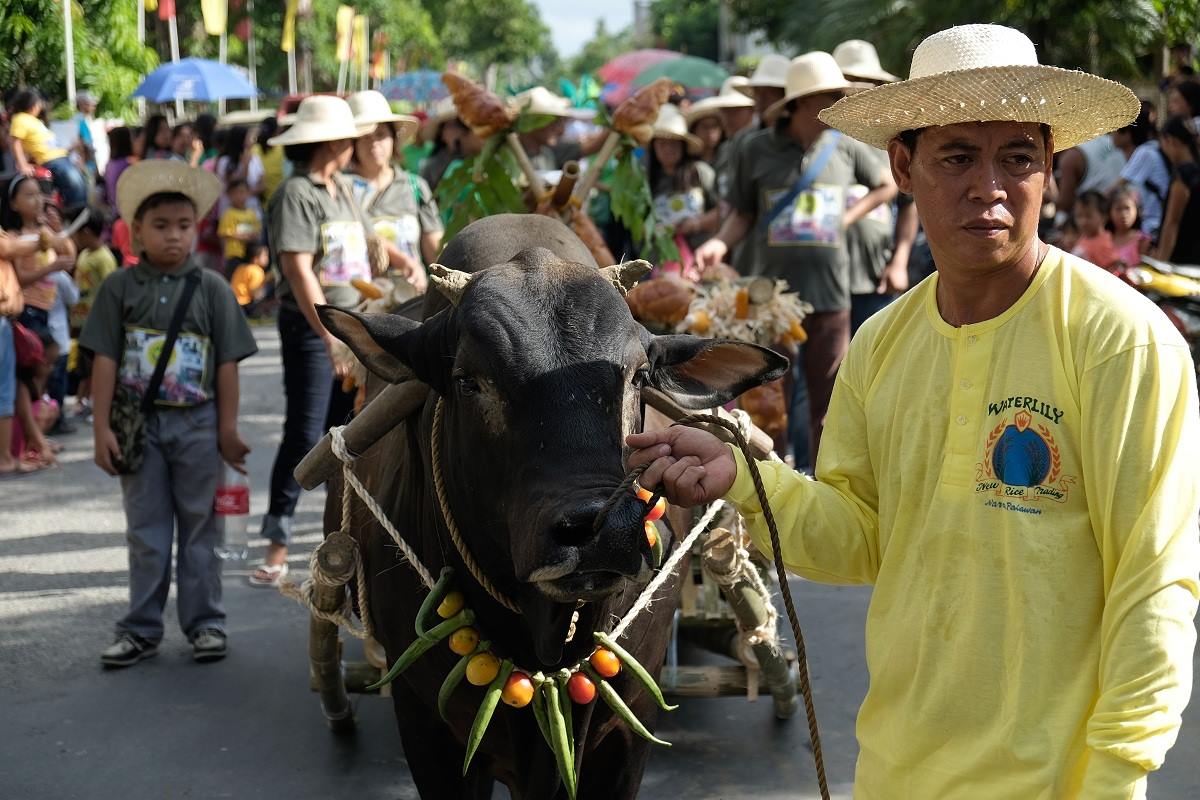
On March 30, in the Philippines, water buffalos, adorned with vibrant flowers and gleaming paint, parade through the streets. This is the main event of the Carabao Festival. The celebration includes carabao races where drivers balance precariously on wooden sleds, urging their animals to thunder across muddy fields.
@AKOrg/facebook.com
More skilled competitions showcase the buffalo's agricultural prowess—plowing contests where precision matters more than speed. A unique highlight is the "carabao painting competition," where artists transform the animals' hides into living canvases depicting rural scenes, mythology, or patriotic imagery.
Walpurgis Night
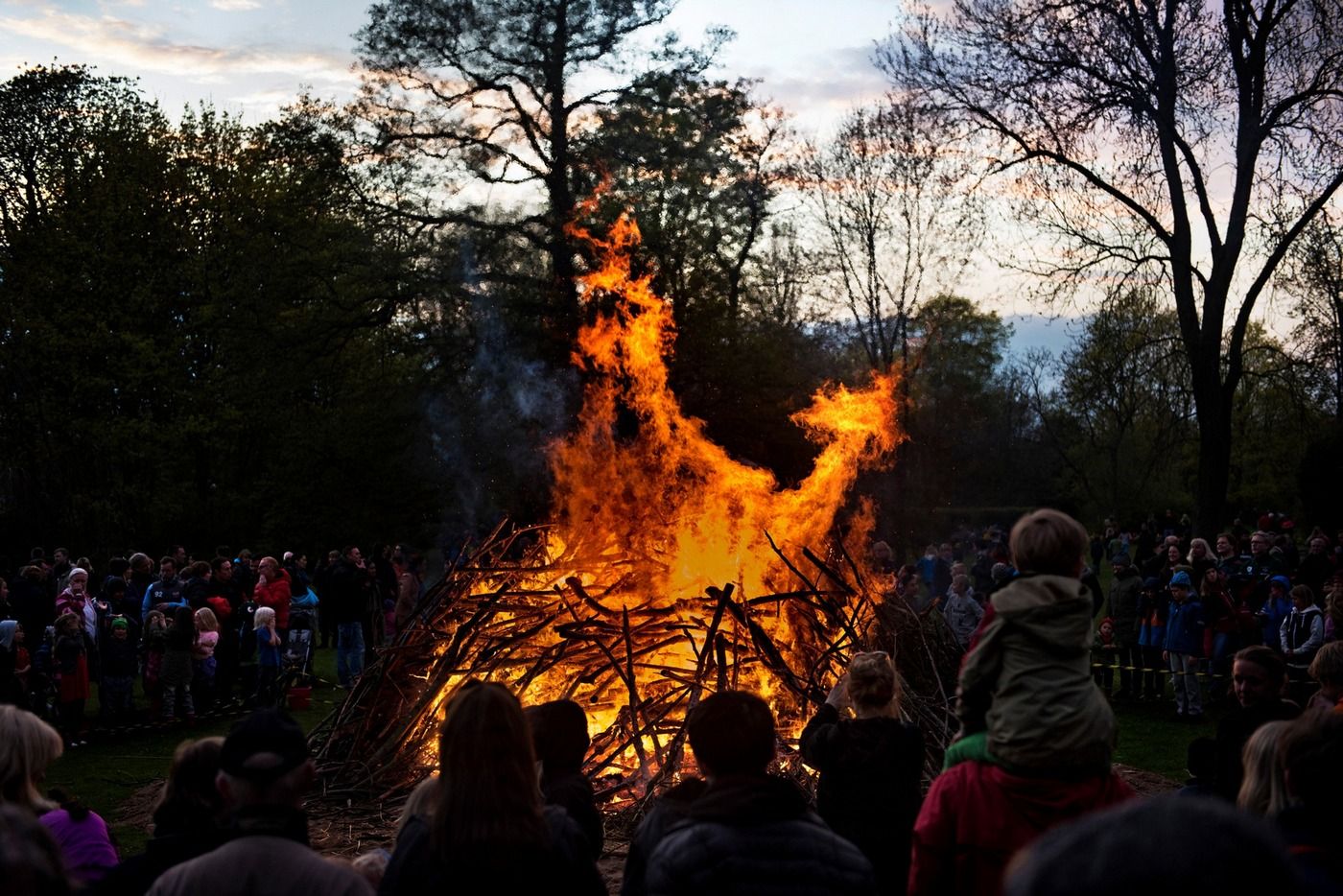
Walpurgis Night—Walpurgisnacht in German-speaking lands—marks the threshold between winter's final breath and summer's imminent awakening. Named for Saint Walpurga, an 8th-century abbess whose canonization coincidentally fell on May 1st, the celebration paradoxically blends Christian commemoration with far older pagan traditions.
@relocate2Sweden/facebook.com
In Sweden's Uppsala, university students don white caps at dawn, toasting with champagne as choirs sing traditional spring songs from library balconies. Meanwhile, in Germany's Harz Mountains—particularly on the legendary Brocken peak—thousands gather for bonfires meant to ward off the witches supposedly convening for their sabbath.
Singles' Day (China)
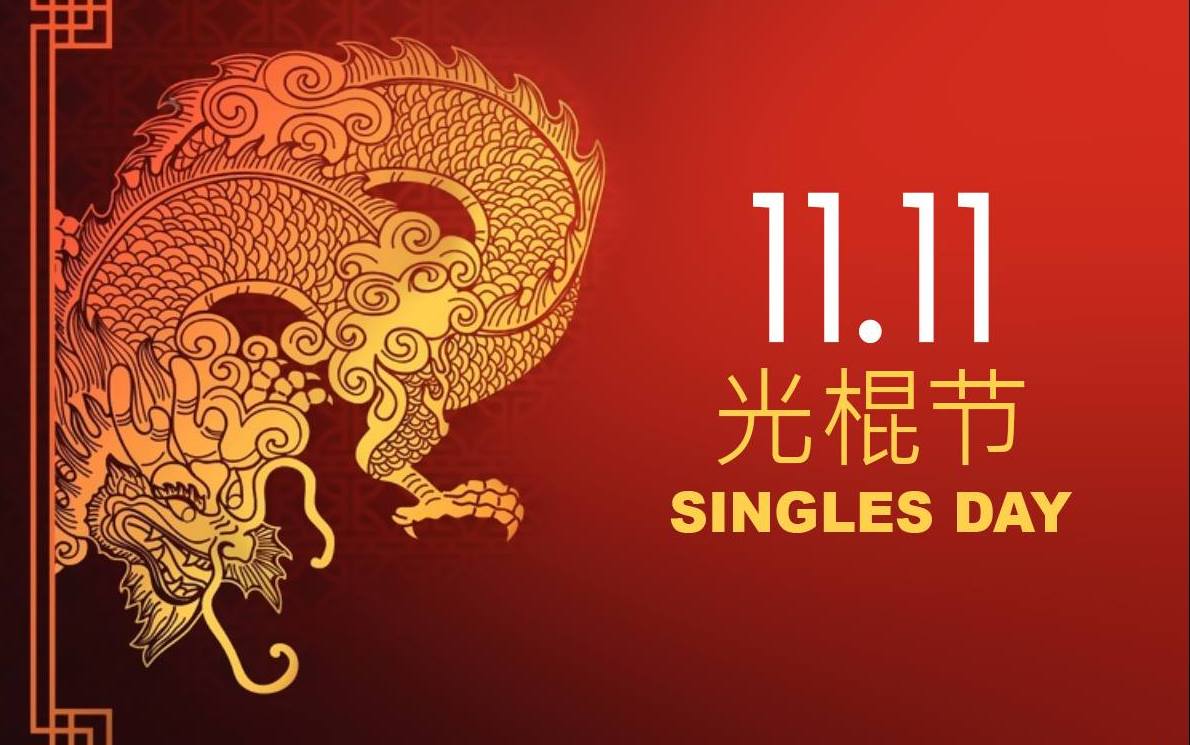
Four solitary ones stand side by side: 11/11. From this simple numerical pattern emerged China's most commercially successful non-traditional holiday—Singles' Day, or Guanggun. What began in 1993 as a playful anti-Valentine celebration among Nanjing University students has evolved into a global shopping phenomenon.
@BerlitzBolivia/facebook.com
The date's four ones symbolize uncoupled individuals, originally prompting bachelors to organize gatherings that combated the stigma of singlehood in a culture traditionally emphasizing marriage. In university dormitories, the holiday's early incarnation featured "bachelor parties" where single friends exchanged gifts like fried youtiao sticks (resembling the number 1).
Enkutatash (Ethiopia)
While the Western world marks September 11th with somber remembrance, Ethiopia erupts in joyous celebration. Enkutatash, which translates to "gift of jewels" in Amharic, marks the Ethiopian New Year. It occurs at summer's end when seasonal rains have transformed brown landscapes into lush, green expanses.
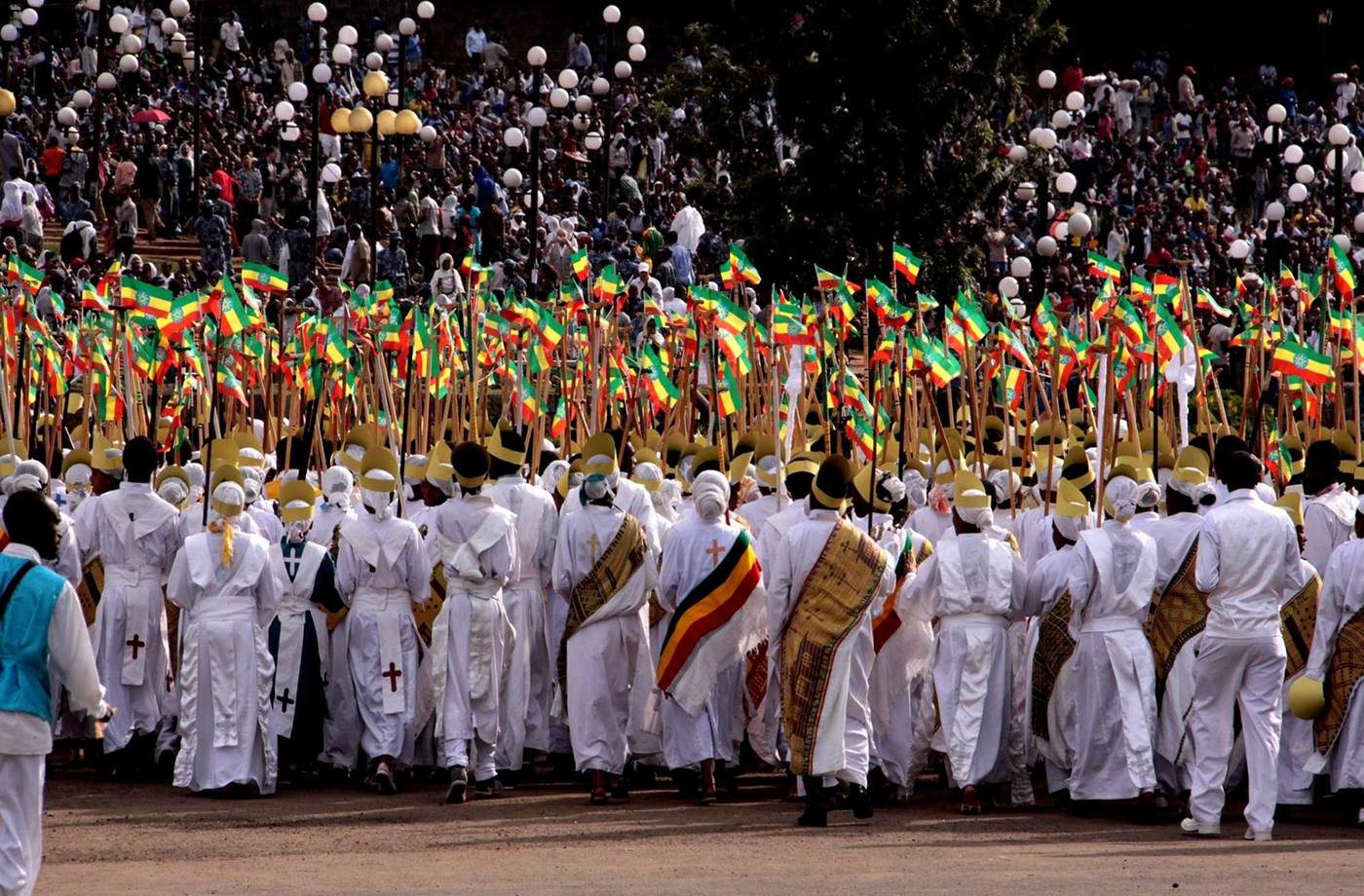
@Rastafariunion/facebook.com
Walking through Addis Ababa during Enkutatash feels like entering a parallel world where time operates differently. Ethiopia follows the Julian calendar—thirteen months, with twelve of thirty days each and a thirteenth of five or six days. This places their new year approximately seven years and eight months behind the Gregorian calendar, making 2024 only 2016 in the Ethiopian reckoning.
Veneration of the Relics of Saint Spyridon (Corfu, Greece)
Four times yearly, the narrow, winding streets of Corfu's Old Town transform into rivers of devotion. During special liturgies, Saint Spyridon's body processes through town in an ornate coffin. Why does an island venerate a Cypriot bishop centuries after his death? The answer lies in Corfu's turbulent history.
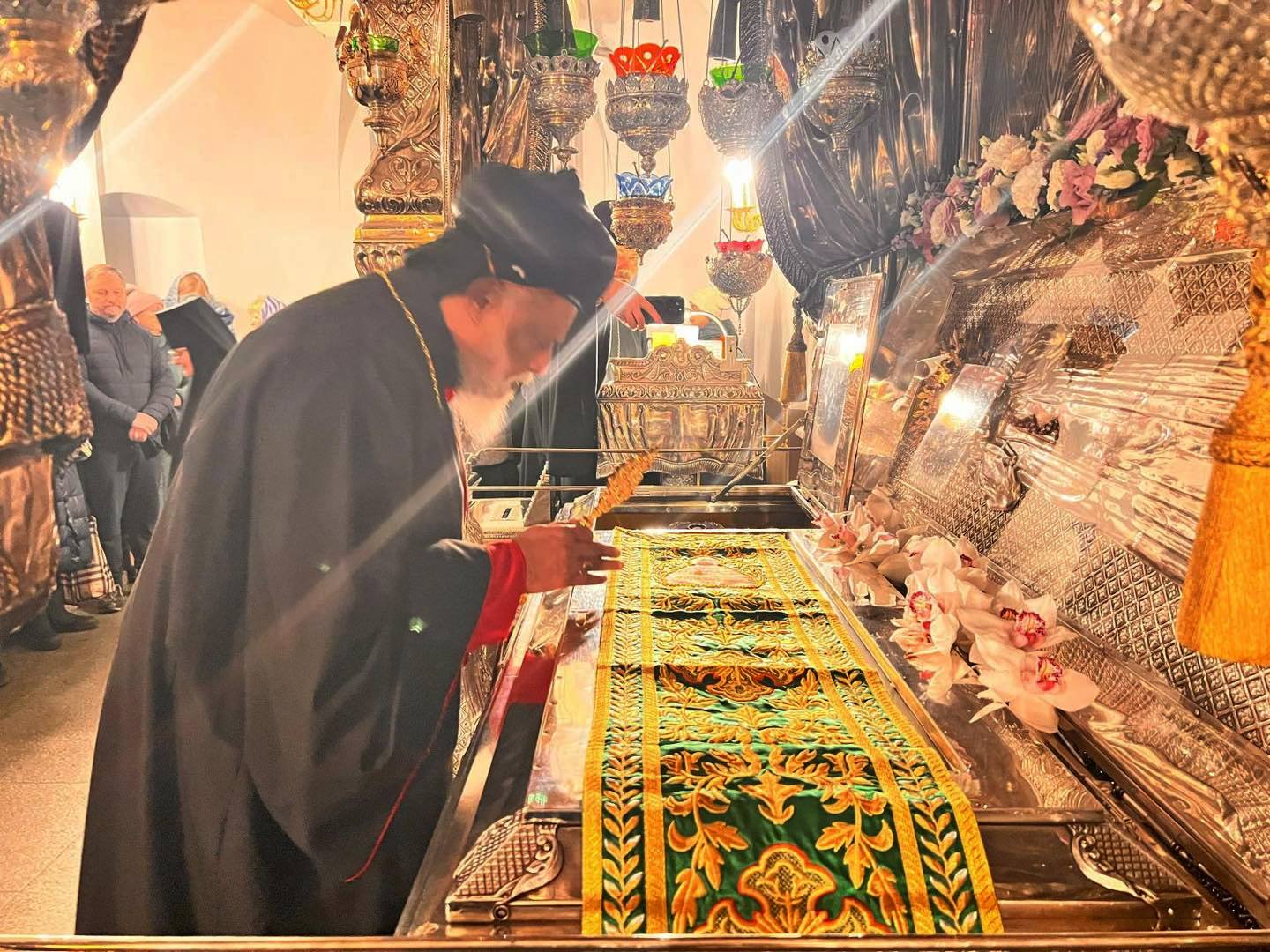
@tewahedomediacenterenglish/facebook.com
When Spyridon's relics arrived in 1456—brought from Constantinople as it fell to Ottoman forces—the island faced its own existential threats from Turkish invasions. Local tradition holds that Spyridon manifested physically during three separate sieges, terrifying enemy forces and saving Corfu from conquest.
Coming of Age Day (Japan)
Twenty years old. In Japan, this milestone transcends individual celebration, becoming instead a collective national acknowledgment of adulthood through Seijin-no-Hi, or Coming of Age Day. The tradition dates back to ancient Japan when boys aged 12-16 participated in genpuku ceremonies, receiving adult names and hairstyles. Girls underwent similar ceremonies called mogi around age 13.
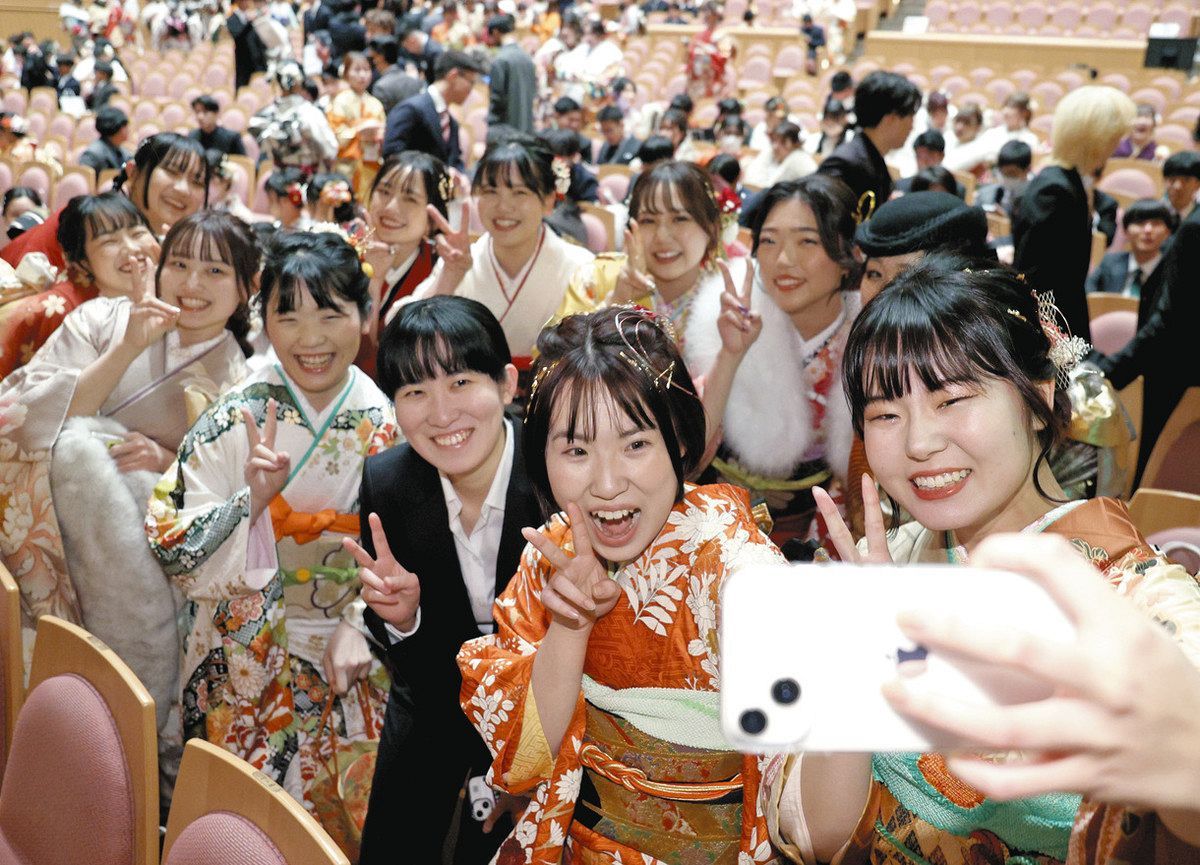
@nagoyaisnotboring/facebook.com
Recent years have seen declining participation as Japan's birth rate falls and youth attitudes toward tradition evolve. Some municipalities experiment with format changes to maintain relevance—incorporating modern music or shortening formal proceedings.
Nowruz (Persian New Year)
Nowruz, the Persian New Year, is celebrated for over three millennia. Meaning "New Day" in Persian, it transcends religious and national boundaries. From Albania to Afghanistan, from Kazakhstan to Kurdish communities worldwide, over 300 million people celebrate this UNESCO-recognized Intangible Cultural Heritage, making it one of humanity's most ancient continuously observed festivals.
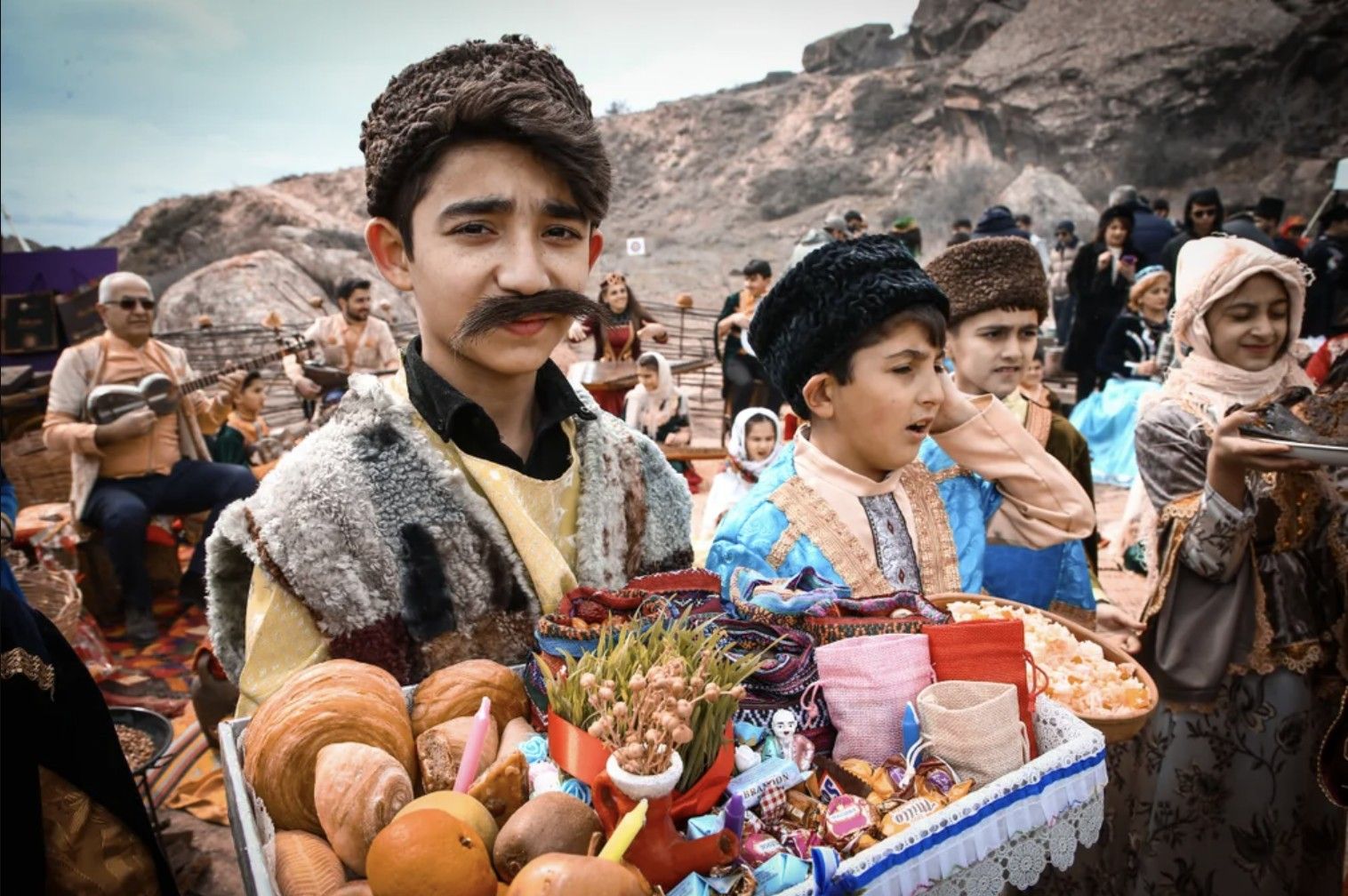
@MoonyMeanie/reddit.com
The exact moment of equinox—calculated down to the second by astronomers—is observed by families gathering around the haft-seen. When the precise moment arrives, often announced on national broadcasts, celebrations erupt with embraces, gift exchanges, and recitations of Hafez poetry. Festivities continue for thirteen days.
Imbolc (Ireland, Scotland)
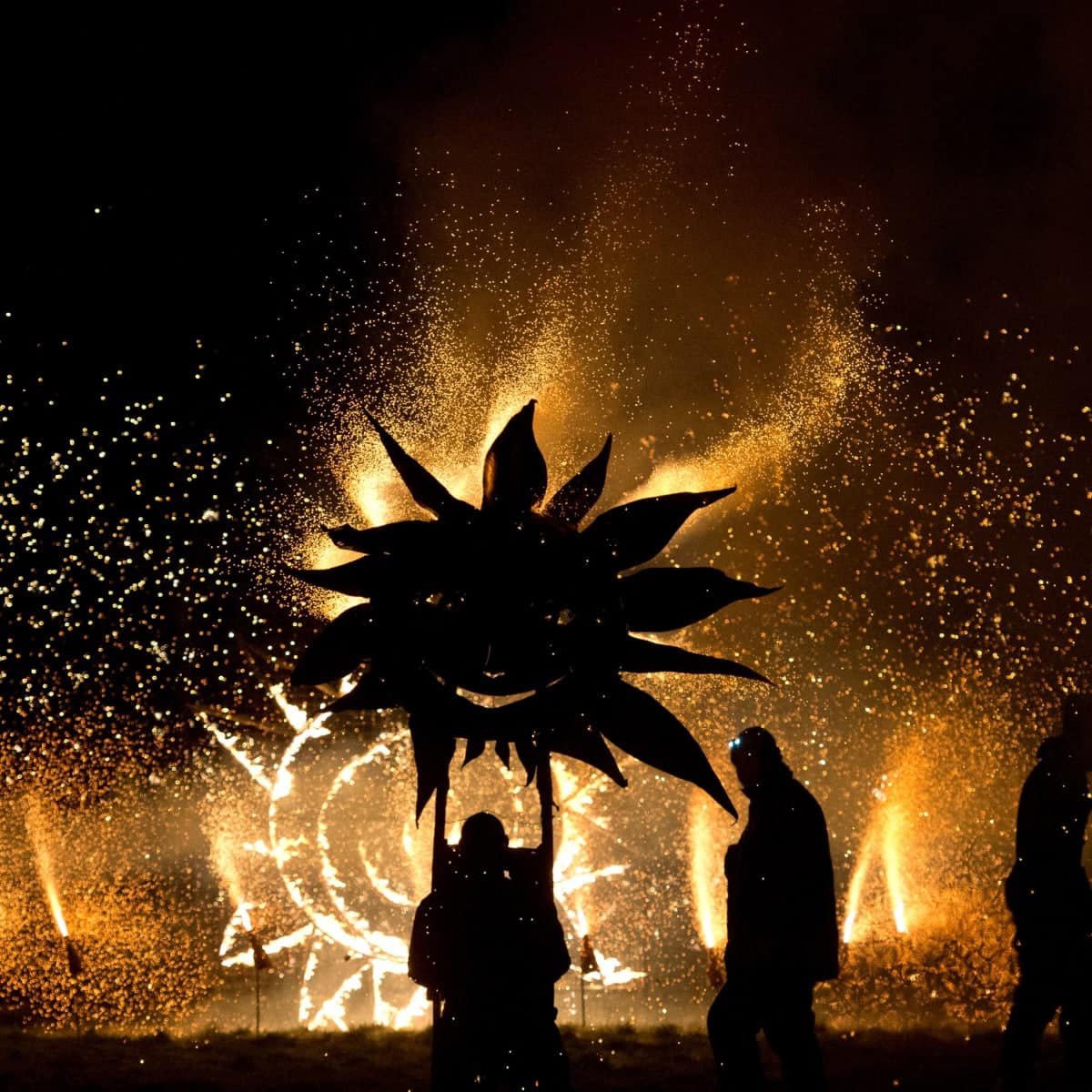
Between winter's grip and spring's first breath lies Imbolc, an ancient Celtic celebration marking nature's awakening. As February 1st arrives, practitioners honor Brigid, the goddess of poetry, healing, and smithcraft, through rituals that have survived millennia.
@ladysnakeuk/facebook.com
The lighting of candles and hearth fires symbolizes the returning sun, while the preparation of special foods honors the lactation of ewes, a sign of the coming spring. Water plays a crucial role in Imbolc traditions. Many visit holy wells, leaving coins or colored ribbons as offerings. The morning dew on Imbolc is believed to have healing properties, collected by some for use throughout the year.
Loy Krathong (Thailand)
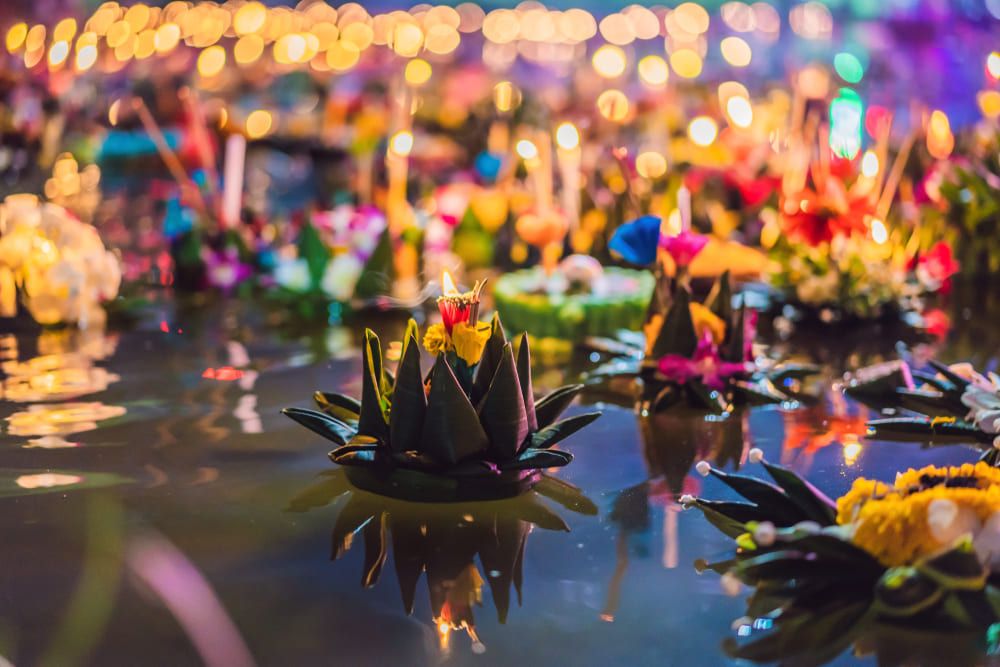
The full moon of the twelfth lunar month transforms Thailand's waterways into rivers of light during Loy Krathong. As darkness falls, thousands of handcrafted krathongs—delicate floating offerings made from banana leaves, flowers, candles, and incense—are released onto water surfaces across the country.
@hiltongardeninnphuketbangtao/facebook.com
"Loy" translates to float, while "krathong" refers to the lotus-shaped vessels. Each krathong carries away not just light but also the spiritual weight of its creator. Thais believe that by floating these offerings, they pay respect to the water goddess Phra Mae Khongkha while symbolically releasing anger, grudges, and misfortunes accumulated throughout the year.
Arbor Day (Brazil)
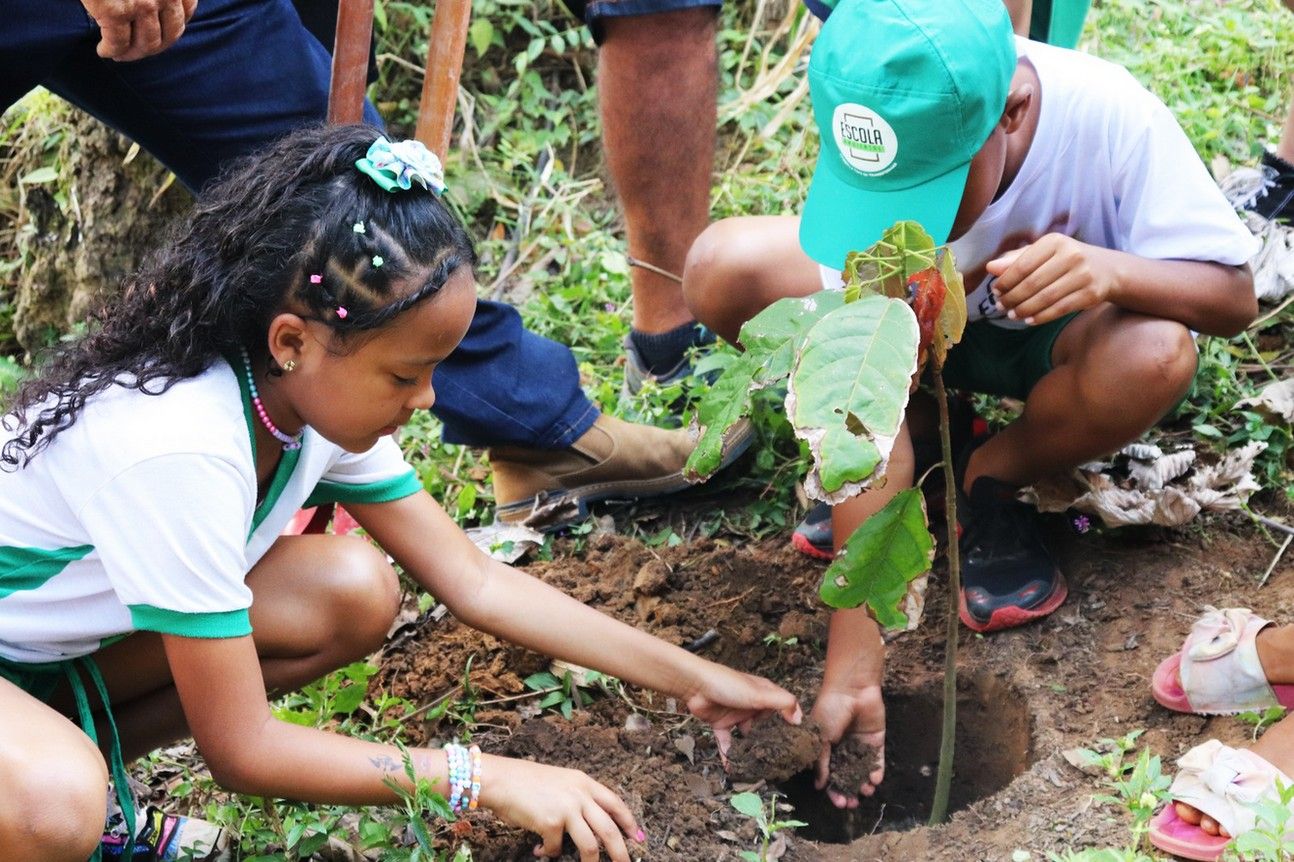
Beneath the vast canopy of the Amazon, Brazil celebrates Dia da Arvore with a fervor that echoes through schoolyards, public squares, and conservation areas nationwide. Unlike many holidays centered around feasting or gift-giving, this September 21st observance revolves around a single act: planting trees.
@jicapreng/facebook.com
Founded in 1965 during a period of increasing concern about deforestation, Brazilian Arbor Day coincides with the beginning of spring in the Southern Hemisphere—a perfect time for new plantings to take root. The timing is intentional and optimistic, emphasizing rebirth and future prosperity.
Omisoka (Japan)
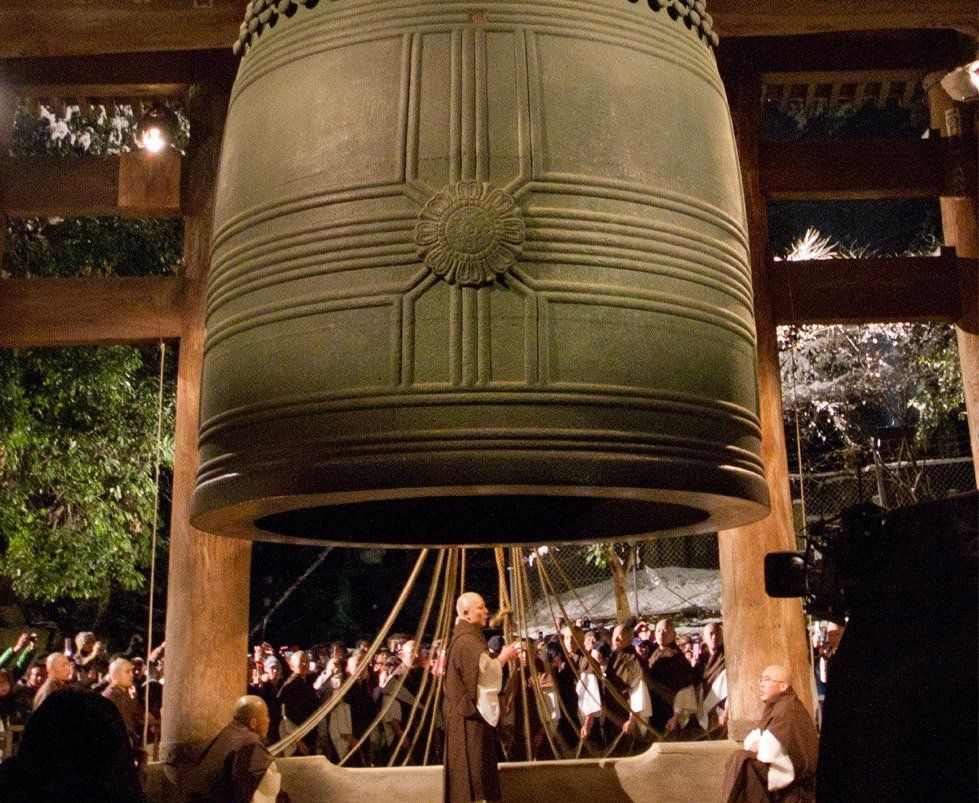
The final hours of the year in Japan are measured not just by clocks but by the rhythmic striking of temple bells. Omisoka, Japan's New Year's Eve, transforms the normally reserved nation into a flurry of activity as families engage in a national ritual of renewal. The day begins with "Osoji"—the great cleaning. Households scrub away the physical and metaphorical dust of the passing year.
@AmbasciataGiapponeItalia/facebook.com
As night approaches, the air fills with the resonant sound of temple bells ringing exactly 108 times—a ritual known as "Joya no Kane." Each toll represents one of the 108 earthly desires that cause human suffering, according to Buddhist belief. With each ring, participants release another attachment, another regret.
Day of the Dead (Mexico)
Death wears a different face in Mexico. Far from the somber black-draped mourning of many cultures, Día de los Muertos erupts in a kaleidoscope of marigold petals, sugar skulls, and candlelight each November 1-2. For two days, the veil between worlds thins. Families create elaborate ofrendas (altars) in homes and cemeteries.
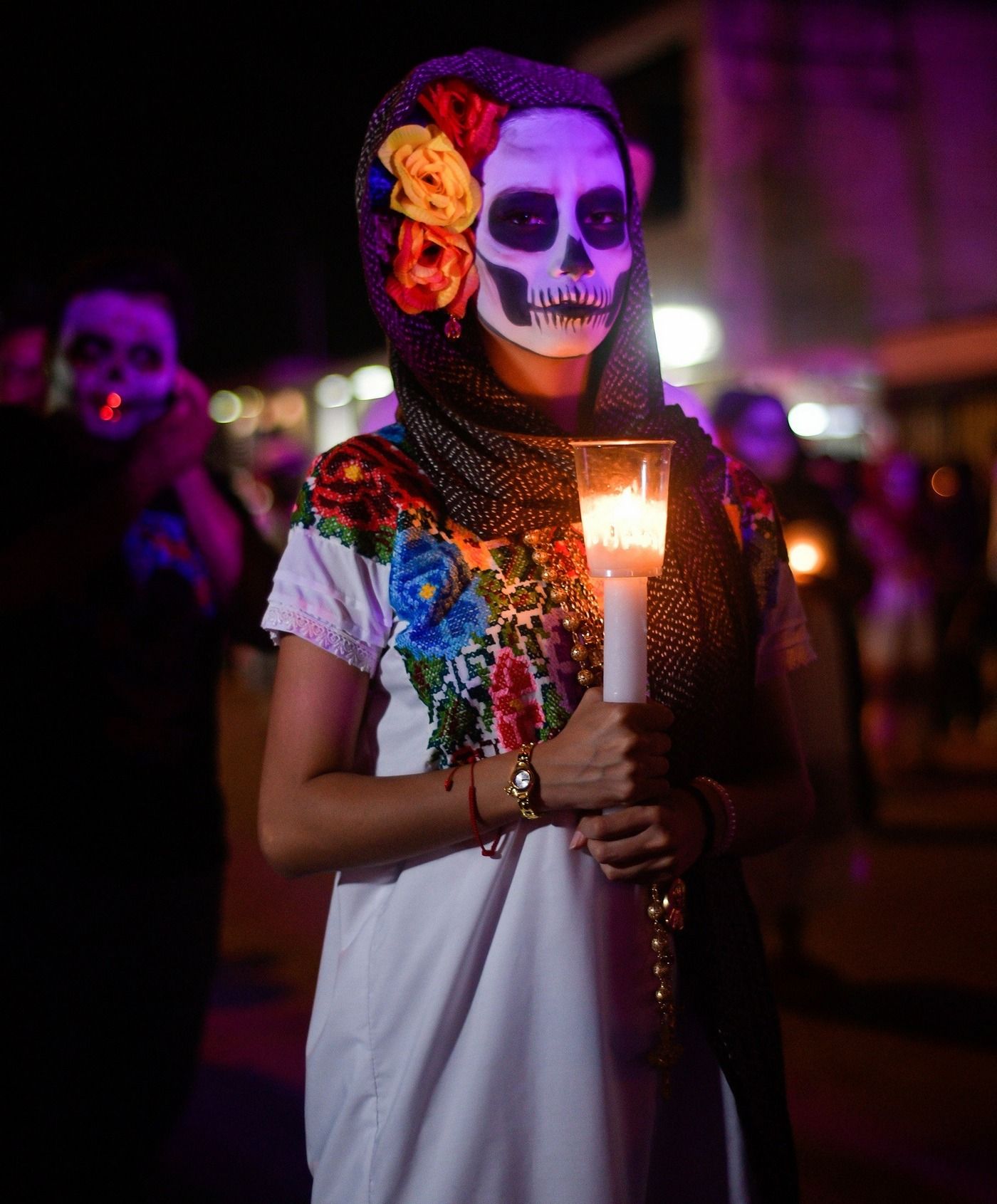
@dw.travel/facebook.com
The origins of this tradition blend pre-Hispanic ritual with Catholic observance. Aztec festivals honoring Mictecacihuatl, the Lady of the Dead, merged with All Saints' and All Souls' Days to create a uniquely Mexican celebration. Children who died are honored on November 1st (Día de los Angelitos), while adults are welcomed on November 2nd.
Setsubun (Japan)
"Demons out! Luck in!" These shouts echo through Japanese homes on February 3rd as family members fling roasted soybeans at doorways, windows, and sometimes at a family member wearing a comically frightening oni (demon) mask. Setsubun marks the changing of seasons in Japan's old lunar calendar—specifically the transition from winter to spring.
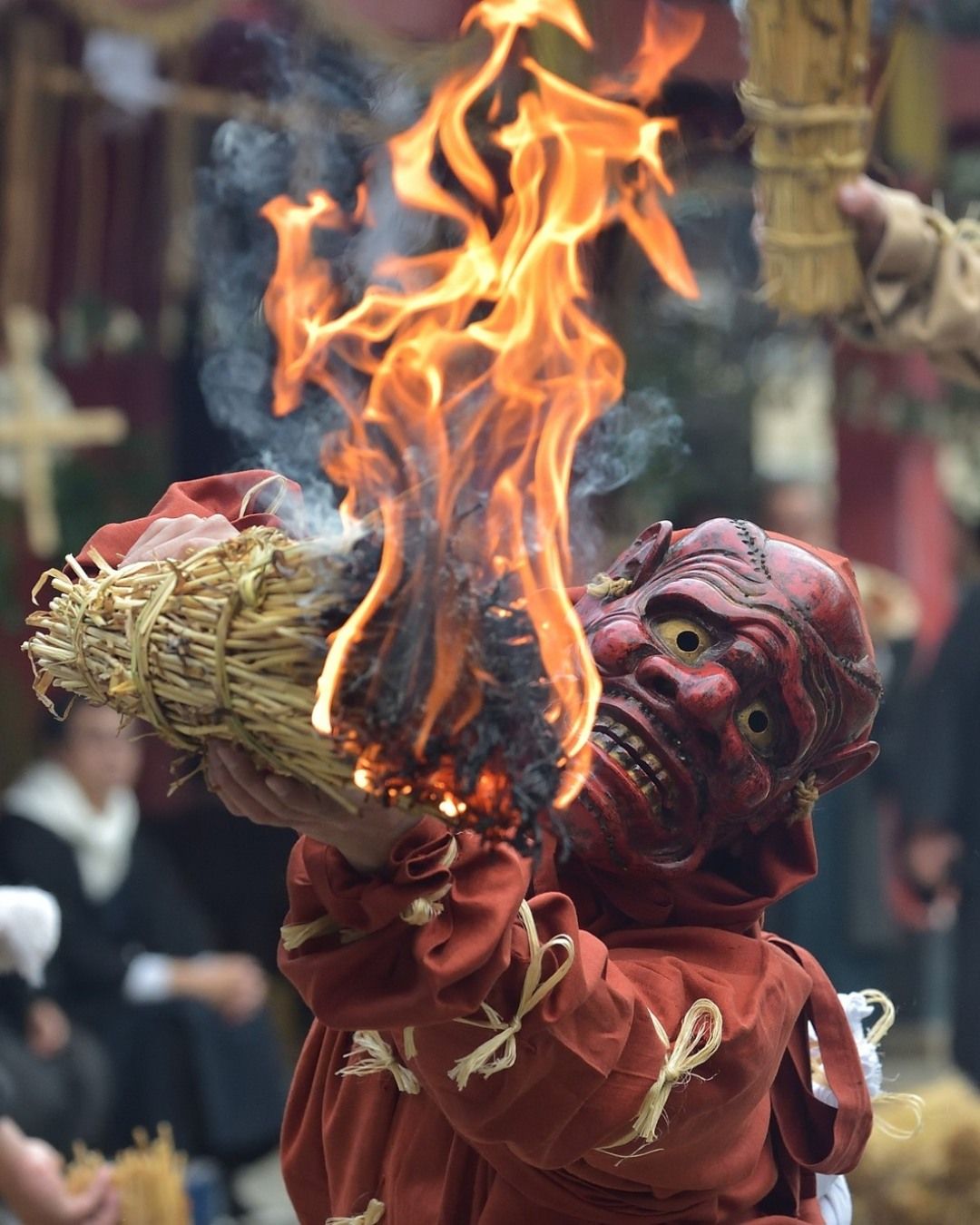
@setamono/facebook.com
The bean-throwing ritual, called mamemaki, symbolically drives away evil spirits that might bring illness or misfortune in the coming year. After the bean-throwing concludes, participants traditionally eat one roasted soybean for each year of their age, plus one more for good luck in the coming year.
Sechselauten (Switzerland)
Sechselauten is a traditional spring festival celebrated in Switzerland. In Zurich's central square, as spring firmly establishes itself, a curious ritual unfolds. At precisely 6:00 pm, a cotton-stuffed snowman figure called the Boogg—perched atop a massive pyre of wood—meets its fiery fate.
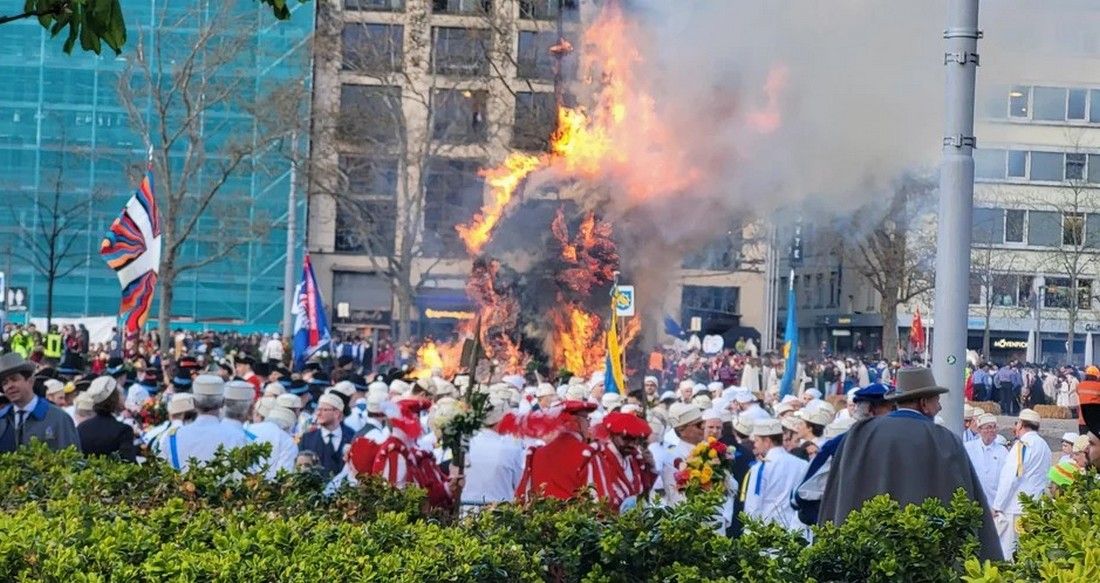
@masterlee0423/reddit.com
The premise is delightfully straightforward: the quicker the Boogg's head explodes, the warmer and more pleasant the coming summer will be. A rapid explosion (under 10 minutes) promises glorious sunshine; a prolonged burn suggests a wet, cool season ahead.
Seollal (Korea)
On the first day of the lunar calendar, Koreans celebrate their most significant holiday — Seollal. In Korean tradition, everyone grows one year older collectively on Seollal, not on individual birthdays. Highways jam as millions journey to ancestral hometowns, carrying gifts packaged in traditional bojagi cloth.
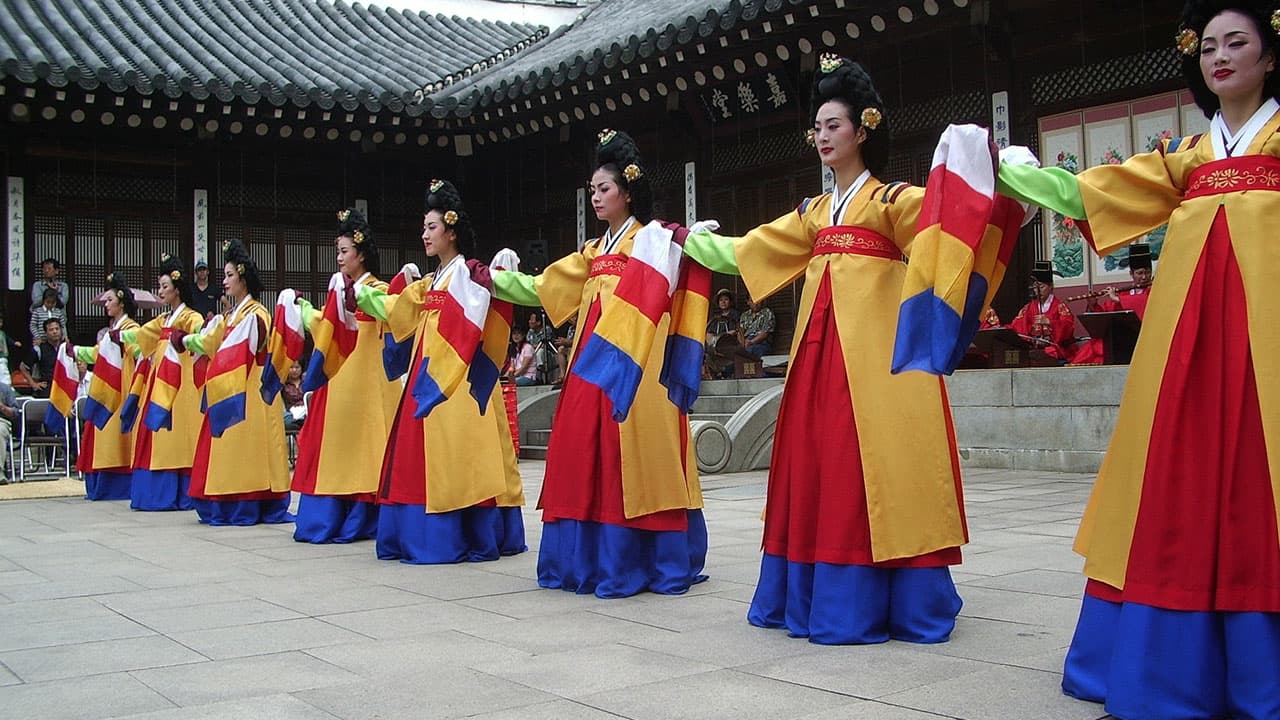
@Seollal 2025 in South Korea/astrosage.com
The reunions are jubilant but purposeful—for at the heart of Seollal lies charye, the ancestral rite. Before family members eat, they arrange meticulously prepared dishes on a ceremonial table facing the ancestors' memorial tablets. Together, they perform deep bows (sebae), honoring those whose sacrifices made their present lives possible.
National Gaucho Day (Argentina)
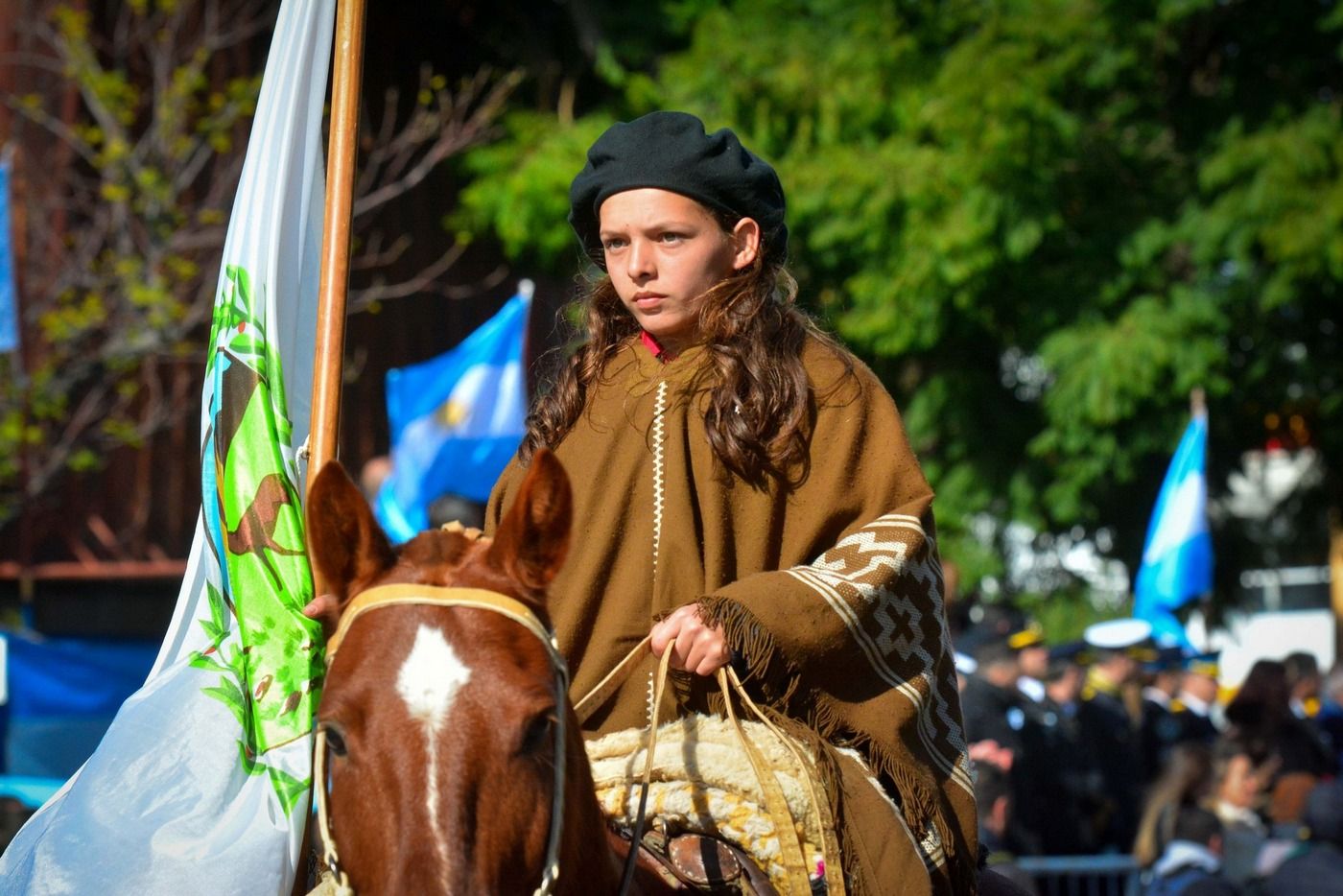
On November 10th, Argentina celebrates Dia Nacional del Gaucho, honoring not just a historical occupation but the embodiment of their national character. The date commemorates the 1872 publication of "Martin Fierro," José Hernández's epic poem chronicling gaucho life and struggles.
@gauchodayarg/facebook.com
San Antonio de Areco, a town 113 kilometers from Buenos Aires, hosts the largest celebration. For an entire week, the Festival of Tradition transforms this colonial settlement into gaucho central. Skilled riders demonstrate their mastery in sortija races, attempting to spear a small ring hanging from a crossbar while galloping at full speed.
Youth Day (China)
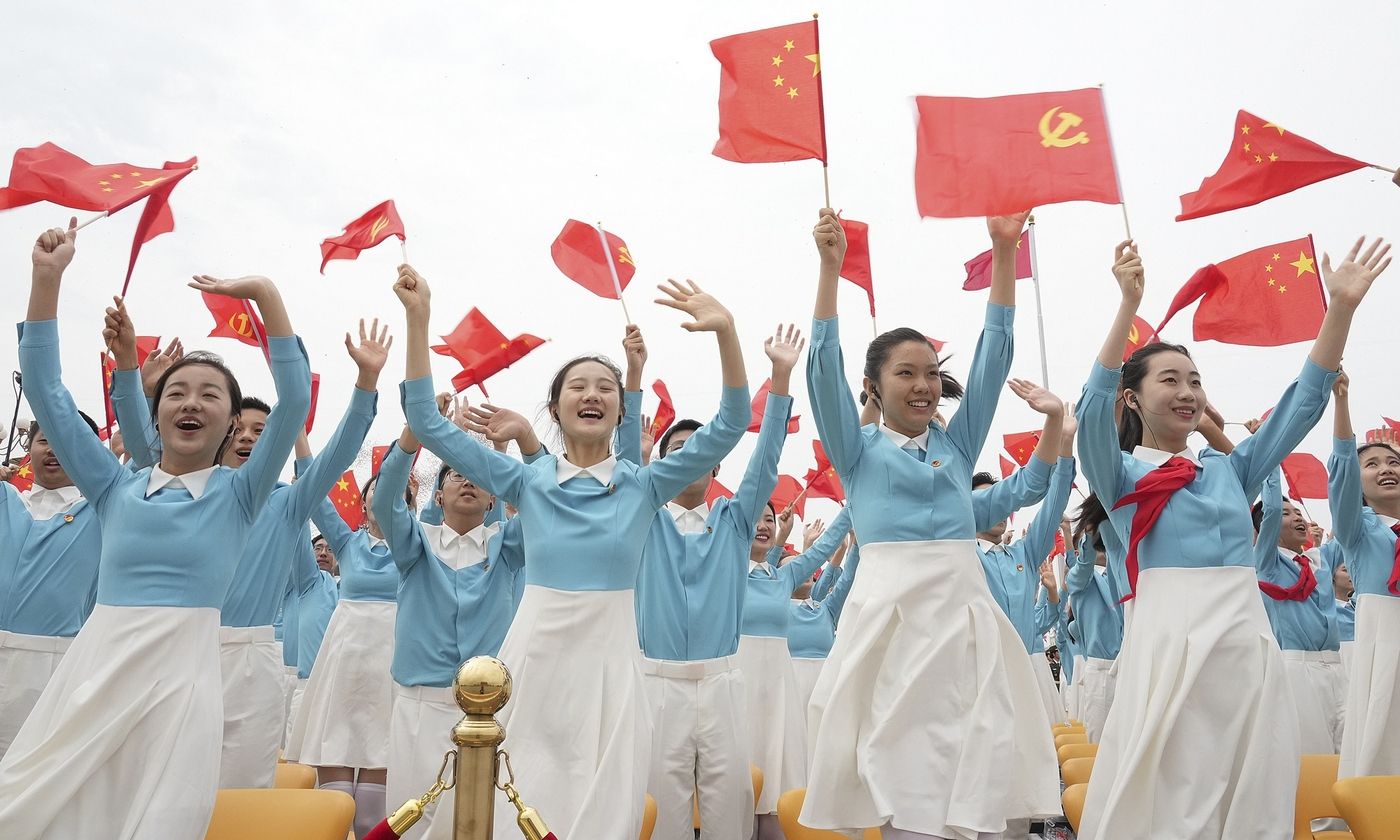
Ninety-seven years ago, on a spring day in Beijing, student voices rose in what would become known as the watershed of modern Chinese history—the May Fourth Movement. Today, that revolutionary spirit lives on in China's Youth Day, a celebration that transforms university campuses into forums of patriotic expression and future ambition.
@ChenMingjian_CN/x.com
China's Youth Day intertwines historical remembrance with forward-looking nationalism. The 1919 student protests it commemorates erupted when the Treaty of Versailles transferred German concessions in Shandong Province to Japan rather than returning them to Chinese sovereignty—a national humiliation that ignited young voices.
National Sleepy Head Day (Finland)
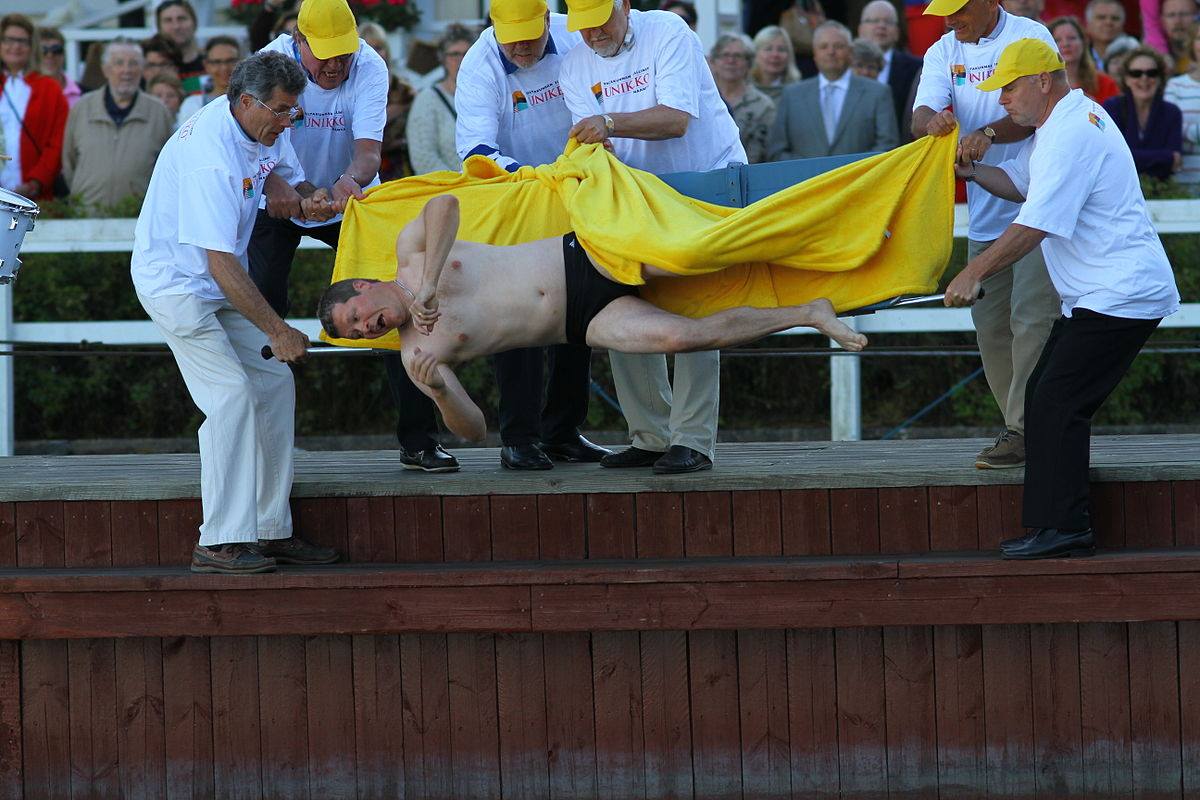
Laughter erupts across Finland on Unikeonpaiva—National Sleepy Head Day. On this day, families playfully wake the sleepiest member with water, either by dunking them in a lake or, in urban areas, with showers or buckets of water. But the tradition extends beyond family homes.
@G200Youth/facebook.com
In the town of Naantali, a local celebrity or politician is selected as the town's official "sleepy head" and ceremoniously thrown into the harbor—fully clothed—before hundreds of spectators. Past "honorees" have included ministers, athletes, and business leaders, who good-naturedly accept this dubious distinction.
Hanami (Japan)
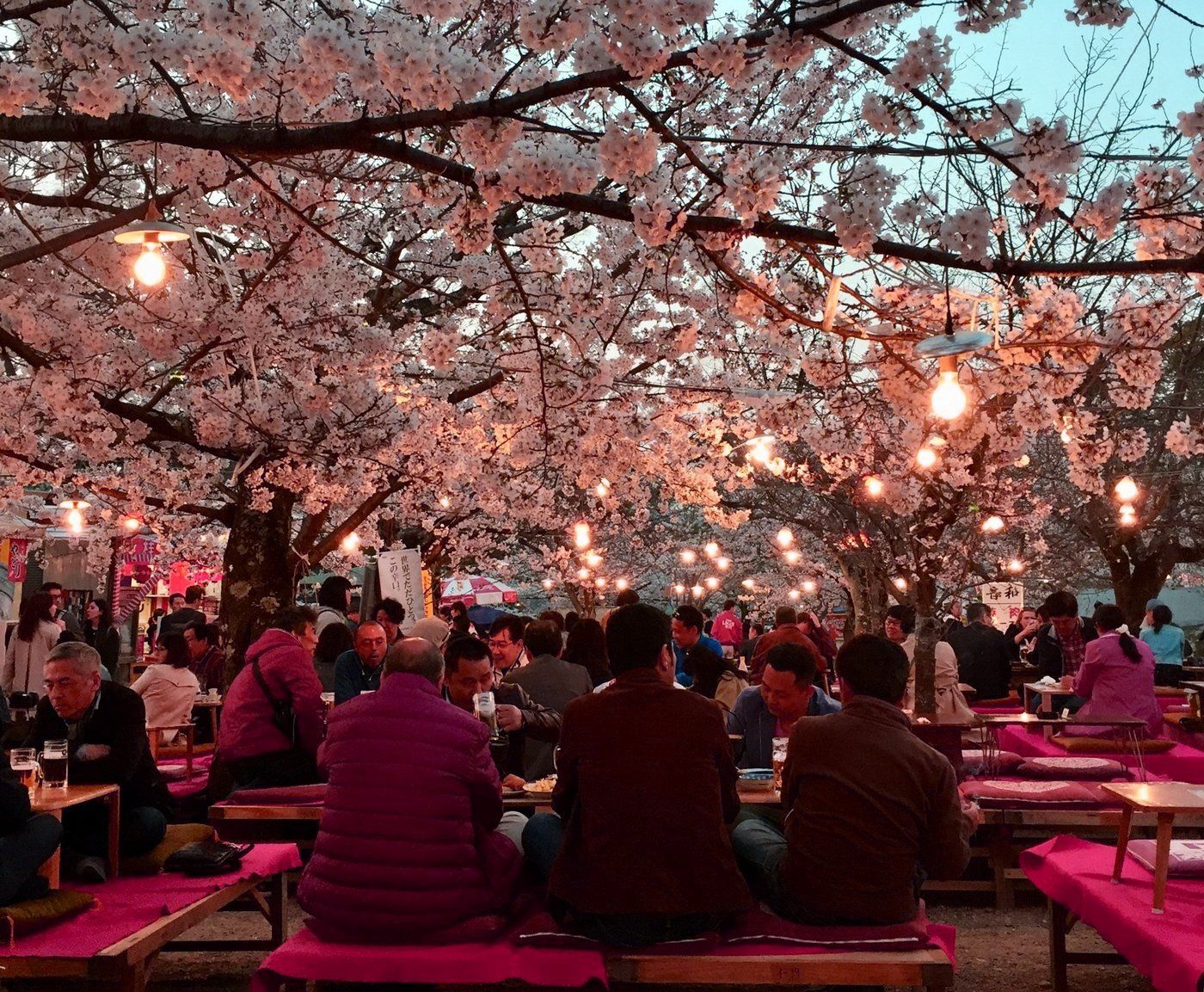
Beneath canopies of pale pink, millions of Japanese gather each spring for Hanami—literally "flower viewing"—a centuries-old celebration of cherry blossoms and their ephemeral beauty. The tradition began in the Heian period (794-1185 CE) among aristocrats who wrote poetry under blooming sakura trees.
@SISAbroad/facebook.com
Emperor Saga of the early 9th century institutionalized flower-viewing parties featuring elaborate feasts. Gradually, the practice spread beyond nobility to become a beloved national custom. "Under the cherry trees, there are no strangers," goes a popular saying, as the shared experience of Hanami temporarily dissolves social barriers.
Nyepi (Bali, Indonesia)
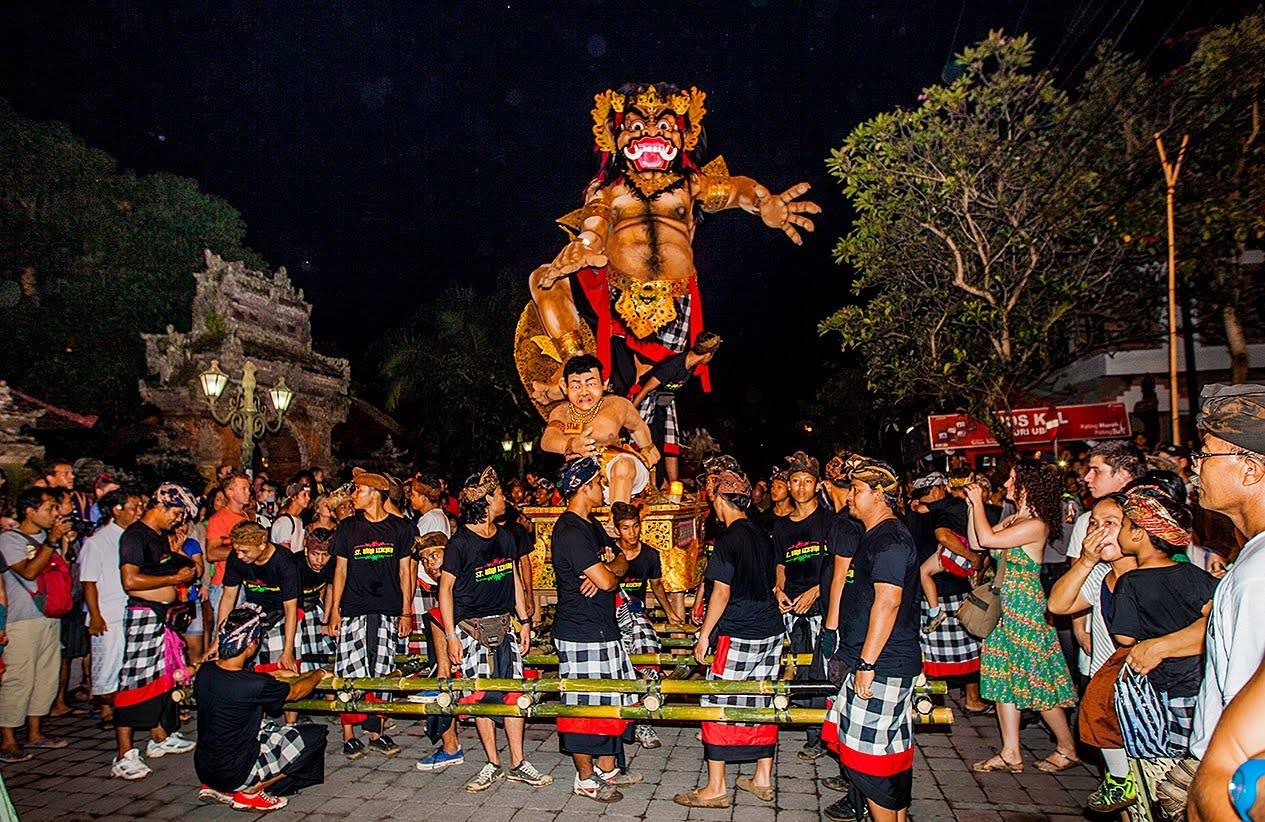
Occurring on the Balinese lunar new year (typically in March or April), Nyepi represents purification through four prohibitions: no fire (lights), no work, no travel, and for many, no talking or entertainment. The island essentially stops, allowing nature and humans alike a rare period of complete rest.
@balisuntours/facebook.com
Silence blankets an entire island. Streets empty. No lights shine from windows after dark. Even the international airport closes—the only such closure for non-weather reasons anywhere in the world. Tourists must remain within hotel grounds, though many embrace the opportunity for digital detox and meditation.
Picnic Day (Australia, Northern Territory)
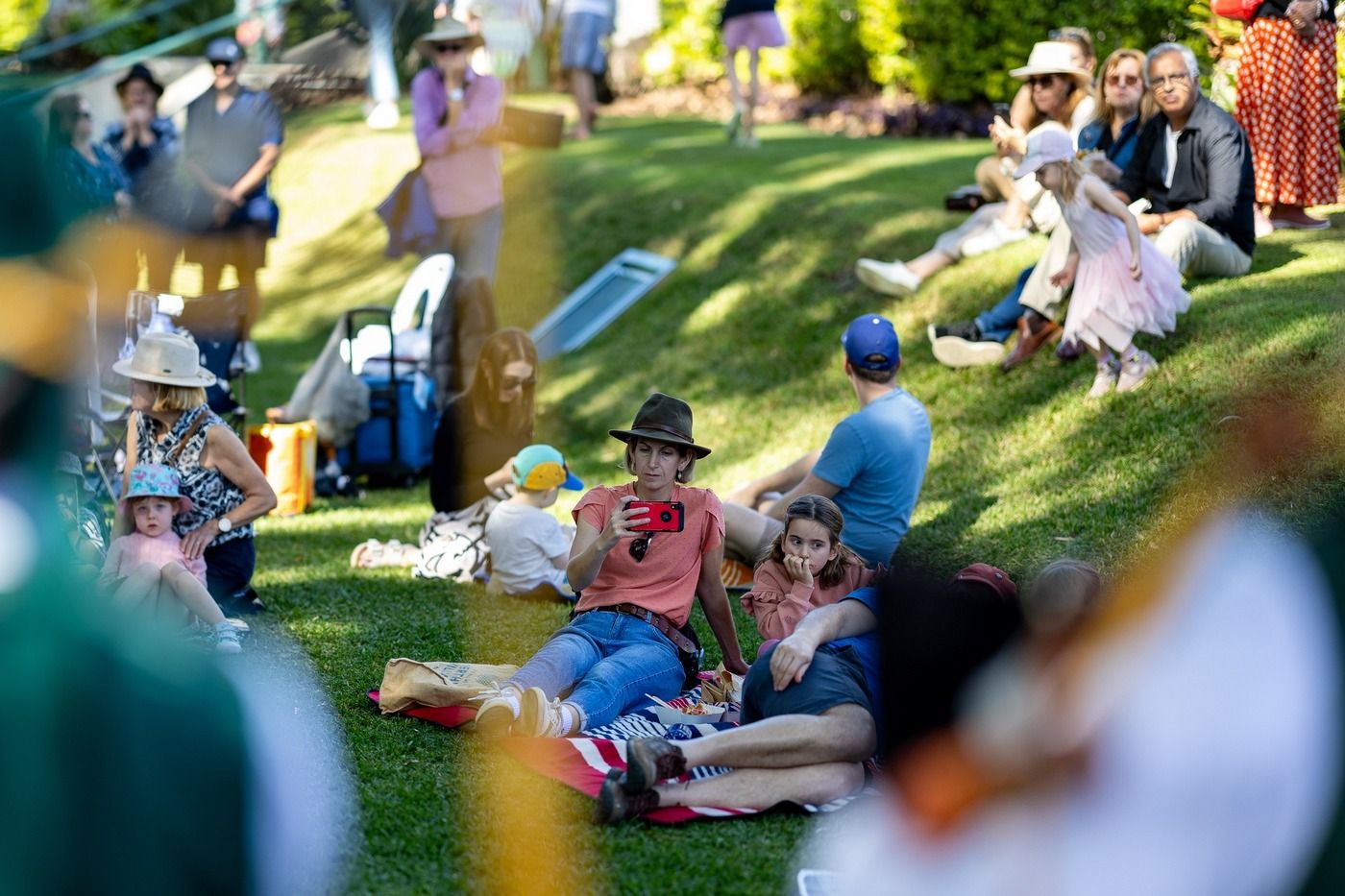
Beneath the tropical winter sun of Australia's Top End, something extraordinary happens on the first Monday of August. Darwin, the Northern Territory's capital city, empties as residents embark on a mass exodus to beaches, bush camps, and billabongs for Picnic Day—a uniquely Territorian celebration with roots deeper than many realize.
@QldGovernor/facebook.com
The holiday originated in 1936 to provide railway workers a day of rest and recreation through the Northern Territory Railway Picnic, where employees and their families would travel by rail to Adelaide River for festivities. What began as an industry-specific observance gradually expanded into a Territory-wide institution, officially recognized in 1947.
Timkat (Ethiopia)
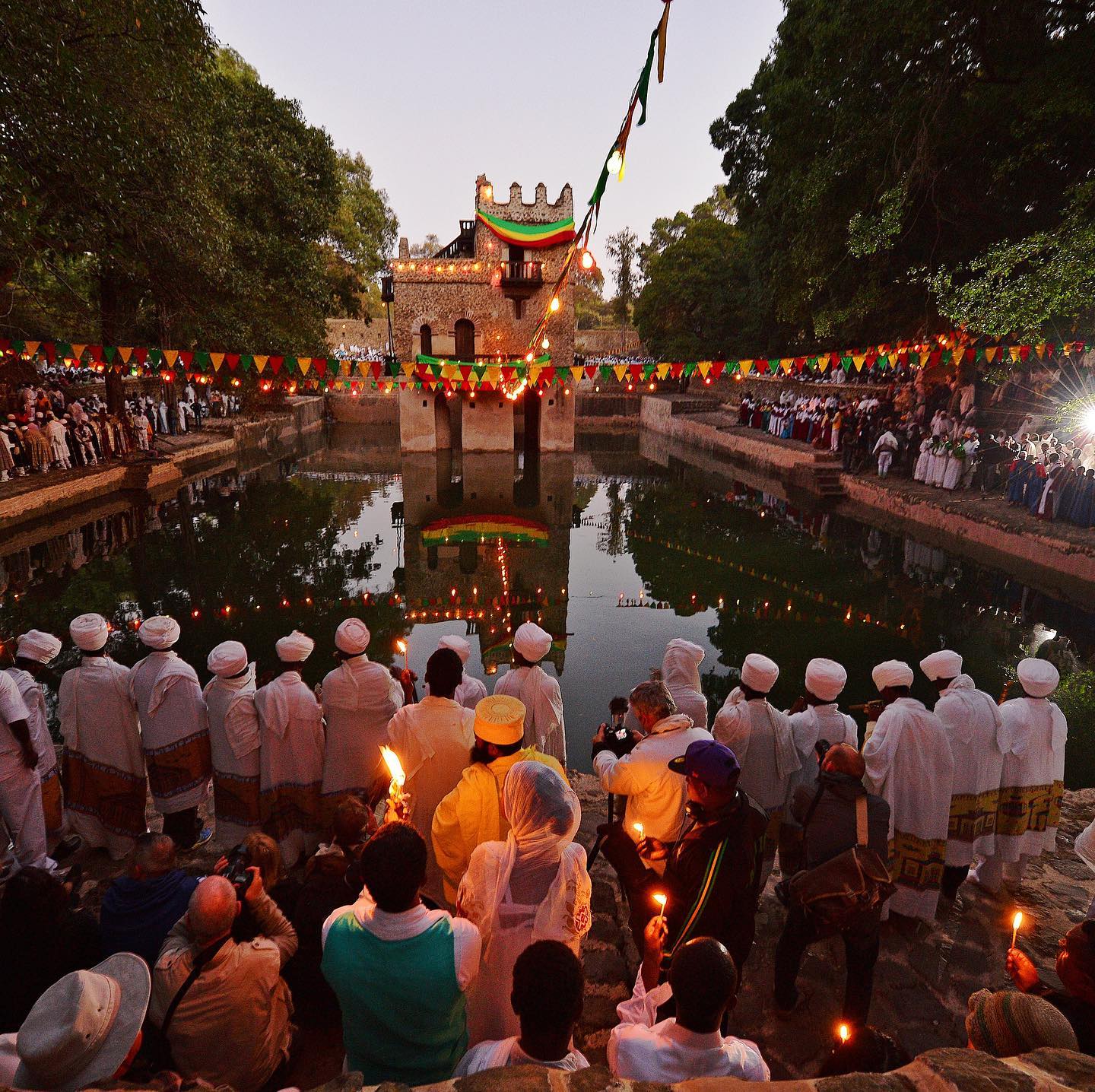
Timkat, a major Ethiopian Orthodox celebration, vividly reenacts and honors the baptism of Jesus in the Jordan River. However, for Ethiopians, Timkat transcends religious observance, functioning as cultural glue in one of Africa's most ancient Christian nations.
@habeshaspice/facebook.com
Ethiopia adopted Christianity in the 4th century and developed distinctive traditions largely isolated from European influences, including a unique 13-month calendar that places Timkat celebrations about two weeks after Western Epiphany.
Alasitas Fair (Bolivia)
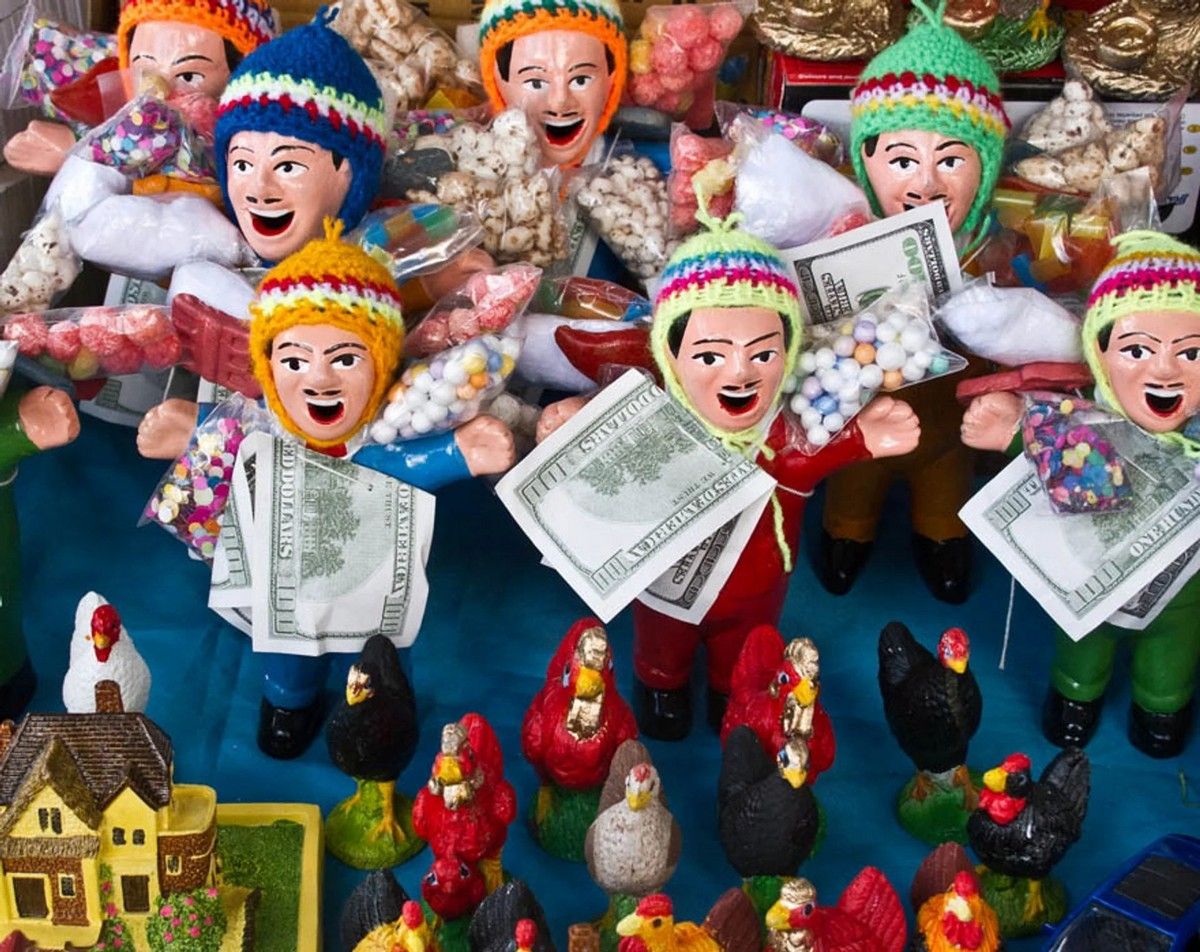
Each January, La Paz transforms as vendors line streets with meticulously crafted miniatures representing every conceivable desire during the Alasitas Fair—a unique convergence of indigenous Aymara spirituality and Catholic tradition. At the center of this mesmerizing celebration stands Ekeko, the pre-Columbian god of abundance.
@Feria de las Alasitas 2026 in Bolivia/rove.me
Believers purchase miniature versions of objects they wish to acquire in the coming year, have them blessed by both traditional yatiris (Aymara spiritual guides) and Catholic priests, and then place these items near household Ekeko figurines. What you obtain in miniature during Alasitas will come to you in full size during the year.
Tane Mahuta Day (New Zealand, Maori)
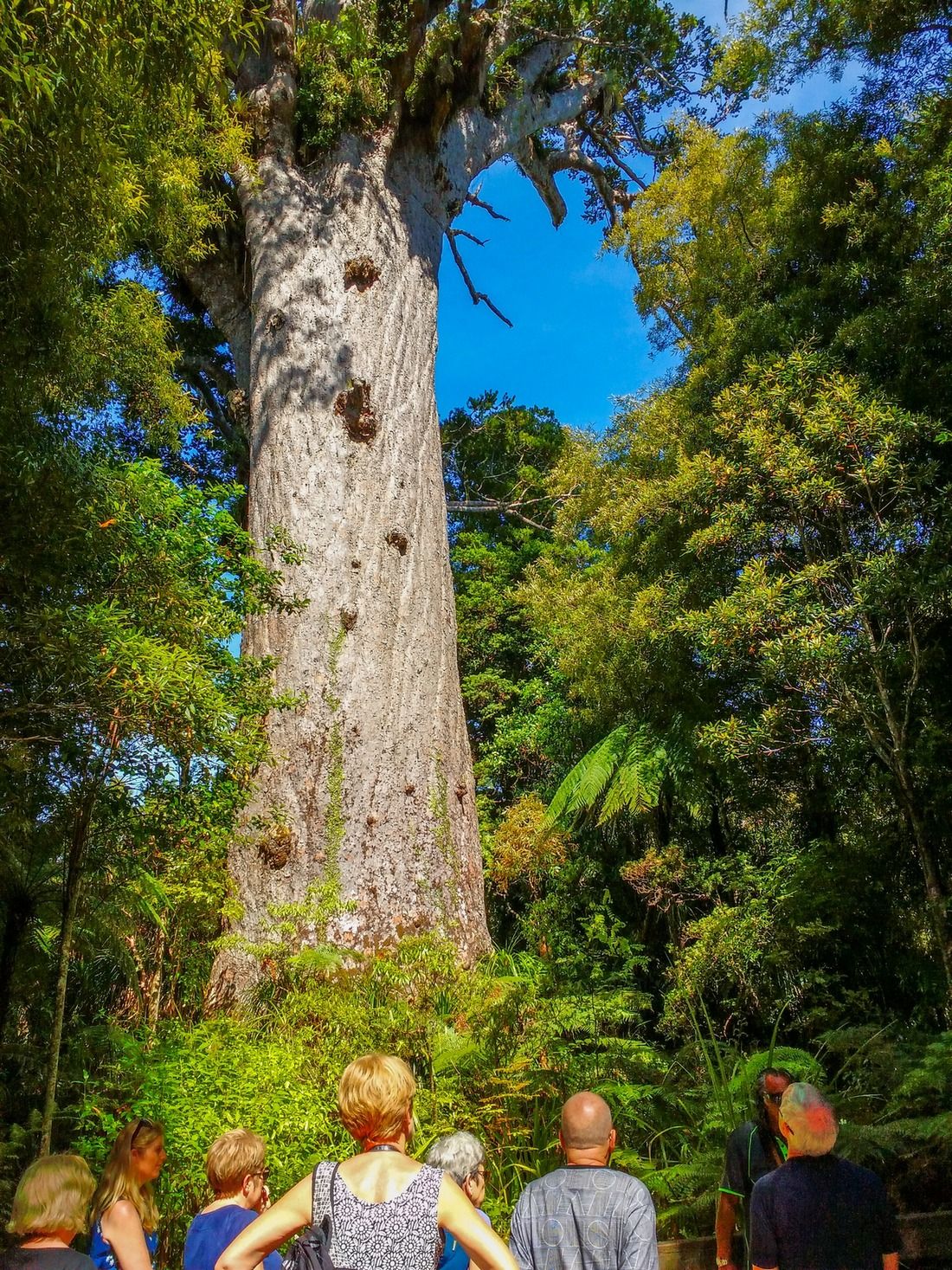
Deep within Waipoua Forest on New Zealand's North Island stands a living colossus—a kauri tree over 2,000 years old, 51 meters tall, with a trunk circumference of nearly 14 meters. This is Tane Mahuta, "Lord of the Forest," named for the Maori god who separated the earth and sky, creating space for all living things.
@MoaToursNZ/facebook.com
Once yearly, indigenous Maori communities gather to honor both the deity and his arboreal embodiment in a celebration that intertwines ecological reverence with cultural reclamation. Its timing follows Matariki (the Maori New Year) in June or July, with precise dates determined by tribal elders based on celestial observations and local conditions.
Name Day (Hungary)
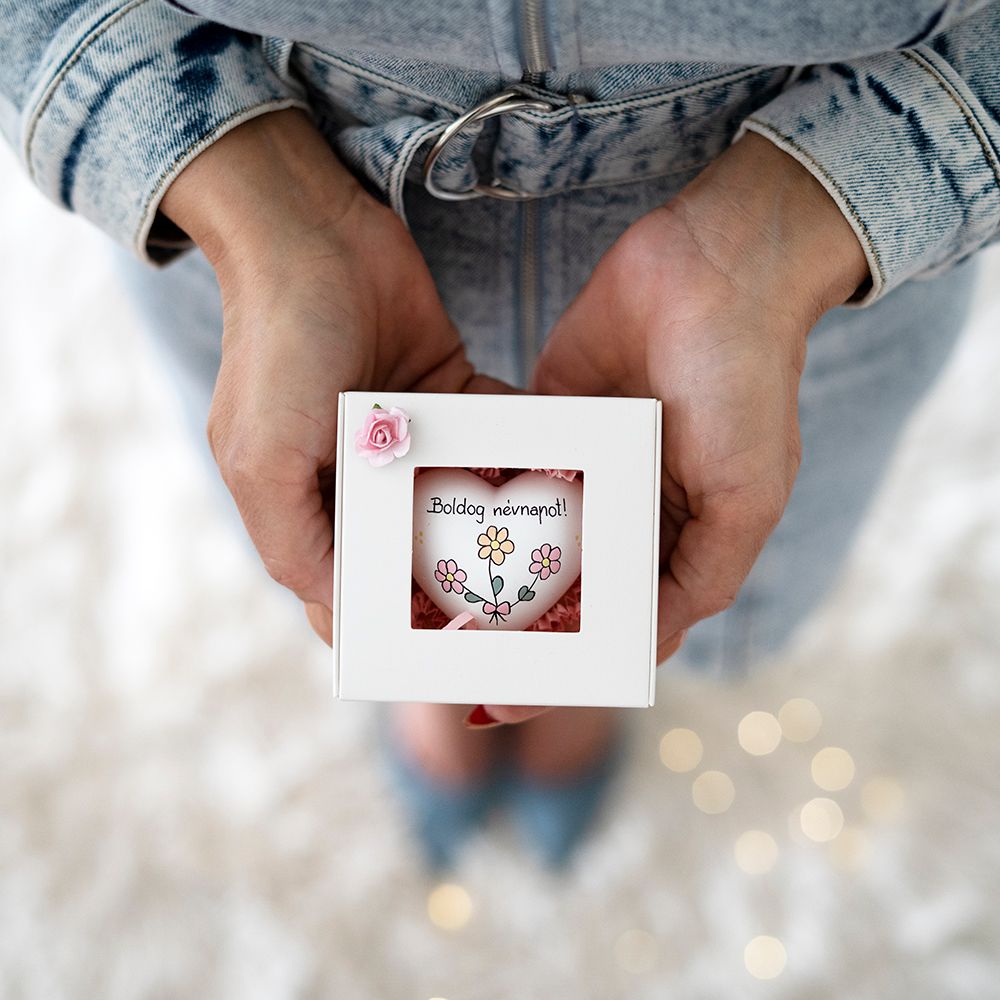
Name Day in Hungary is a celebration tied not to birth dates but to one's given name and its position on the Catholic calendar. Every Hungarian first name has an assigned date based on the traditional Catholic calendar. Janos (John) celebrates on June 24, Istvan (Stephen) on August 20, and Erzsebet (Elizabeth) on November 19.
@Születésnapi/vintagedekoracio.com
Newspapers and calendars list each day's corresponding names, while radio programs announce whose name day falls on the current date. Unlike birthdays, which typically involve family gatherings, name days function as semi-public celebrations. Colleagues bring flowers or chocolates to workplaces. Even casual acquaintances offer good wishes.
Pancasila Day (Indonesia)
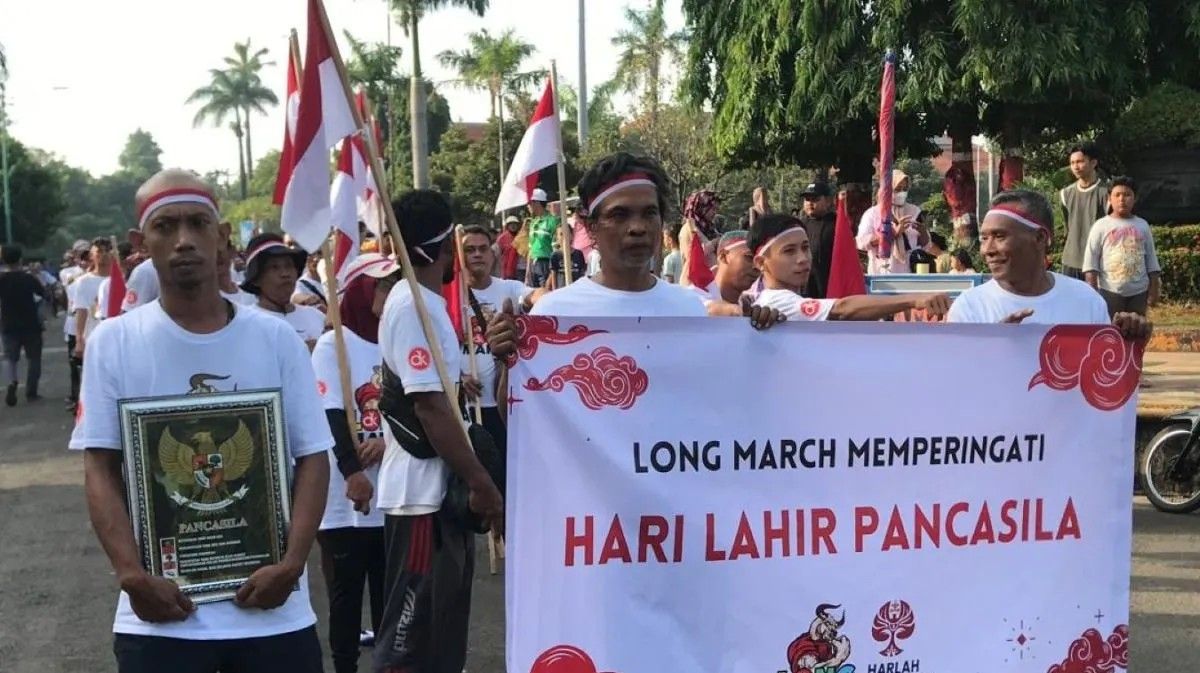
Pancasila Day honors the philosophical foundation that somehow holds Indonesia—the world's largest archipelagic state—together despite the extraordinary diversity that might otherwise drive it apart. Each June 1, Indonesians commemorate the date in 1945 when future president Sukarno first articulated the five principles that would form the nation's core ideology.
@Jepara residents hold 44-km March to celebrate Pancasila Day/antaranews.com
The five principles are belief in one supreme God, just and civilized humanity, Indonesian unity, democracy guided by consensus, and social justice for all Indonesians. In recent years, the holiday has gained prominence as Indonesia grapples with tensions between religious conservatism and secular governance.
Grandparents' Day (Poland)
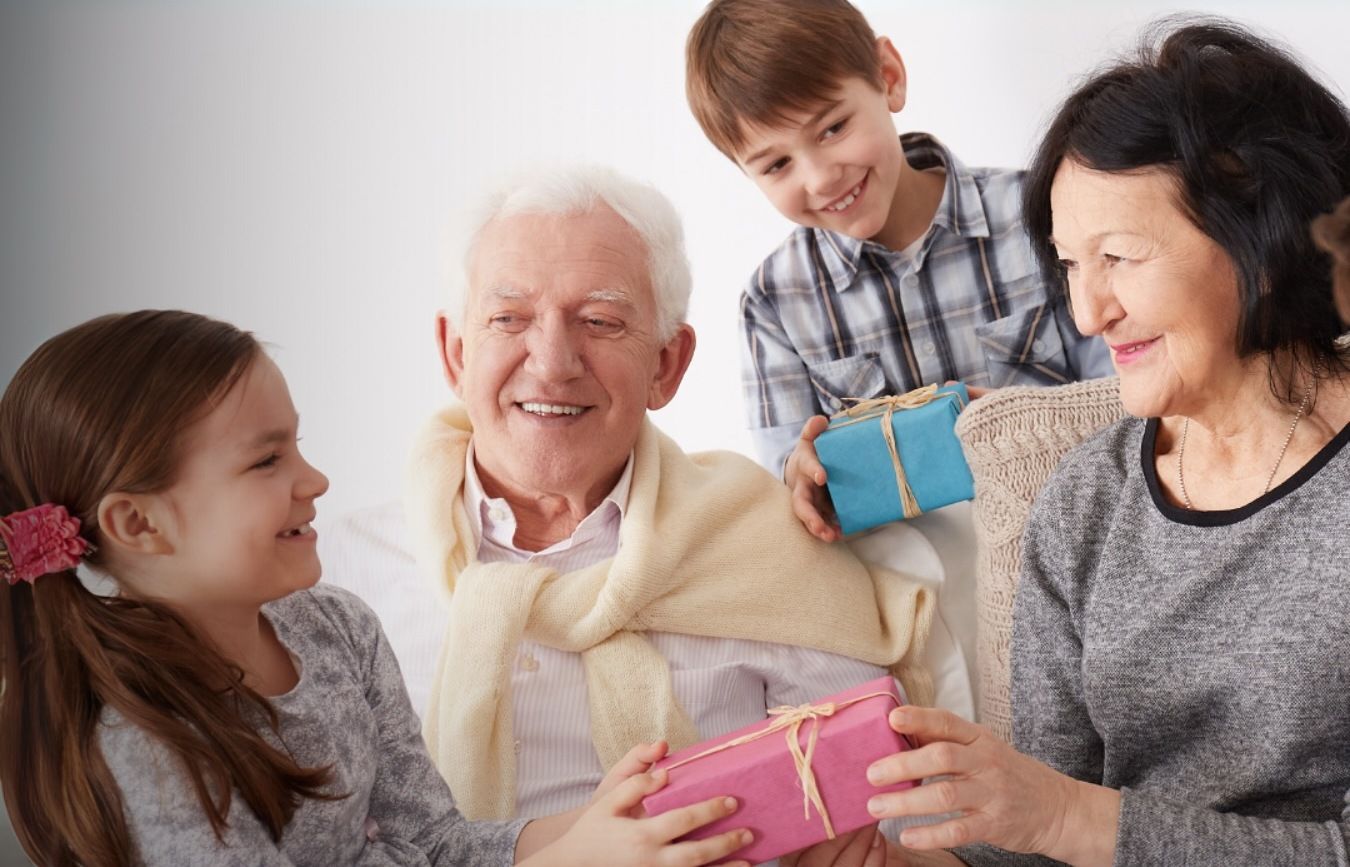
Grandmother's Day on January 21 and Grandfather's Day on January 22 transform midwinter's coldest period into Poland's warmest family celebration. Unlike commercialized Western counterparts, these observances remain refreshingly sincere—focused on relationship-building rather than gift-giving.
@Sklep Polonia/facebook.com
Schools prepare children for weeks beforehand, helping them create decorative cards featuring pressed flowers, poems, and personal messages. In homes nationwide, grandchildren serve tea and poppy seed rolls. The conversation focuses on family stories, with many grandparents using the occasion to pass down histories, recipes, and traditions.
National Day of Mourning (Canada)
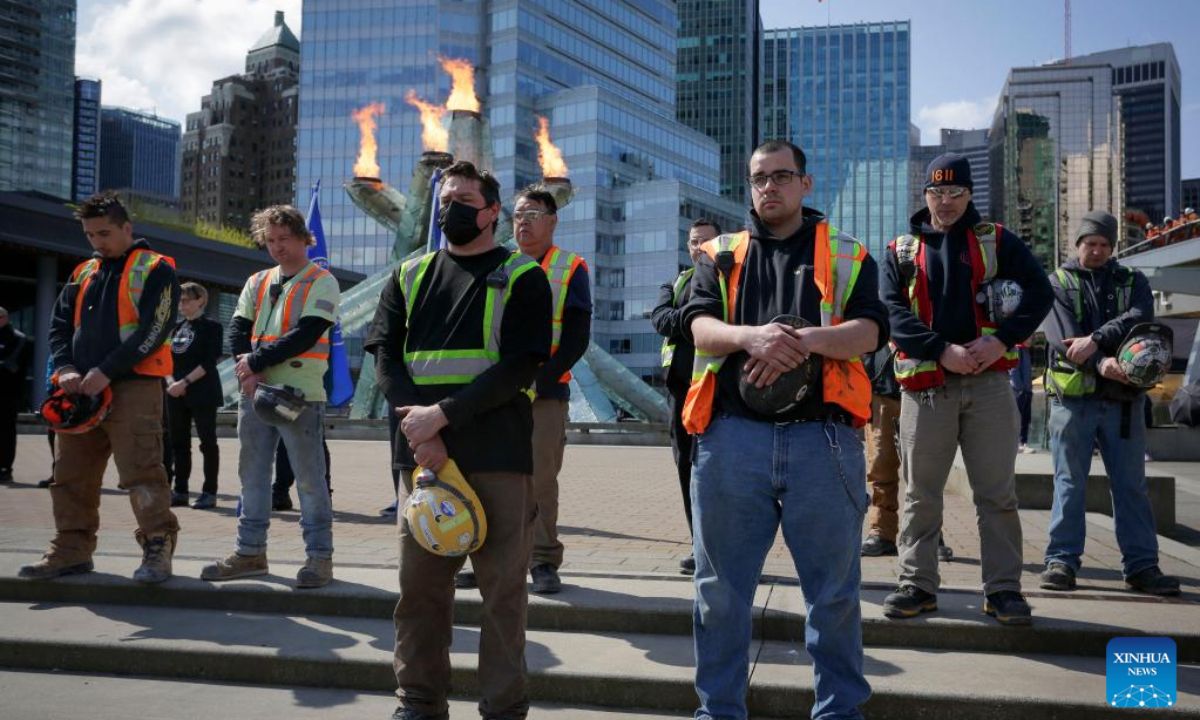
Established in 1991 by the Canadian Labour Congress and officially recognized by federal legislation in 1991, this observance grows from tragedy's soil. Each year, approximately 1,000 Canadian workers lose their lives to workplace accidents or occupational diseases—fathers, mothers, daughters, sons whose absence leaves permanent holes in family tapestries.
@National Day of Mourning marked in Canada/globaltimes.cn
In city squares and union halls, ceremonies feature empty work boots arranged in silent rows, each pair representing a life cut short. Safety helmets placed atop ceremonial wreaths serve as poignant reminders of protection that sometimes proves insufficient. Moments of silence spread across construction sites, factories, hospitals, and offices precisely at 11:00 AM.
All Souls’ Day (Mexico, Philippines)
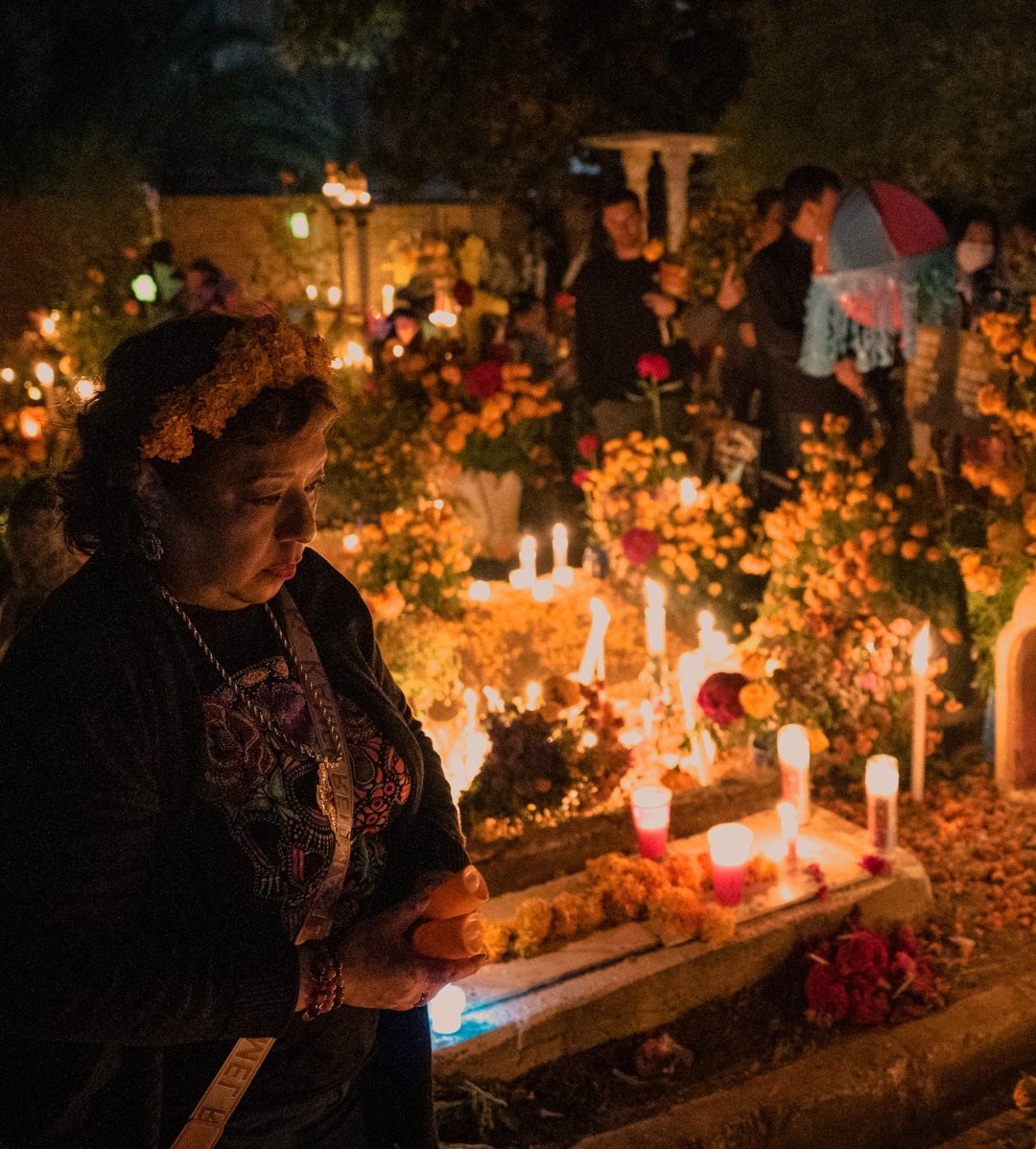
All Souls’ Day, observed on November 2nd, is a deeply spiritual occasion in the Philippines, where families honor their departed loved ones. Families visit cemeteries to clean graves, light candles, and pray for the souls of the deceased.
@ABCNews/facebook.com
The tradition reflects a profound connection between the living and the dead, emphasizing remembrance and continuity. All Souls’ Day is a celebration of life as much as it is a commemoration of death, a time to reflect on the enduring bonds of family and the cyclical nature of existence.
Arafat Day (Saudi Arabia)
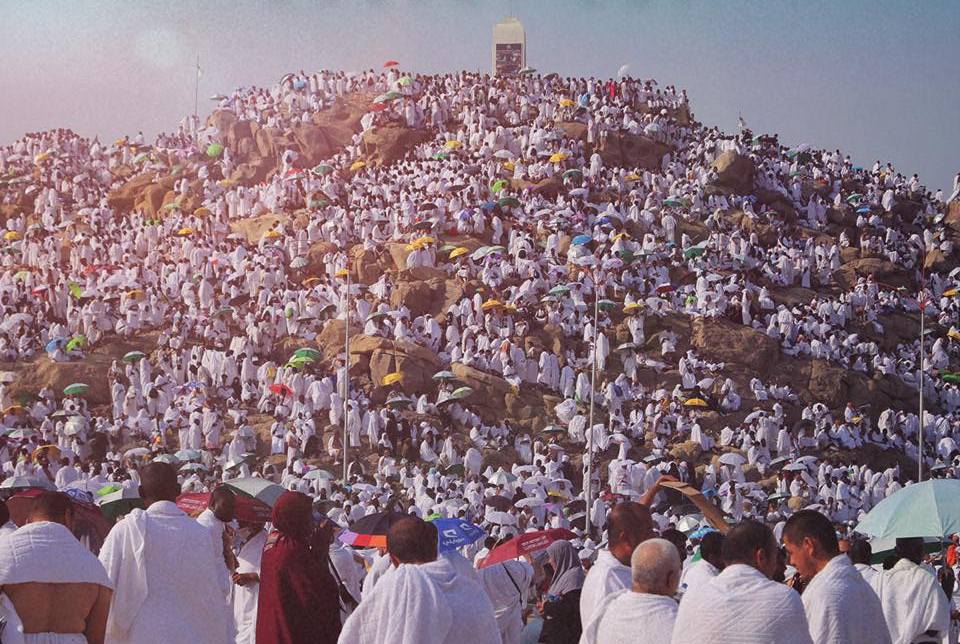
Arafat Day, one of the most sacred days in Islam, is a cornerstone of the Hajj pilgrimage. Falling on the 9th day of Dhu al-Hijjah, it sees millions of pilgrims gather at the plain of Arafat, near Mecca, to stand in prayer and reflection. This act, known as Wuquf, symbolizes the pinnacle of the Hajj journey and is believed to cleanse the soul of sins.
@FriendiMobileOman/facebook.com
For Muslims worldwide, Arafat Day is a time of fasting, prayer, and spiritual renewal. The day is imbued with a profound sense of unity, as believers across the globe join in devotion, mirroring the pilgrims in Mecca. Arafat Day is a powerful reminder of humility, faith, and the shared humanity that binds people together.
Simbang Gabi (Philippines)
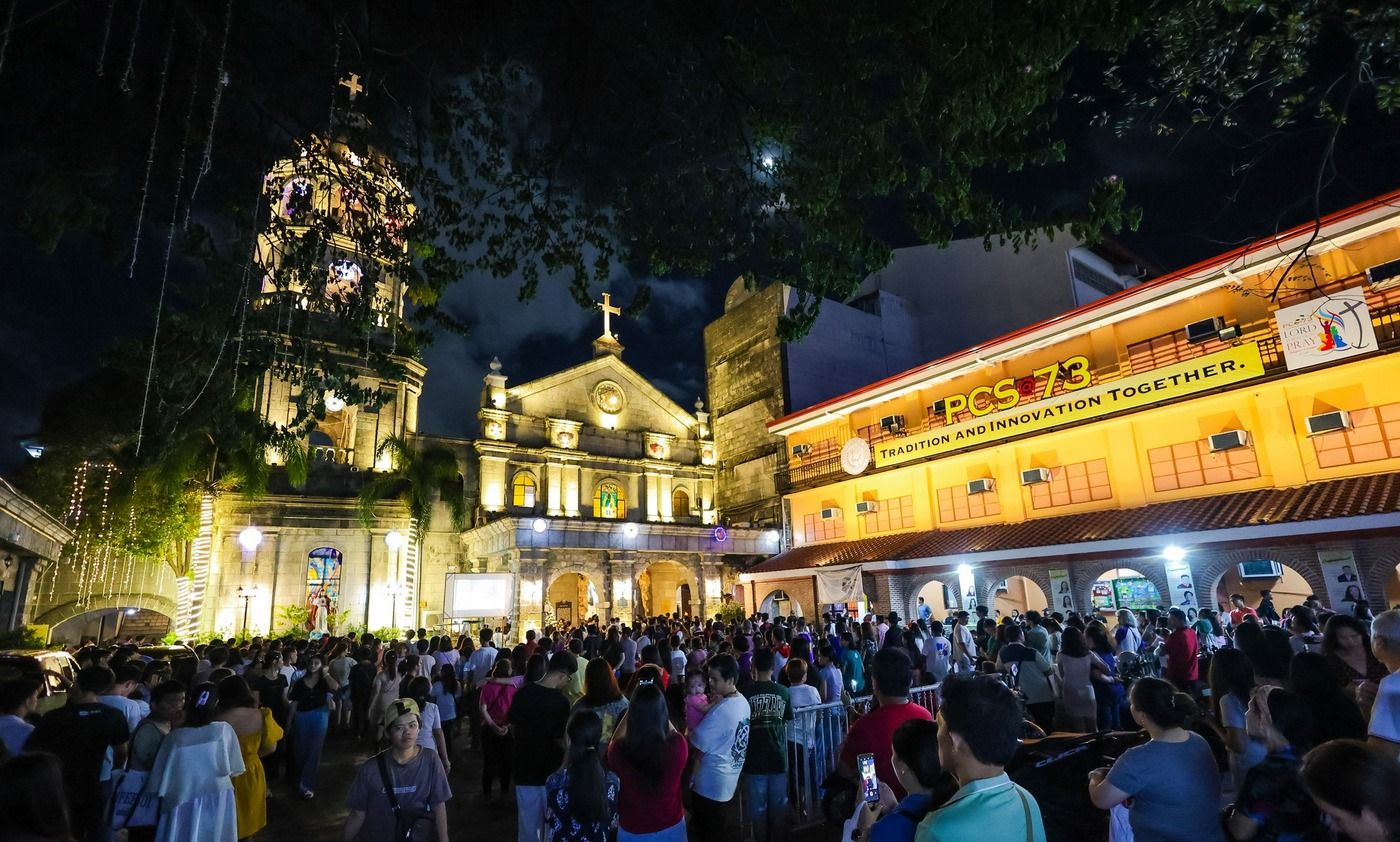
Before dawn breaks, church bells echo across the Philippines, calling the faithful to Simbang Gabi, a nine-day Christmas novena. The early morning masses, steeped in Spanish colonial tradition, symbolize devotion and perseverance. Families wake at 4 AM, filling churches wrapped in flickering lantern light.
@StaMartaYSanRoque/facebook.com
After mass, street vendors offer warm bibingka (rice cakes) and puto bumbong, turning sacrifice into comfort. Legend has it that completing all nine masses grants a special wish—an incentive for even the sleepiest souls. A blend of faith, festivity, and food, Simbang Gabi is the heartbeat of a Filipino Christmas.
Miners’ Day (Chile)
Beneath the vast Chilean landscape lies a world of perseverance, courage, and sacrifice. August 10 marks Miners’ Day, honoring the backbone of Chile’s economy—the miners who extract copper, lithium, and gold from the earth. The date is no coincidence; it commemorates San Lorenzo, the miners’ patron saint.
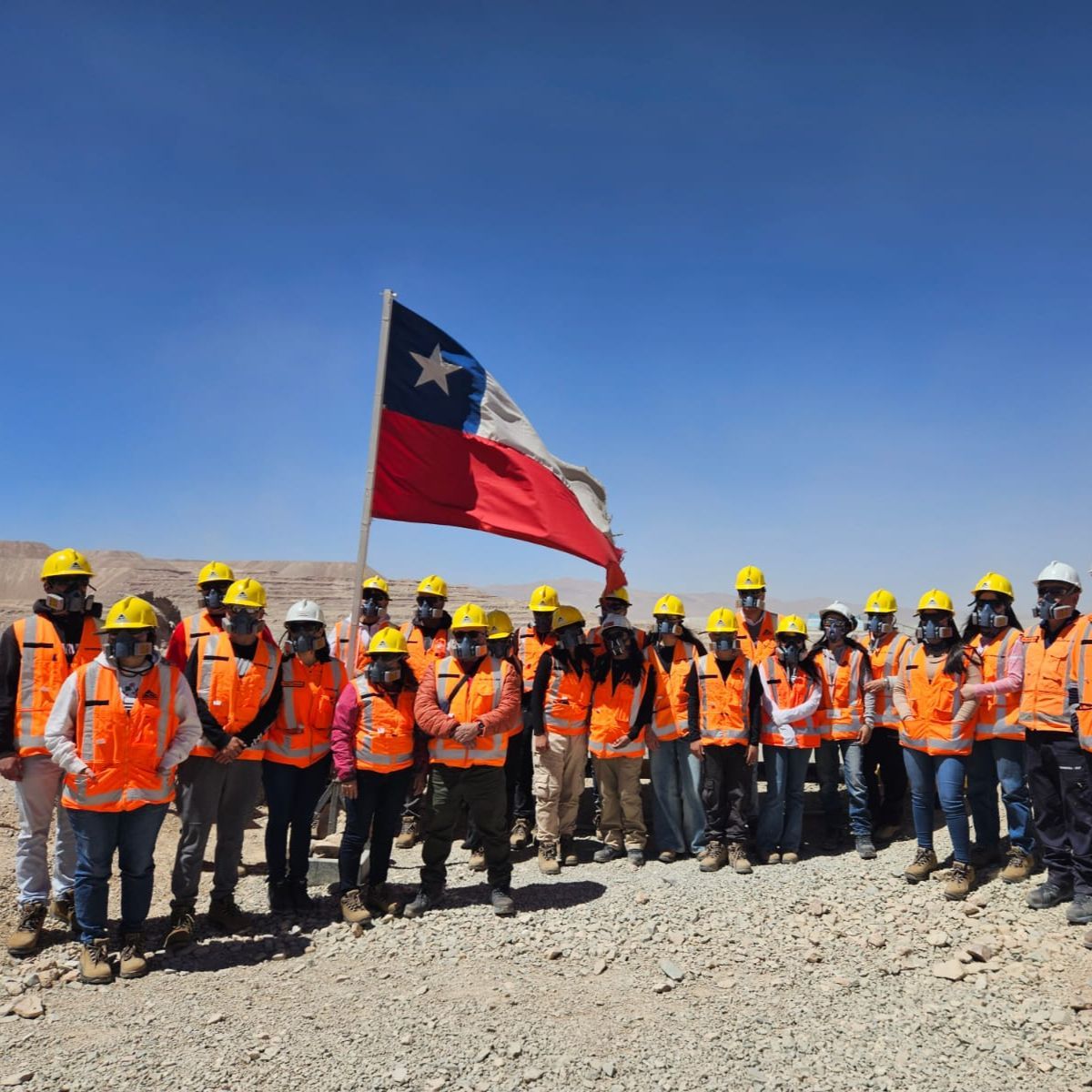
@BHP/facebook.com
Celebrations take place in mining towns like Calama and Copiapo, with masses, tributes, and safety workshops. But the day carries a solemn undertone, remembering those who lost their lives underground. The 2010 rescue of 33 miners from the San José mine is still fresh in the collective memory—proof of Chilean resilience, where every miner’s story is one of endurance.
Kagami Biraki (Japan)
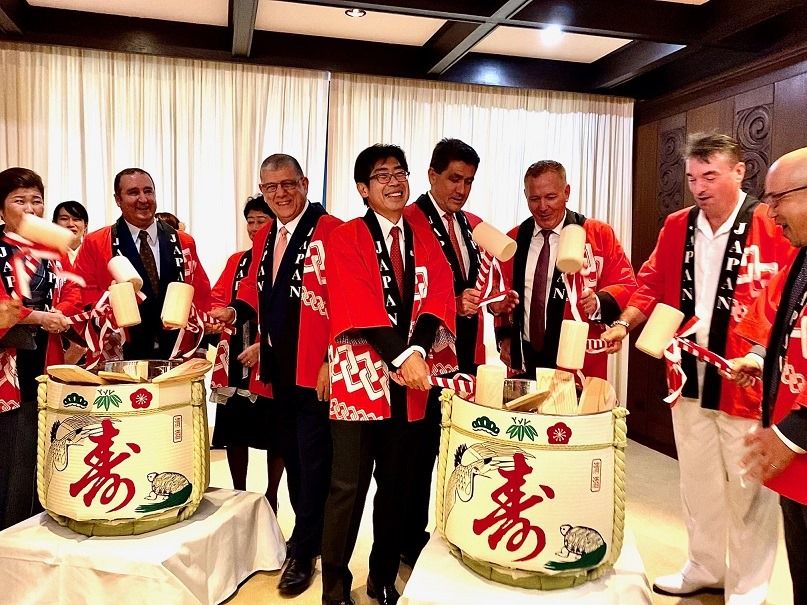
Kagami Biraki is a samurai tradition turned New Year’s ritual. On January 11, households, martial arts dojos, and sumo stables break open kagami mochi—round rice cakes that have been displayed since the new year. But don’t expect a neat slice—cutting is forbidden, as it symbolizes severing luck.
@CGJSYD/facebook.com
Instead, the mochi is broken by hand or with a hammer, and then shared as oshiruko (sweet red bean soup). In dojos, the ritual extends to sake barrels, symbolizing strength and prosperity. A simple act, yet deeply symbolic: breaking the old to embrace the new, with strength and sweetness in equal measure.