These National Parks Are the Closest You’ll Get to Visiting Heaven
01 Jan 1970Exploring the world's national parks offers an opportunity to witness some of the most breathtaking landscapes and diverse ecosystems on the planet. While beauty is subjective, certain parks are frequently celebrated for their stunning natural features. Here is a curated list of 50 of the most beautiful national parks around the world that impress you.
Banff National Park, Canada
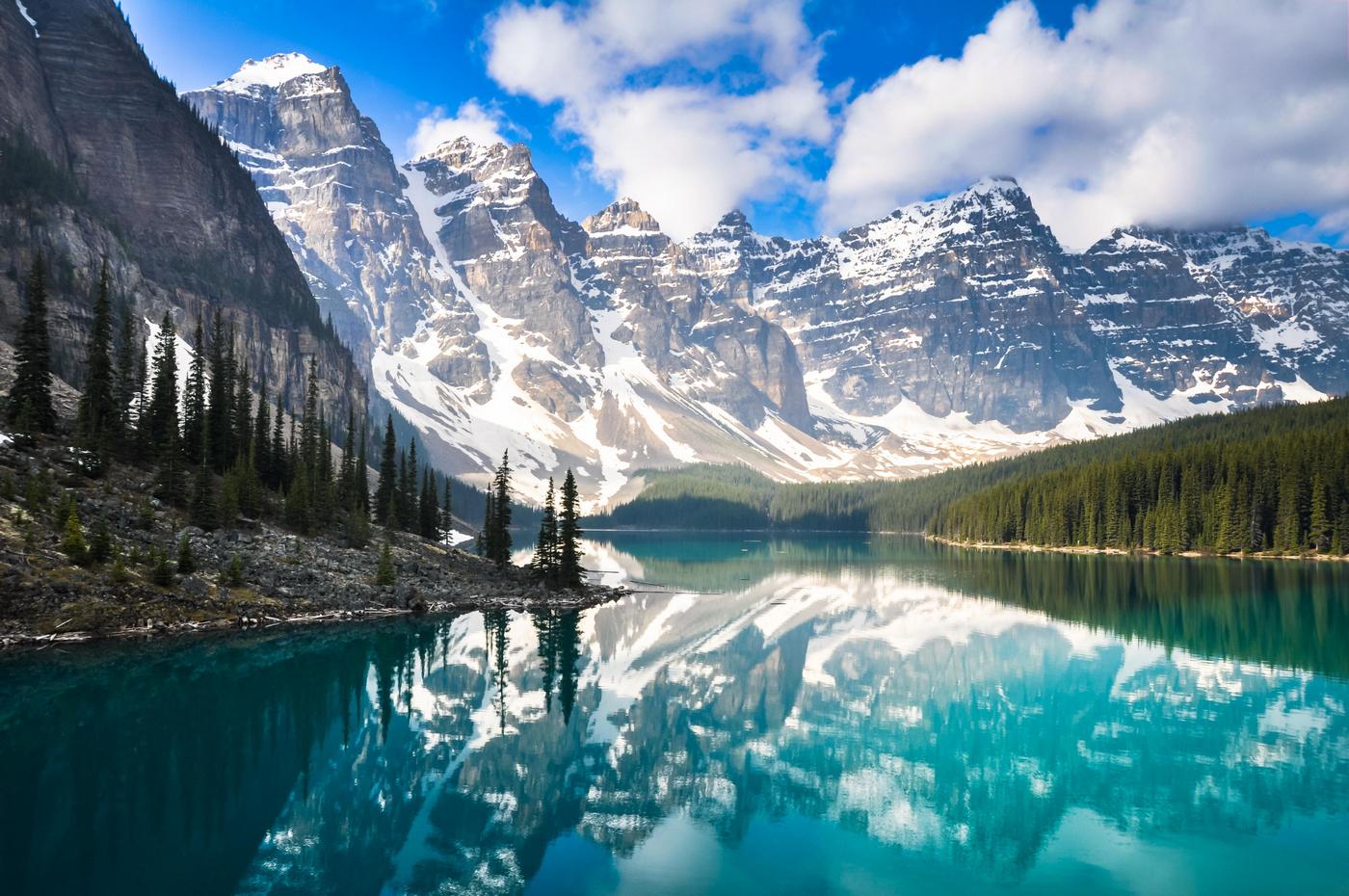
Banff National Park, Canada’s first national park, is a stunning wilderness in the Canadian Rockies. Established in 1885, it features towering peaks, turquoise lakes like Lake Louise, and diverse wildlife, including elk and bears. The park offers year-round activities such as hiking, skiing, and wildlife viewing.
@NatureIsFuckingLit/reddit.com
The town of Banff provides cozy lodges, cultural attractions, and hot springs for relaxation. Visitors can explore iconic sites like the Icefields Parkway or enjoy panoramic views from the Banff Gondola. With its breathtaking landscapes and outdoor adventures, Banff remains one of Canada’s most cherished destinations.
Glacier National Park, USA
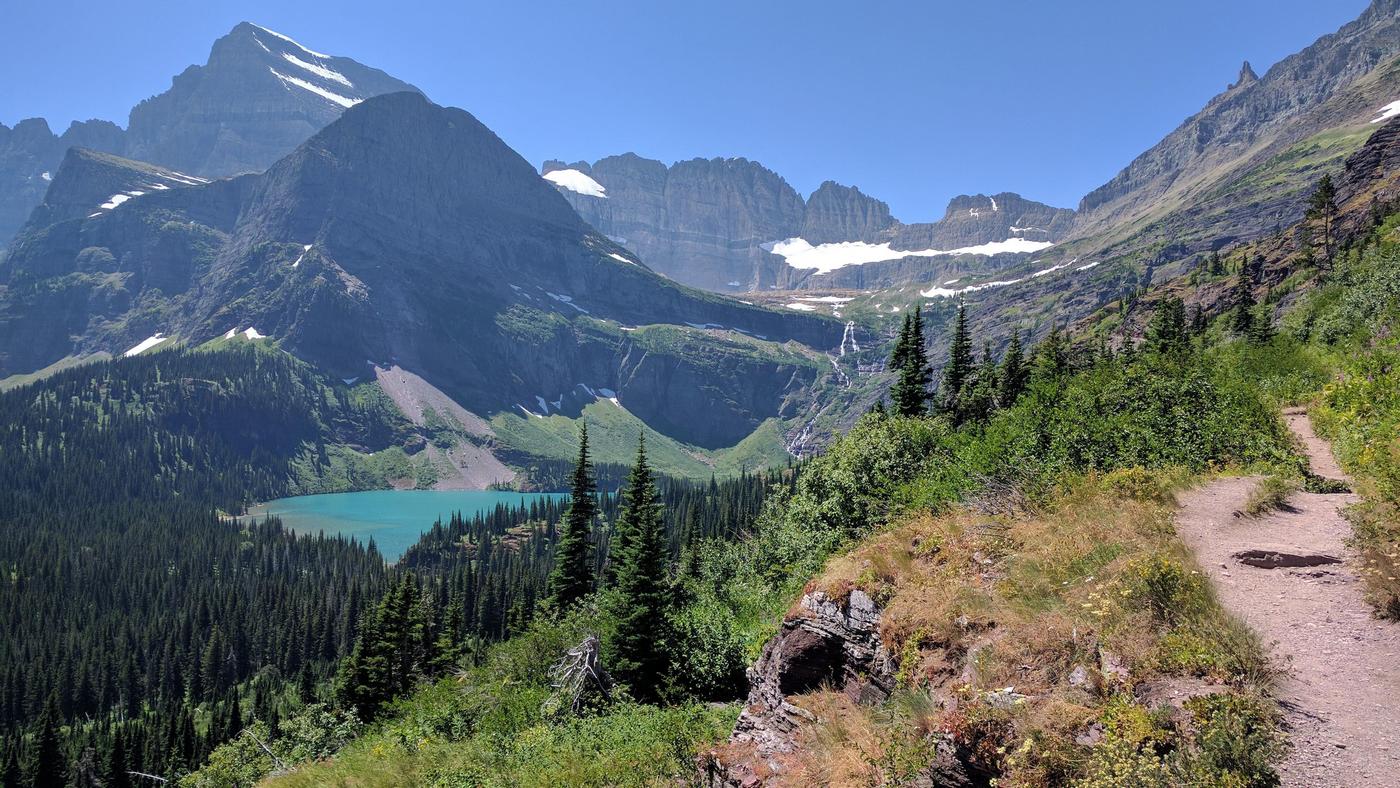
Glacier National Park in Montana, known as the “Crown of the Continent,” features rugged mountains, over 130 lakes, and diverse wildlife, including grizzly bears and mountain goats. The famous Going-to-the-Sun Road, a 50-mile scenic drive, crosses the Continental Divide and offers breathtaking views.
@jrlii/reddit.com
Once home to around 150 glaciers, fewer than 25 remain due to climate change. The park also forms the world’s first International Peace Park with Canada’s Waterton Lakes National Park. With its dramatic scenery and rich biodiversity, Glacier is a paradise for outdoor enthusiasts.
Yellowstone National Park, USA
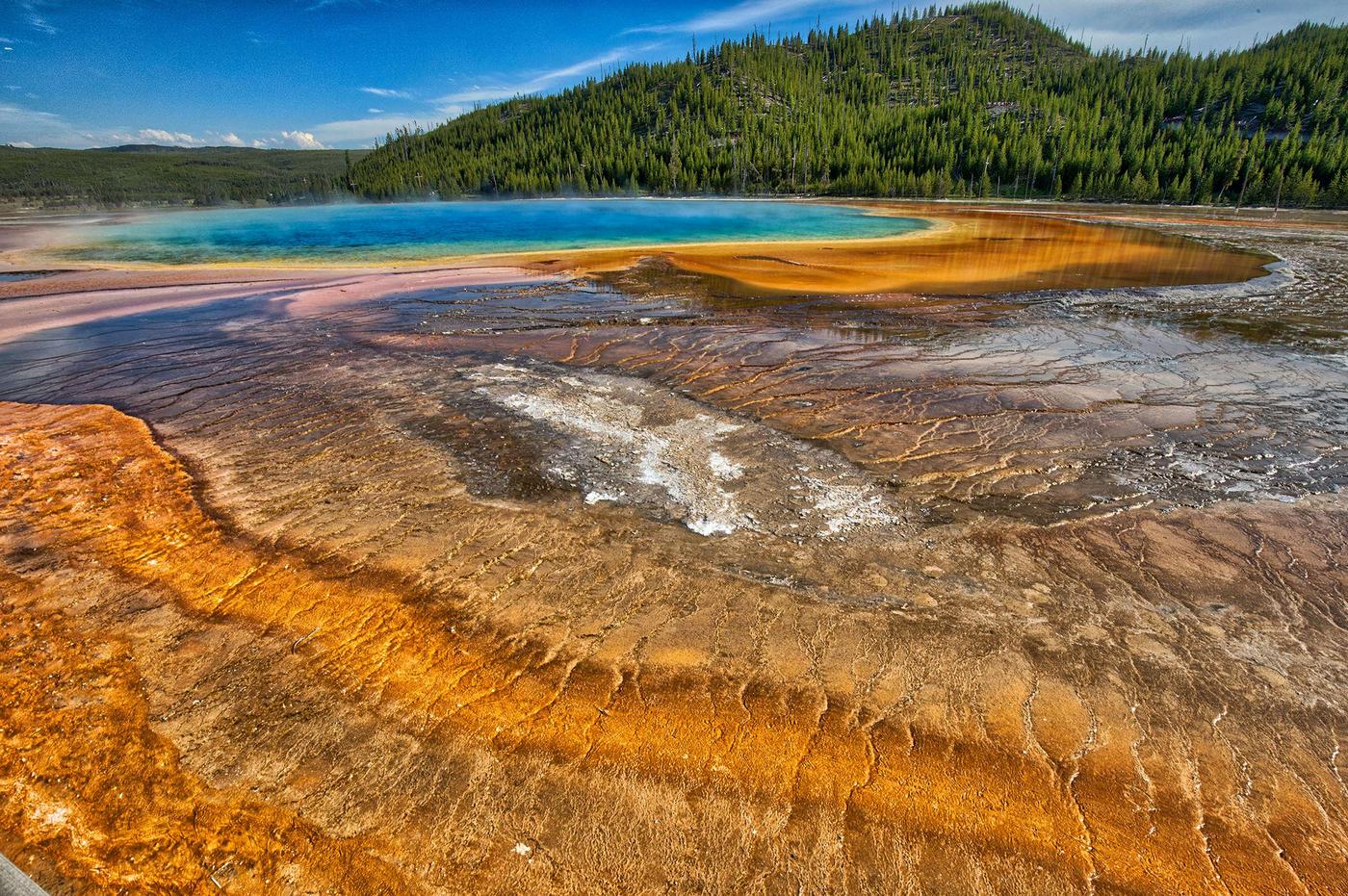
Yellowstone National Park, established in 1872, is the world's first national park and a geothermal wonderland. Located mostly in Wyoming, it spans over 2.2 million acres and is home to famous features like Old Faithful and Grand Prismatic Spring. The park sits atop a supervolcano, fueling its more than 500 geysers and thousands of hot springs.
@doctorbobster/reddit.com
Yellowstone’s diverse ecosystems support wildlife such as bison, wolves, and grizzly bears. The Grand Canyon of the Yellowstone offers breathtaking waterfalls and scenic vistas. With its geothermal activity, stunning landscapes, and rich wildlife, Yellowstone remains one of the most fascinating natural destinations in the world.
Yosemite National Park, USA
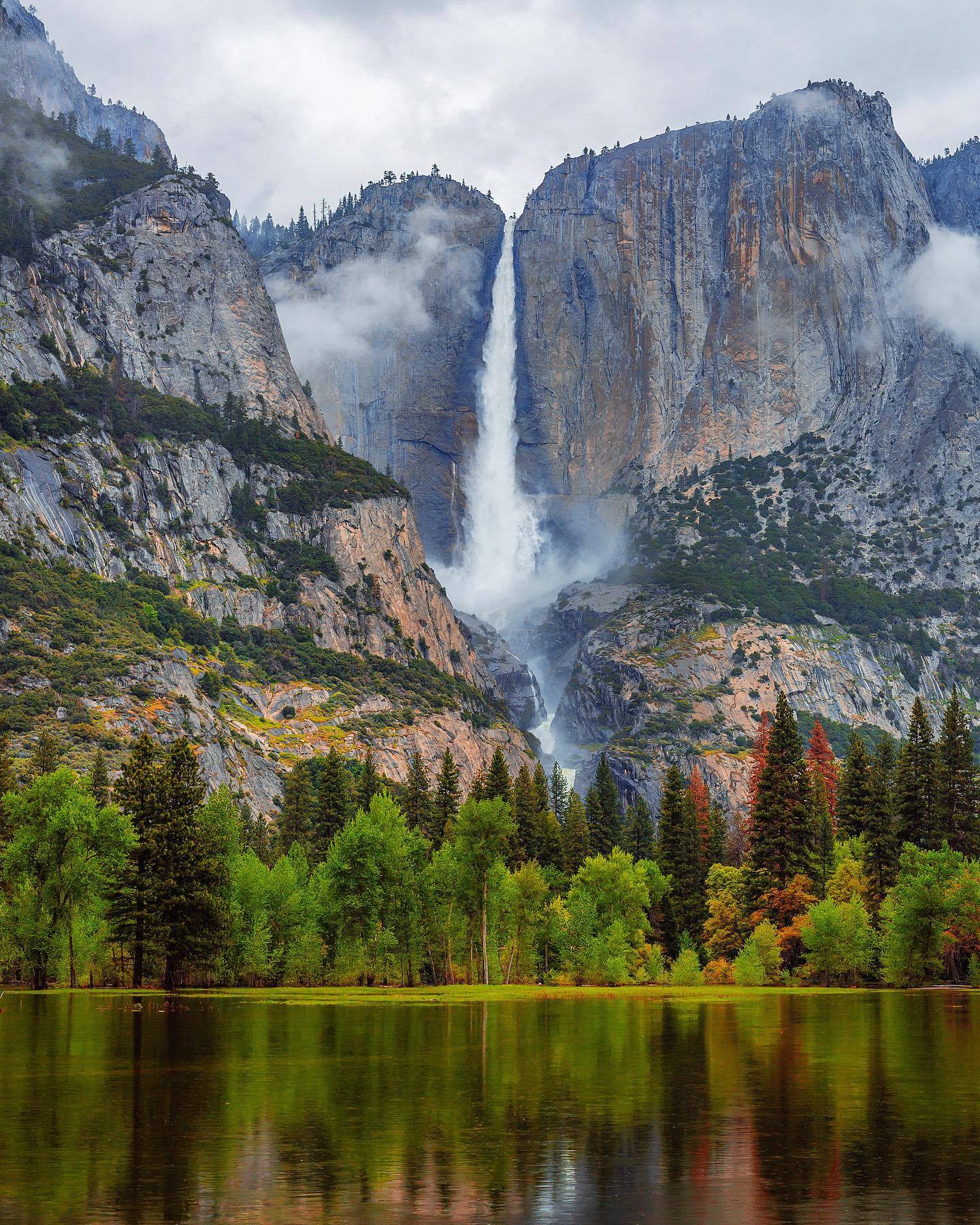
Nevada is renowned for its towering granite cliffs, including El Capitan and Half Dome. Established in 1890, the park spans over 750,000 acres and features stunning waterfalls like Yosemite Falls, one of North America’s tallest. It is also home to ancient giant sequoias, found in Mariposa Grove.
@Wamges/reddit.com
The park’s diverse landscapes support wildlife such as black bears, mule deer, and peregrine falcons. Tunnel View offers one of the most famous panoramic vistas, showcasing Yosemite Valley’s breathtaking beauty. With its dramatic scenery and rich biodiversity, Yosemite remains a treasured natural wonder.
Serengeti National Park, Tanzania
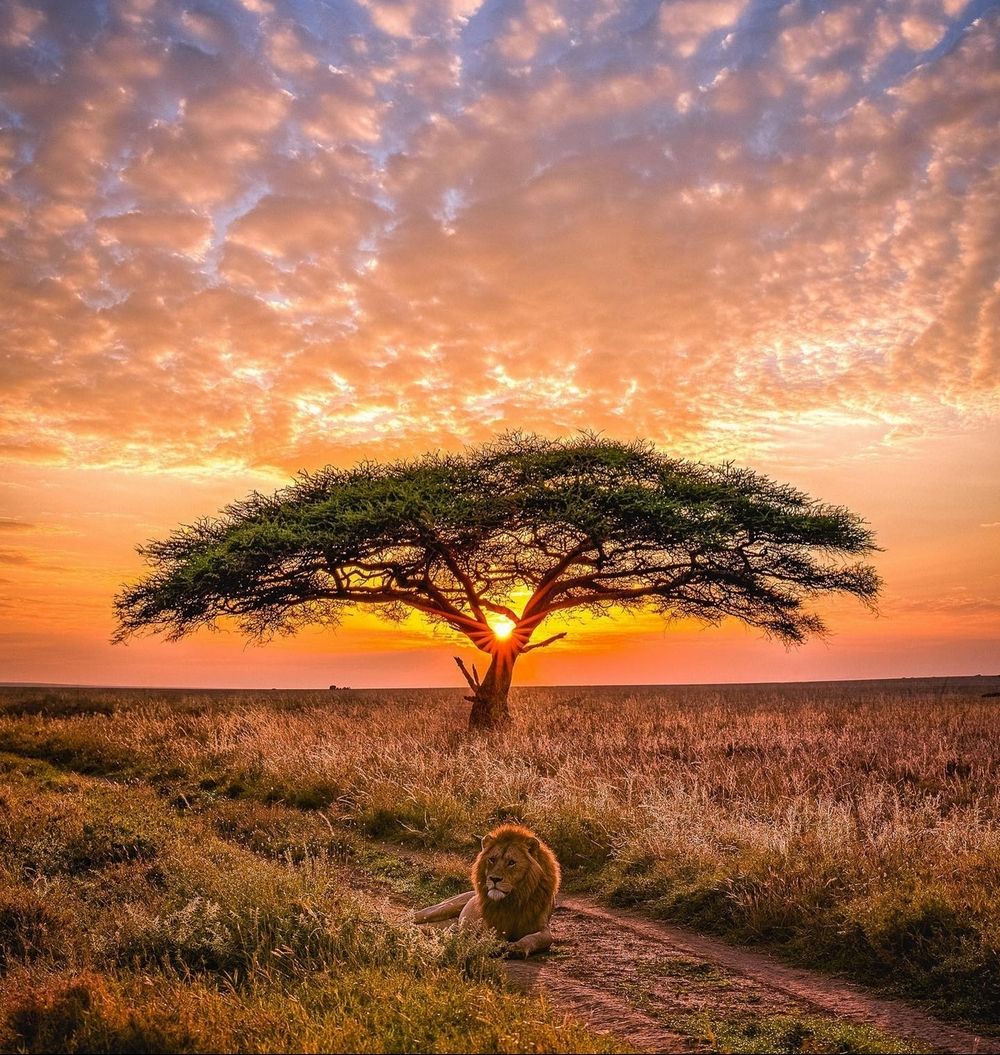
Serengeti National Park in Tanzania is one of Africa’s most famous wildlife reserves, covering nearly 15,000 square kilometers. It is best known for the Great Migration, where over 1.5 million wildebeest, along with zebras and gazelles, travel in search of fresh grazing lands.
@CryptoExodus/reddit.com
The park’s vast plains are home to the “Big Five” – lions, elephants, leopards, rhinos, and buffalo – as well as cheetahs and hyenas. The Serengeti also boasts diverse landscapes, from open savannas to acacia woodlands. With its incredible wildlife and breathtaking scenery, it remains one of the world’s most spectacular safari destinations.
Torres del Paine National Park, Chile
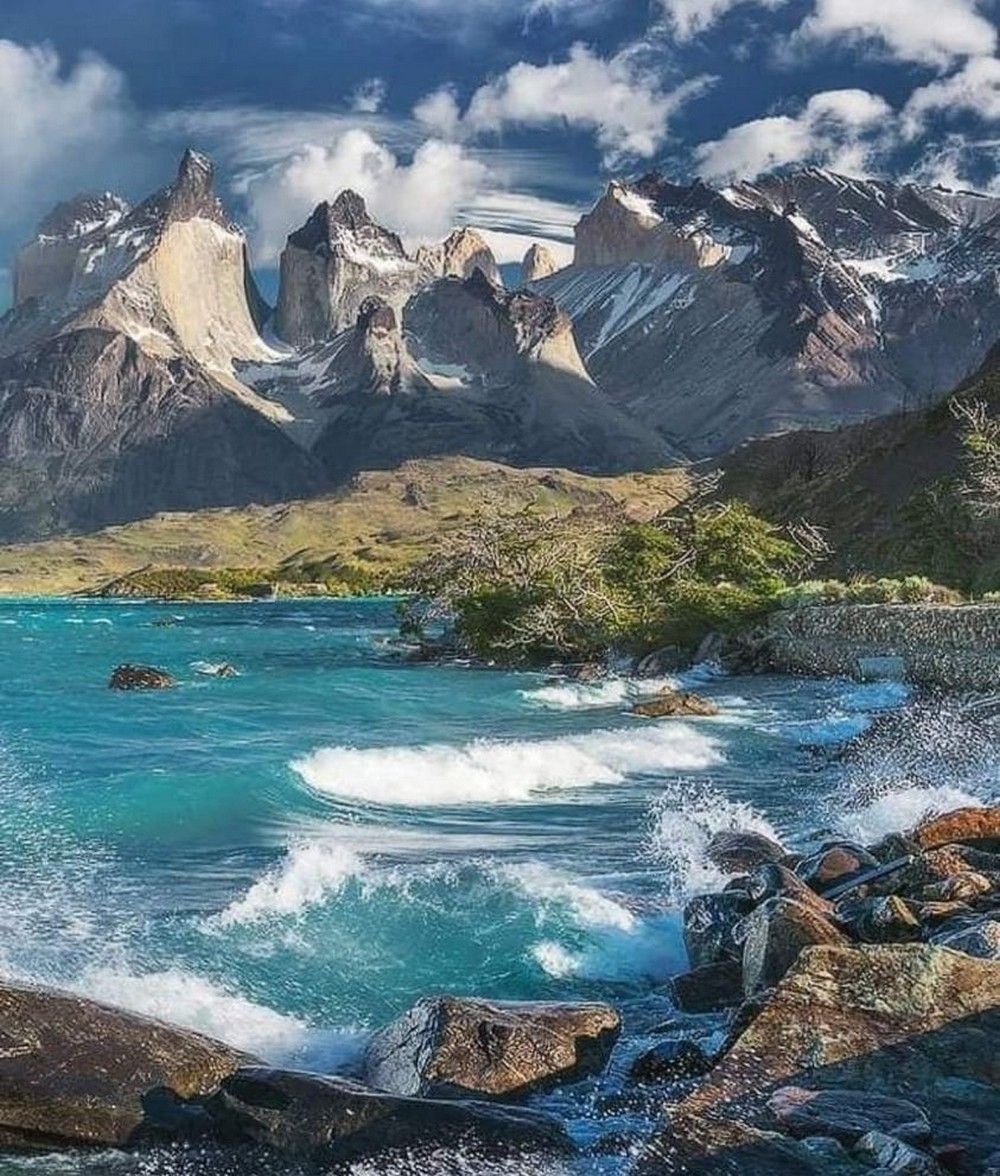
Torres del Paine National Park is a stunning wilderness in Chilean Patagonia, renowned for its dramatic granite peaks that soar up to 2,500 meters high. The park's iconic landscape features vibrant blue glaciers, crystal-clear lakes, and rugged terrain that attracts adventurers from around the world.
@Bongbongyeue3/reddit.com
Home to unique wildlife like guanacos and Andean condors, this UNESCO Biosphere Reserve offers hikers the famous W Trek, a challenging route that winds through some of the most spectacular scenery in South America.
Fiordland National Park, New Zealand
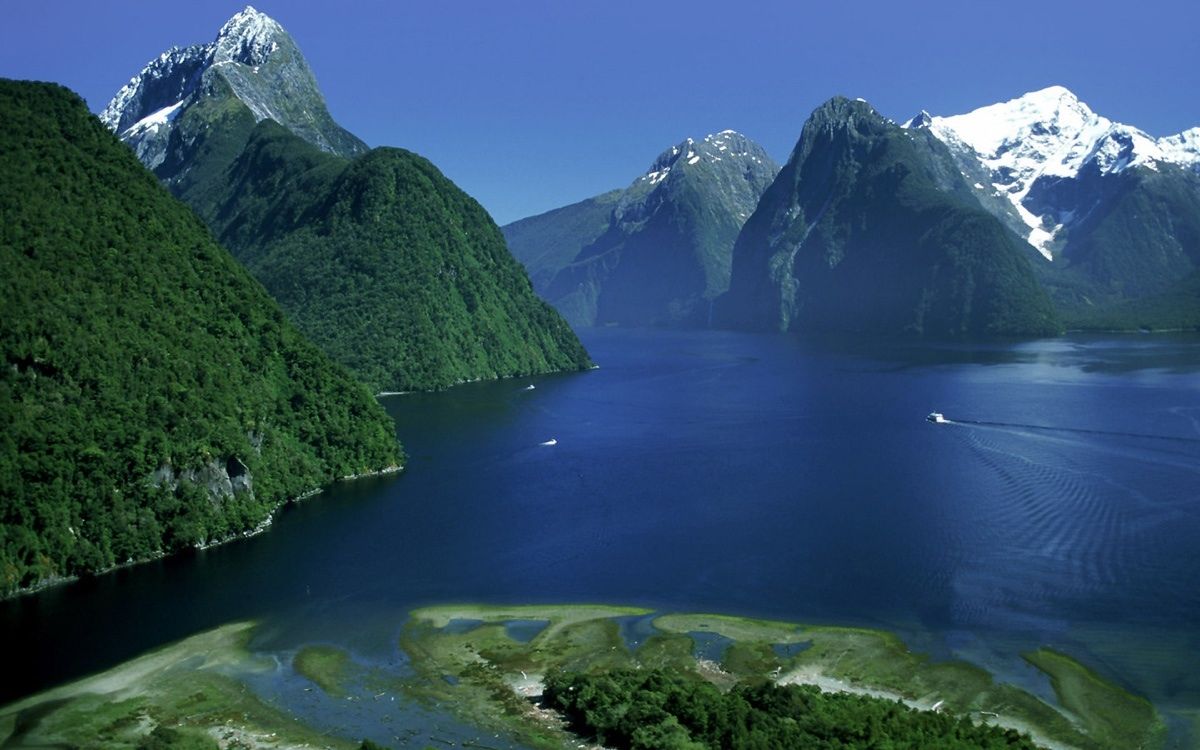
Fiordland National Park is a pristine wilderness in New Zealand's South Island, spanning over 1.2 million hectares of breathtaking landscape. Carved by ancient glaciers, the park is famous for its spectacular Milford Sound, a stunning fjord surrounded by near-vertical cliff faces and cascading waterfalls that plunge directly into the dark blue waters below.
@Secres/reddit.com
The park is part of the Te Wahipounamu World Heritage Area, protecting an incredibly diverse ecosystem of temperate rainforests, alpine landscapes, and marine environments.
Kruger National Park, South Africa
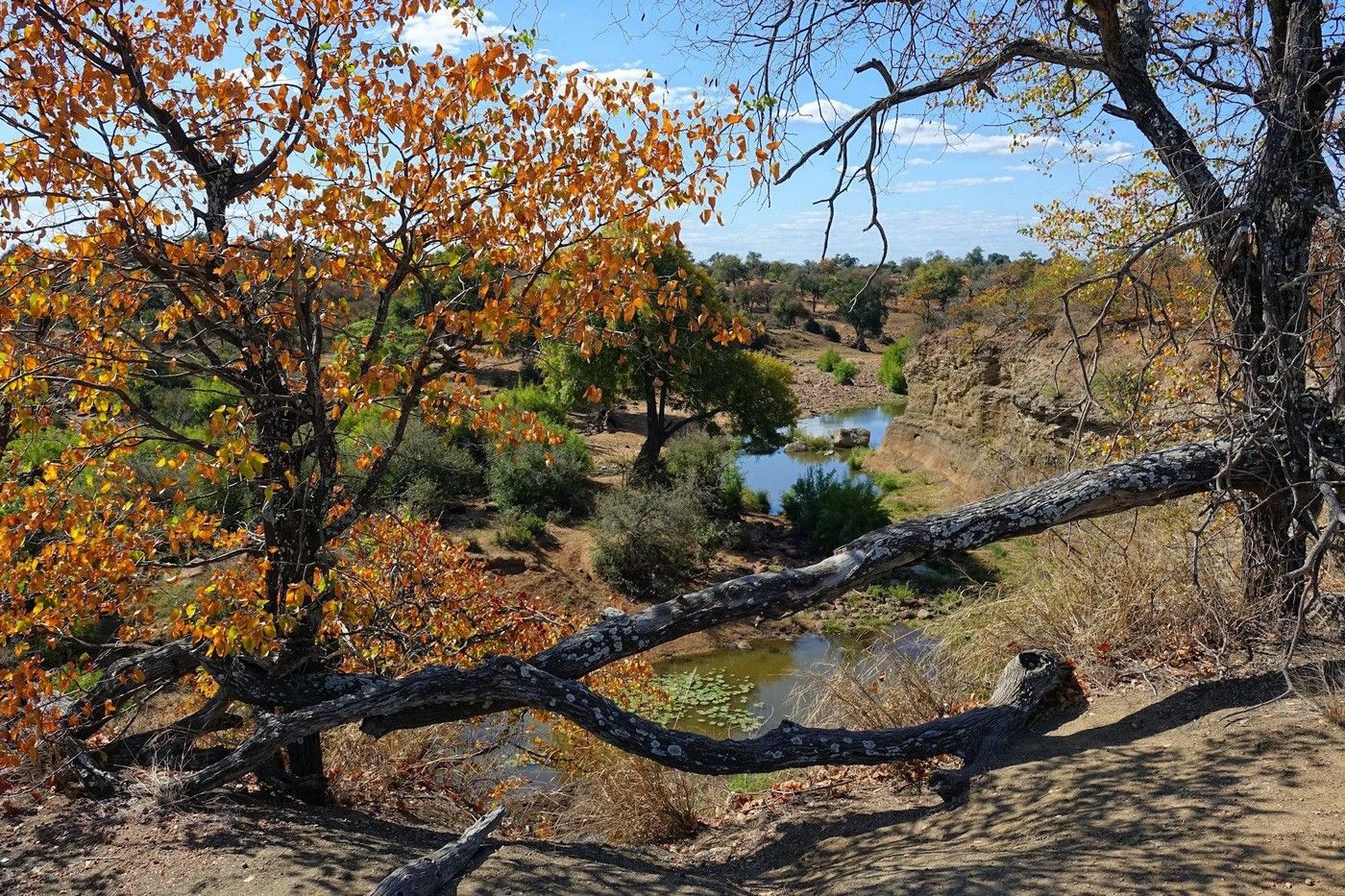
Kruger National Park stands as a testament to Africa's wild heart, stretching across nearly 20,000 square kilometers of pristine wilderness in northeastern South Africa. This iconic park is a sanctuary of remarkable biodiversity, where ancient baobab trees and golden grasslands provide a backdrop for some of the most extraordinary wildlife encounters on the planet.
@uspn/reddit.com
Home to over 147 mammal species, the park offers visitors a chance to witness the legendary Big Five in their natural habitat – lions prowling through tall grasses, massive herds of elephants traversing ancient migration routes, and elusive leopards hiding in rocky outcrops.
Galapagos National Park, Ecuador
Galapagos National Park, located 600 miles off the coast of Ecuador, is a living laboratory of evolution that captivates scientists and nature enthusiasts alike. Established in 1959, the park protects 97% of the archipelago's land area, preserving an extraordinary ecosystem that harbors species found nowhere else on Earth.
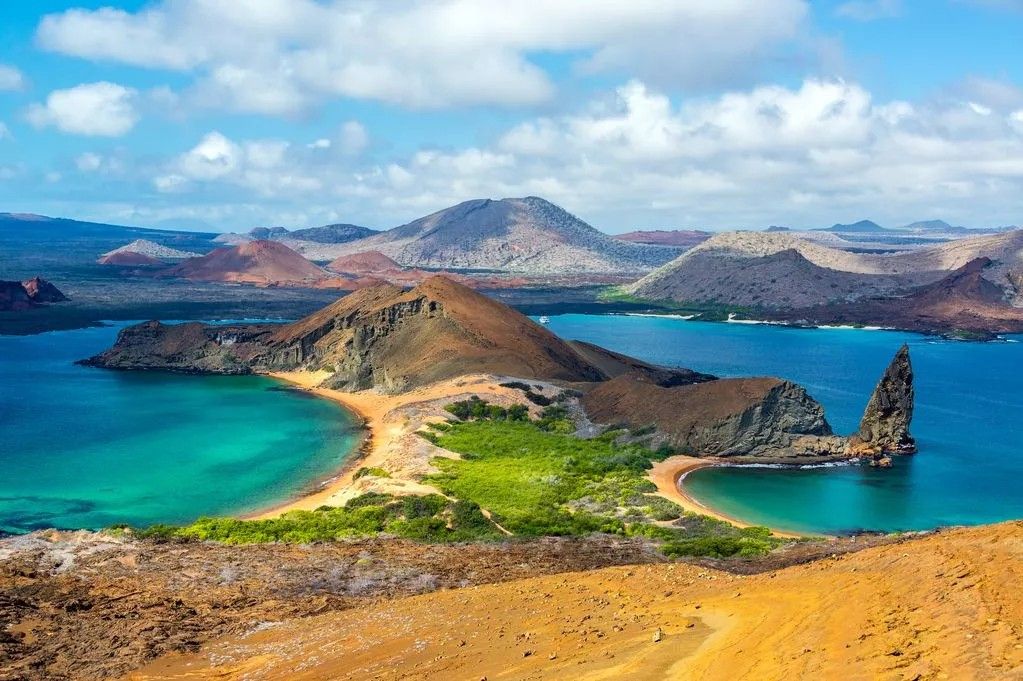
@quicktwistoftheknife/reddit.com
The islands are home to iconic wildlife like marine iguanas, giant tortoises, and unique bird species such as the blue-footed booby and Darwin's finches – the very creatures that inspired Charles Darwin's groundbreaking theory of natural selection.
Plitvice Lakes National Park, Croatia
Recognized as a UNESCO World Heritage Site, the Plitvice Lakes National Park spans 300 square kilometers of pristine wilderness, featuring unique geological formations that create a stunning palette of turquoise, azure, and emerald waters.
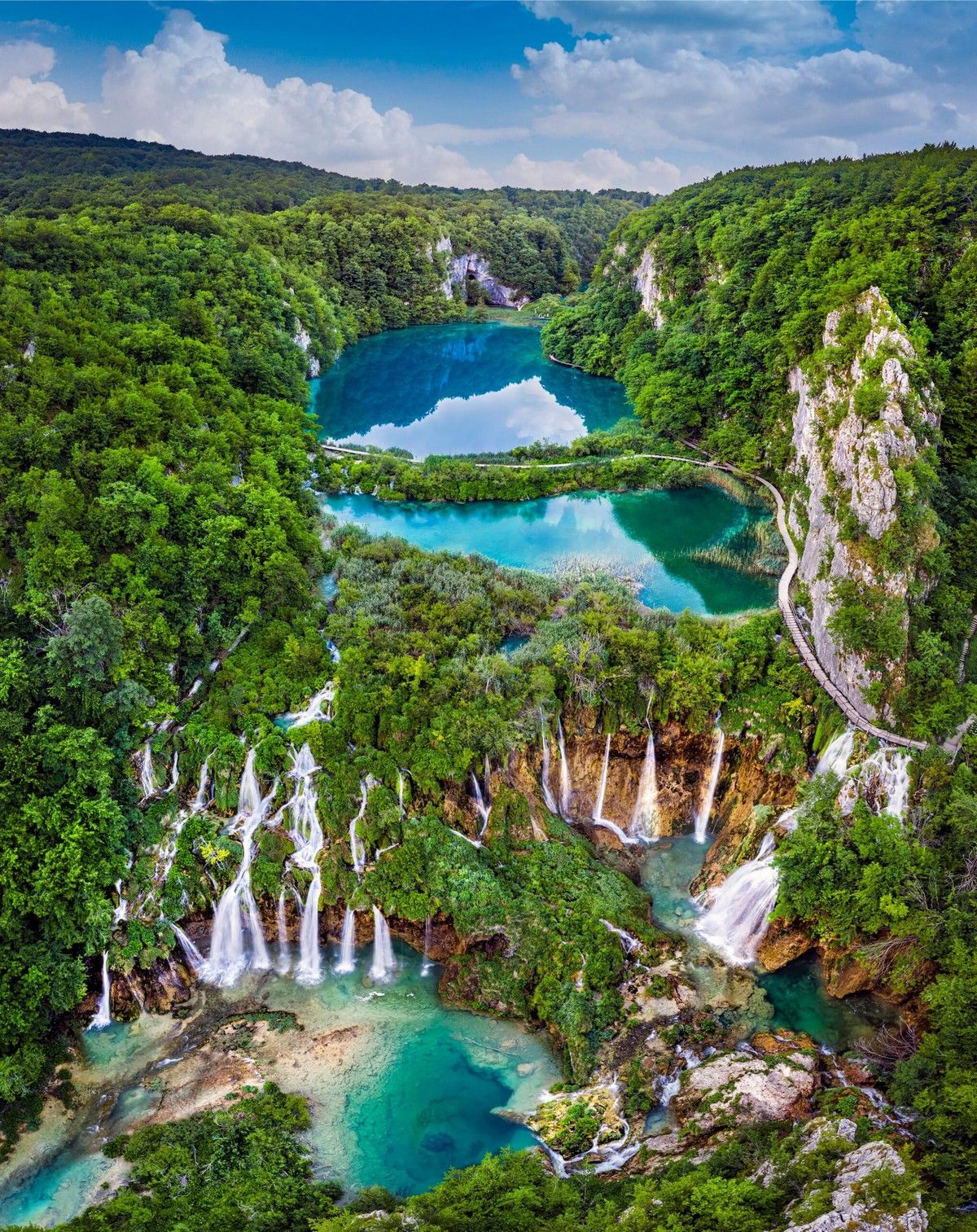
@ledim35/reddit.com
The lakes are separated by natural travertine barriers, which are continuously formed by the interaction of water, air, and specific types of moss and bacteria. Dense forests of beech, spruce, and fir trees surround the lakes, providing habitat for diverse wildlife including bears, wolves, and numerous rare bird species.
Jasper National Park, Canada
Towering peaks, shimmering glaciers, and untamed wilderness define Jasper National Park, a breathtaking gem in the Canadian Rockies. As the largest national park in Alberta, spanning over 11,000 square kilometers, Jasper offers an awe-inspiring escape into the natural world.
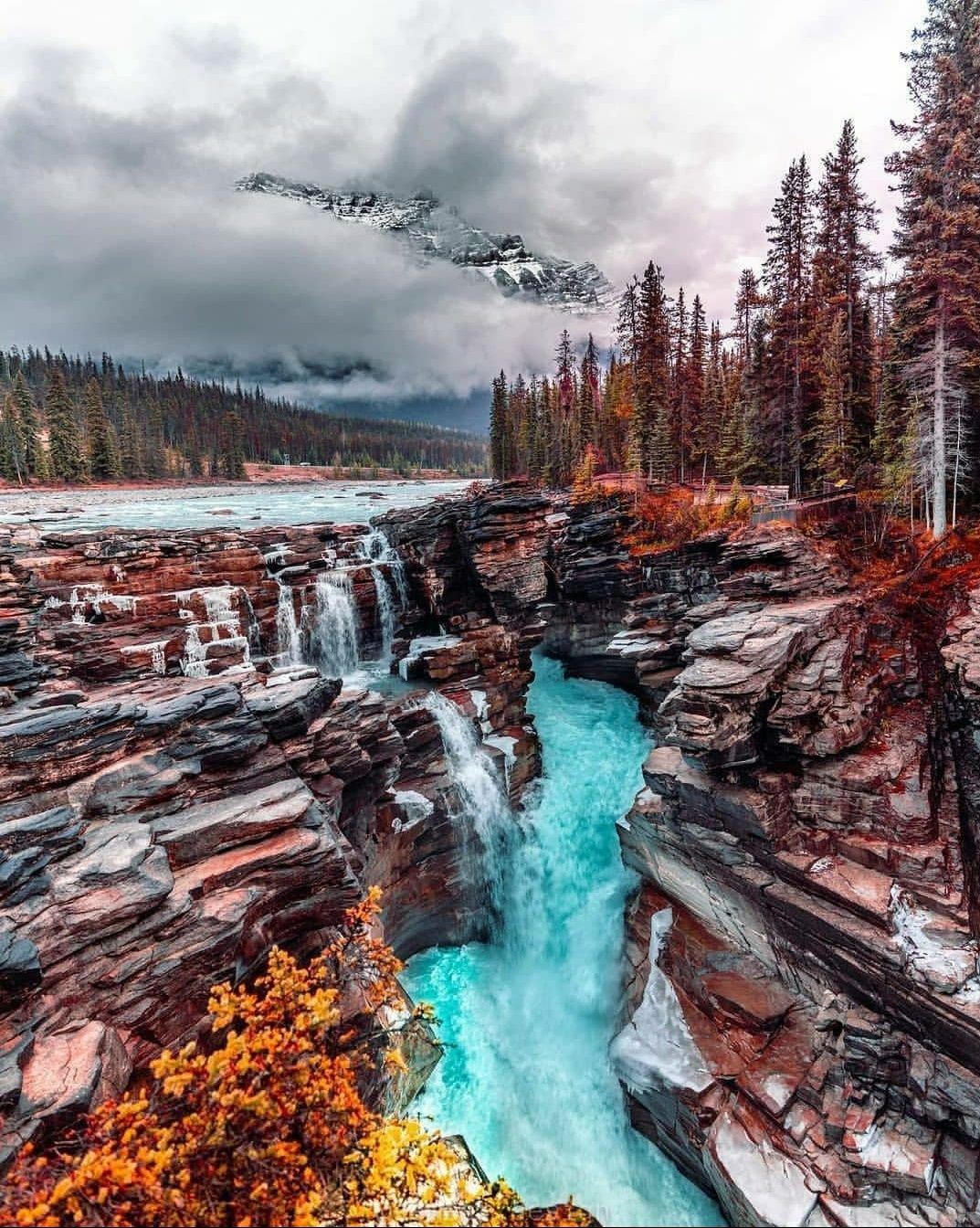
@PuzzleheadedOne1428/reddit.com
Home to the iconic Columbia Icefield, visitors can explore ancient ice on guided glacier tours or experience dizzying heights at the Glacier Skywalk. The world-famous Icefields Parkway connects Jasper to Banff, leading travelers past turquoise lakes, rugged cliffs, and waterfalls like the mighty Athabasca Falls.
Grand Canyon National Park, USA
A timeless spectacle of nature's grandeur, Grand Canyon National Park stands as one of the United States' most breathtaking destinations. This iconic landmark boasts vast, panoramic vistas that stretch as far as the eye can see, revealing the immense scale and depth of the canyon.
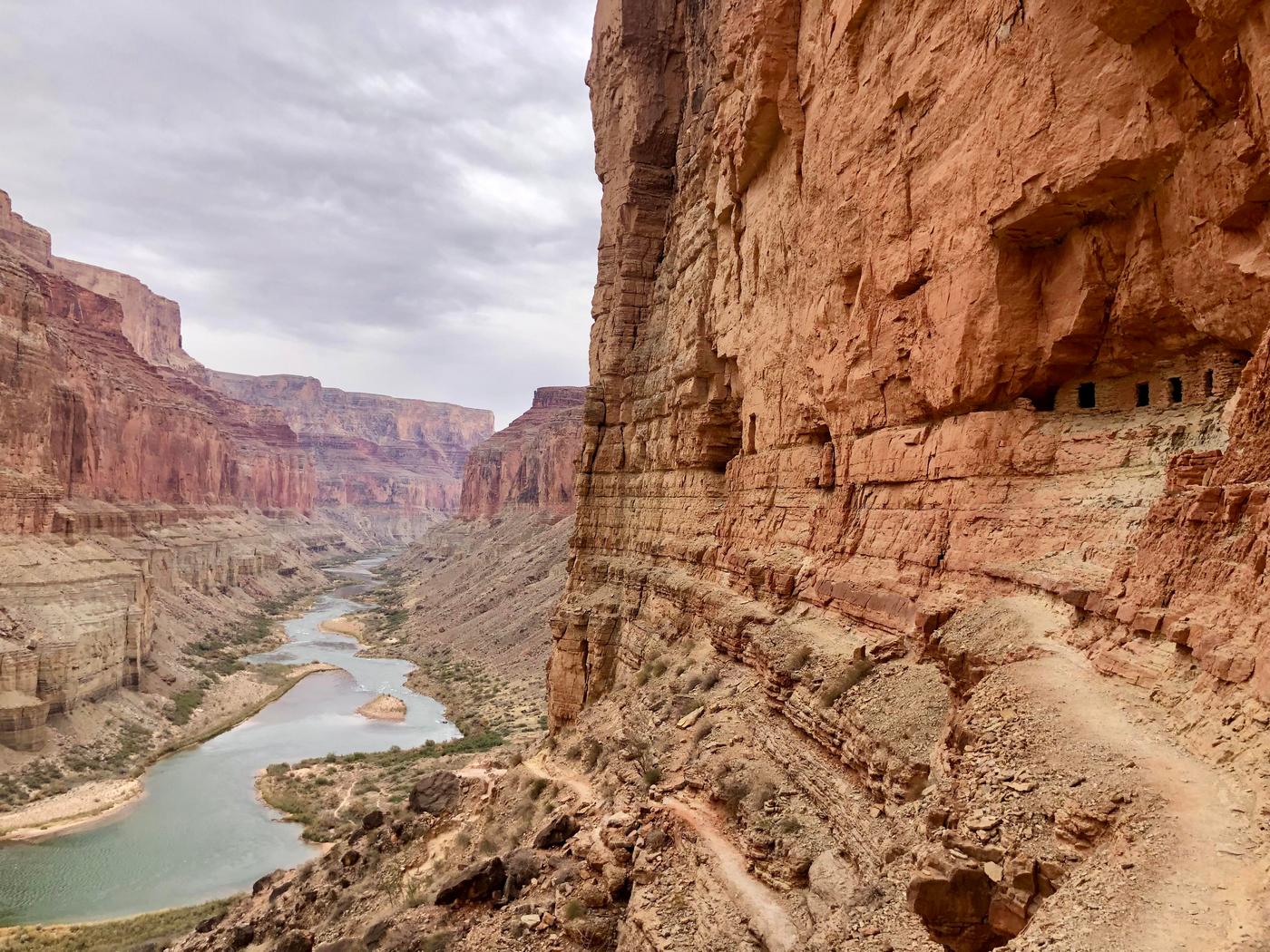
@NationalPark/reddit.com
Carved by the relentless flow of the mighty Colorado River over millennia, the canyon offers a glimpse into the planet's past. The winding river snakes its way to the bottom, a ribbon of water that continues to shape this dramatic landscape.
Zion National Park, USA
Zion National Park in Utah is a breathtaking landscape defined by its colossal sandstone cliffs, some reaching up to 2,200 feet and showcasing vibrant hues of orange and red. Named "Zion" by Mormon pioneers, meaning "sanctuary," the park offers refuge to diverse life.
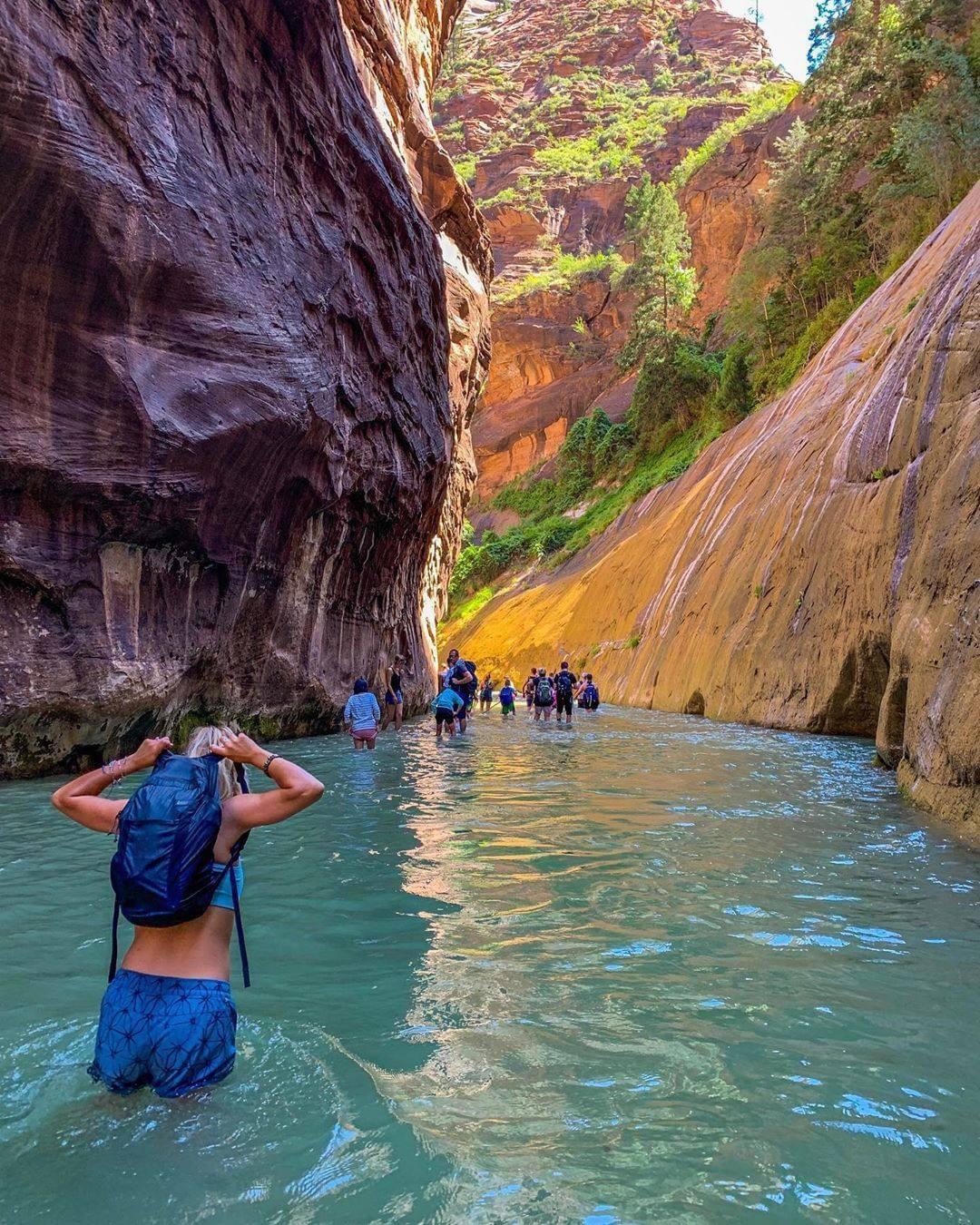
@starkt442/reddit.com
The Virgin River has carved remarkable narrow canyons, including the iconic "Narrows," where hikers wade through the water between towering walls. This steep river drops an impressive 71 feet per mile within the park.
Vatnajokull National Park, Iceland
Vatnajokull National Park in Iceland is a realm of contrasts, where ice and fire meet. As home to Vatnajokull, Europe's largest glacier by volume, covering about 8% of Iceland, the park presents an awe-inspiring icy expanse. Beneath this massive ice cap, which can reach thicknesses of up to 950 meters, lie several active volcanoes, shaping the volcanic landscapes of the region.
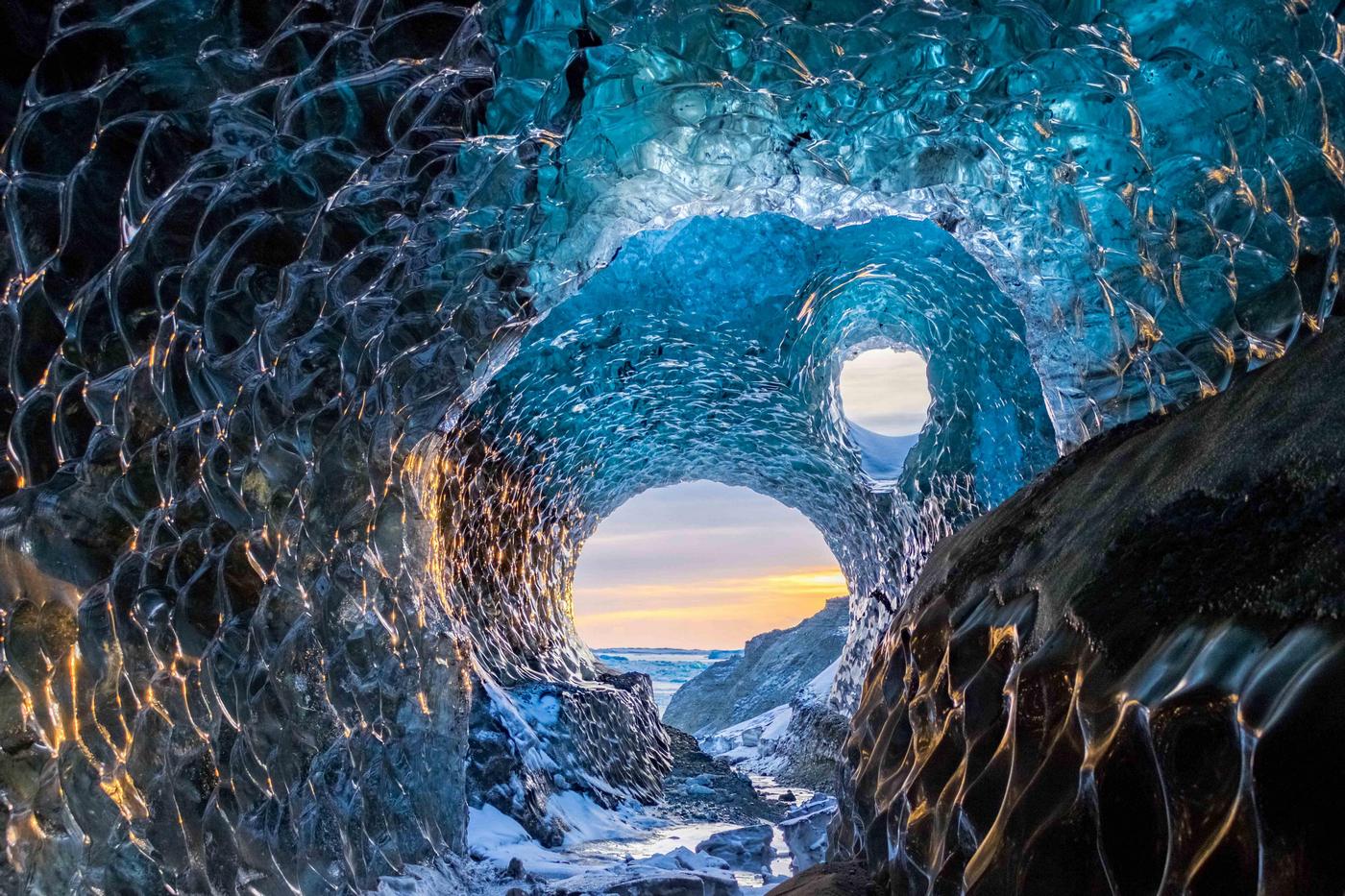
@heather_bmx/reddit.com
One of the park's unique attractions is its mesmerizing ice caves, formed by meltwater flowing beneath the glacier. These caves often display stunning blue hues and intricate ice formations, though their size and shape change annually.
Canaima National Park, Venezuela
Canaima National Park is a land of wonders in Venezuela. It is home to Angel Falls, the tallest waterfall in the world. Water plunges 979 meters (3,212 feet) from Auyan-tepui, a giant table-top mountain. The park covers nearly 30,000 square kilometers of untouched wilderness.
@asa1/reddit.com
It is filled with tepuis, ancient plateaus that are over two billion years old. These unique formations inspired The Lost World by Arthur Conan Doyle. Rare plants and animals live here, found nowhere else on Earth. The Pemon people call Angel Falls Kerepakupai Meru, meaning “waterfall of the deepest place.”
Sundarbans National Park, India and Bangladesh
Where land meets water in a maze of rivers and trees, Sundarbans National Park thrives as the world's largest mangrove forest. Spanning India and Bangladesh, this vast wilderness covers 10,000 square kilometers of tidal swamps, winding estuaries, and remote islands.
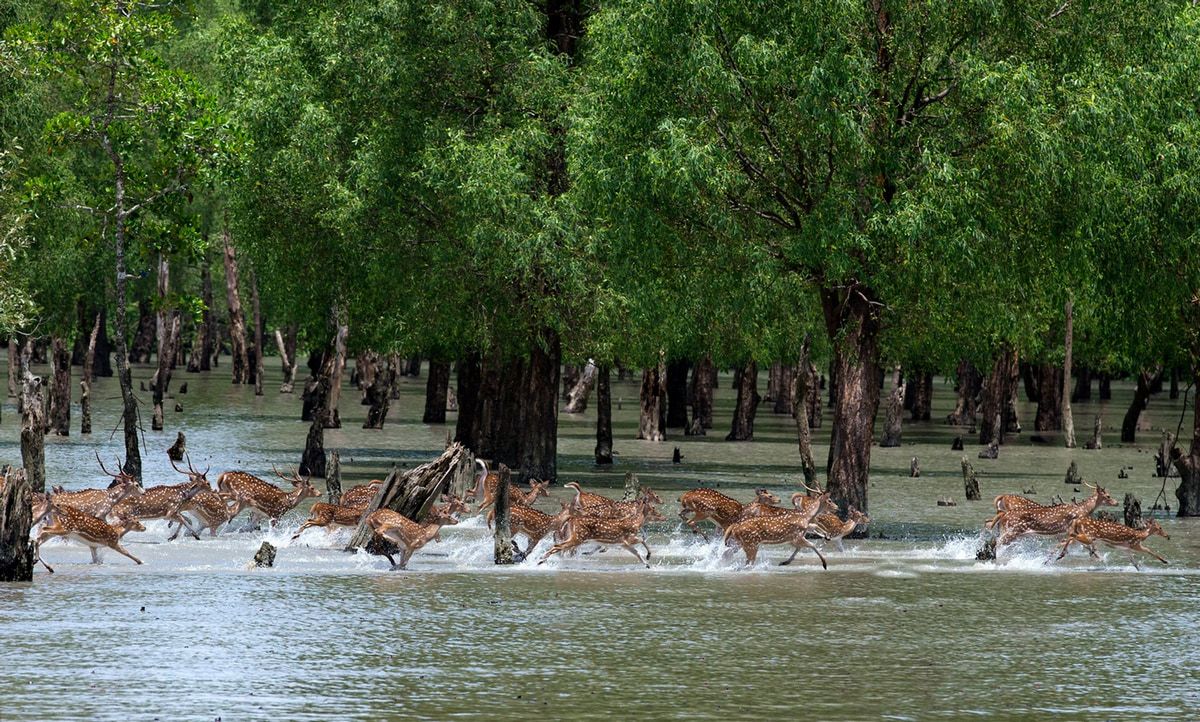
@UNESCO World Heritage National Parks/transindiaholidays.com
It is the kingdom of the Bengal tiger, a rare predator that swims between islands in search of prey. The forest also shelters saltwater crocodiles, Gangetic dolphins, and vibrant birdlife. Fed by the Ganges, Brahmaputra, and Meghna rivers, the Sundarbans act as a natural shield against cyclones and rising tides.
Goreme National Park, Turkey
The Goreme National Park is known as "fairy chimneys," shaped by volcanic eruptions and erosion over millions of years. For centuries, people have carved homes, churches, and monasteries into these soft rock formations. The park is home to ancient cave churches with stunning Byzantine frescoes, some dating back to the 10th century.
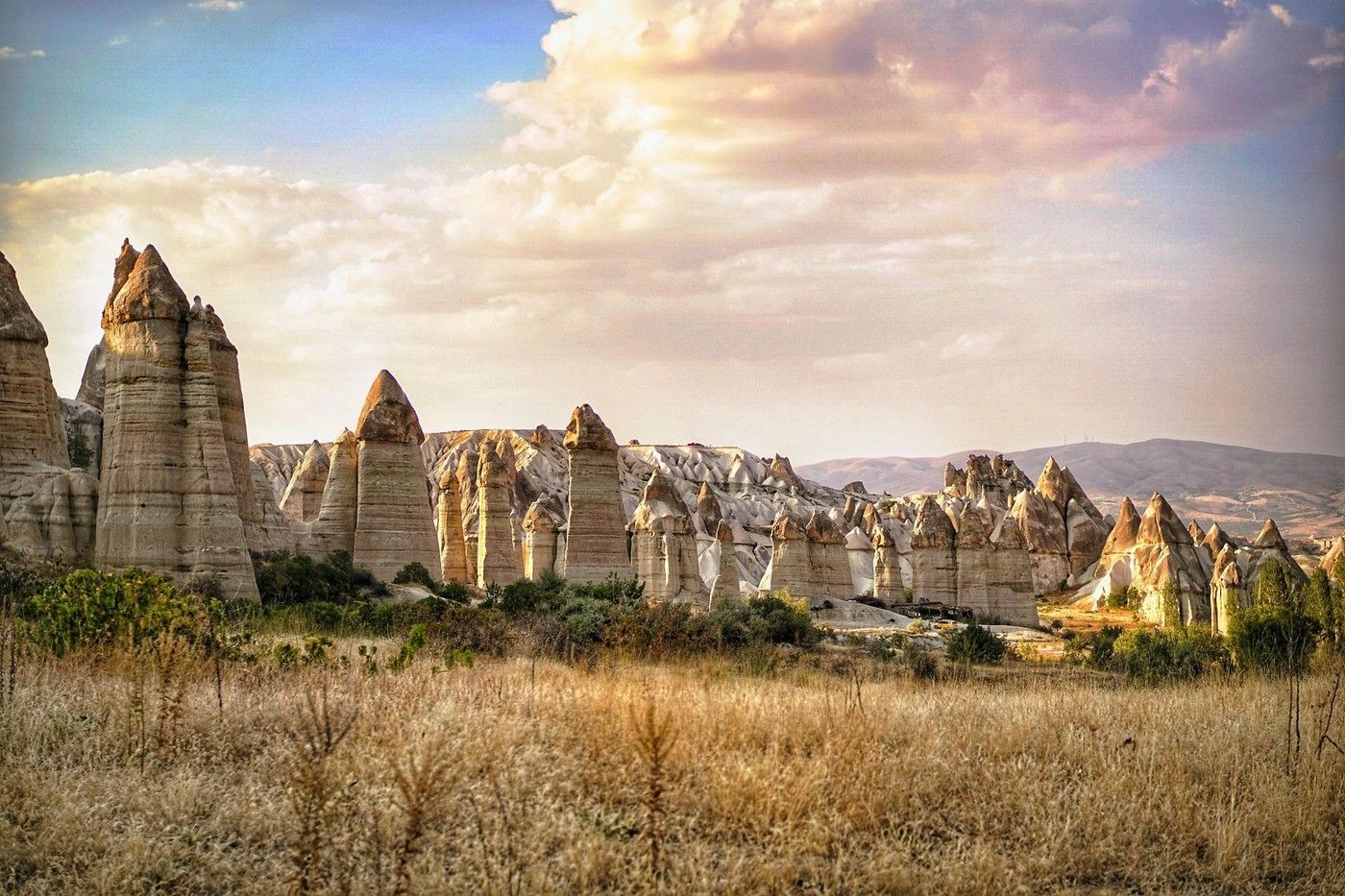
@intofarlands/reddit.com
Hot air balloons float over the landscape at sunrise, offering breathtaking views of the valleys and rock spires. Visitors can explore underground cities, hike through hidden canyons, or stay in unique cave hotels.
Rapa Nui National Park, Chile
Rapa Nui National Park, located on Easter Island, Chile, is a land of mystery and ancient wonders. It is home to the Moai statues, massive stone figures carved by the Rapa Nui people over 800 years ago. These towering statues, some weighing over 80 tons, remain one of the greatest archaeological mysteries in the world.
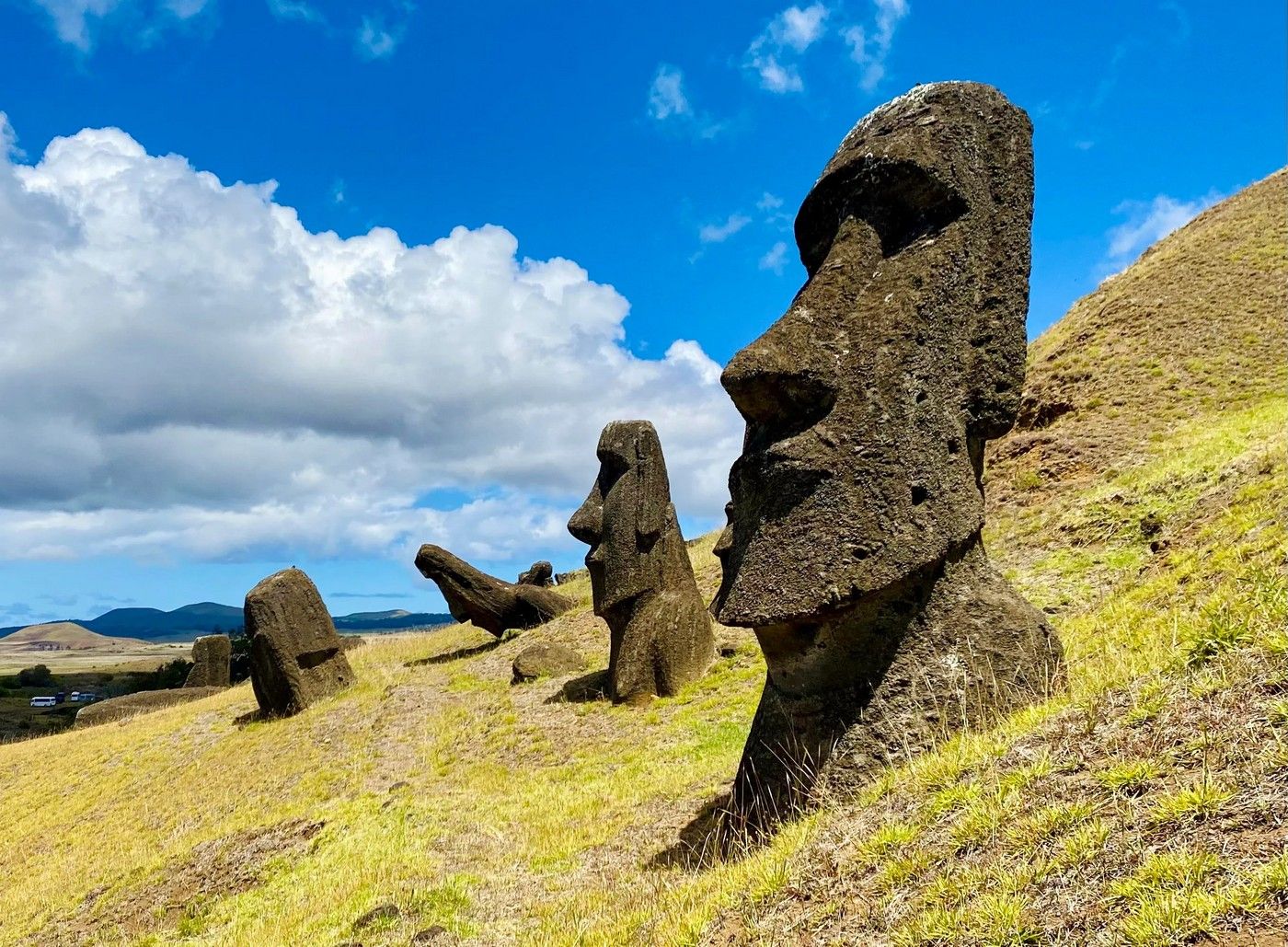
@divyyyy9/reddit.com
Rano Raraku, the volcanic quarry where most Moai were carved, still holds unfinished statues frozen in time. Beyond the Moai, visitors can explore ancient petroglyphs, lava tunnels, and the sacred village of Orongo, once used for the island’s famous Birdman ceremony.
Iguazu National Park, Argentina and Brazil
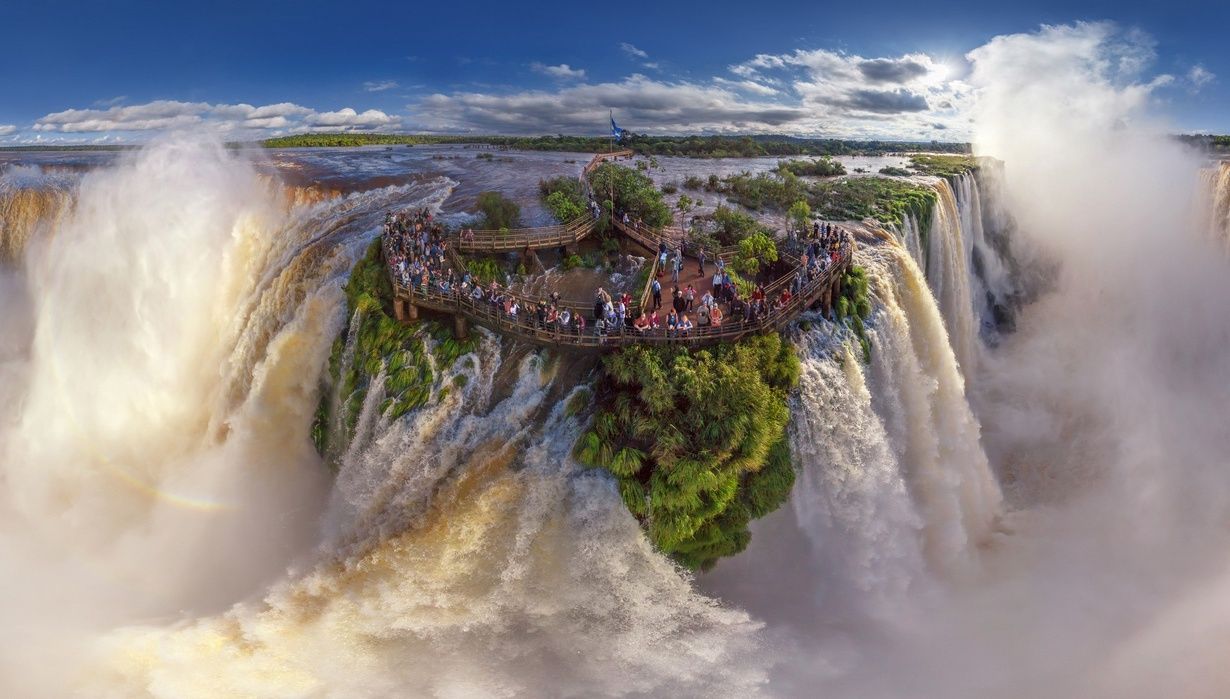
Iguazu National Park, straddling the border between Argentina and Brazil, is a living testament to the raw power and beauty of nature. Home to the magnificent Iguazu Falls, this UNESCO World Heritage site is where water tumbles over the edge of a vast cliff, creating a thunderous roar that can be heard from miles away.
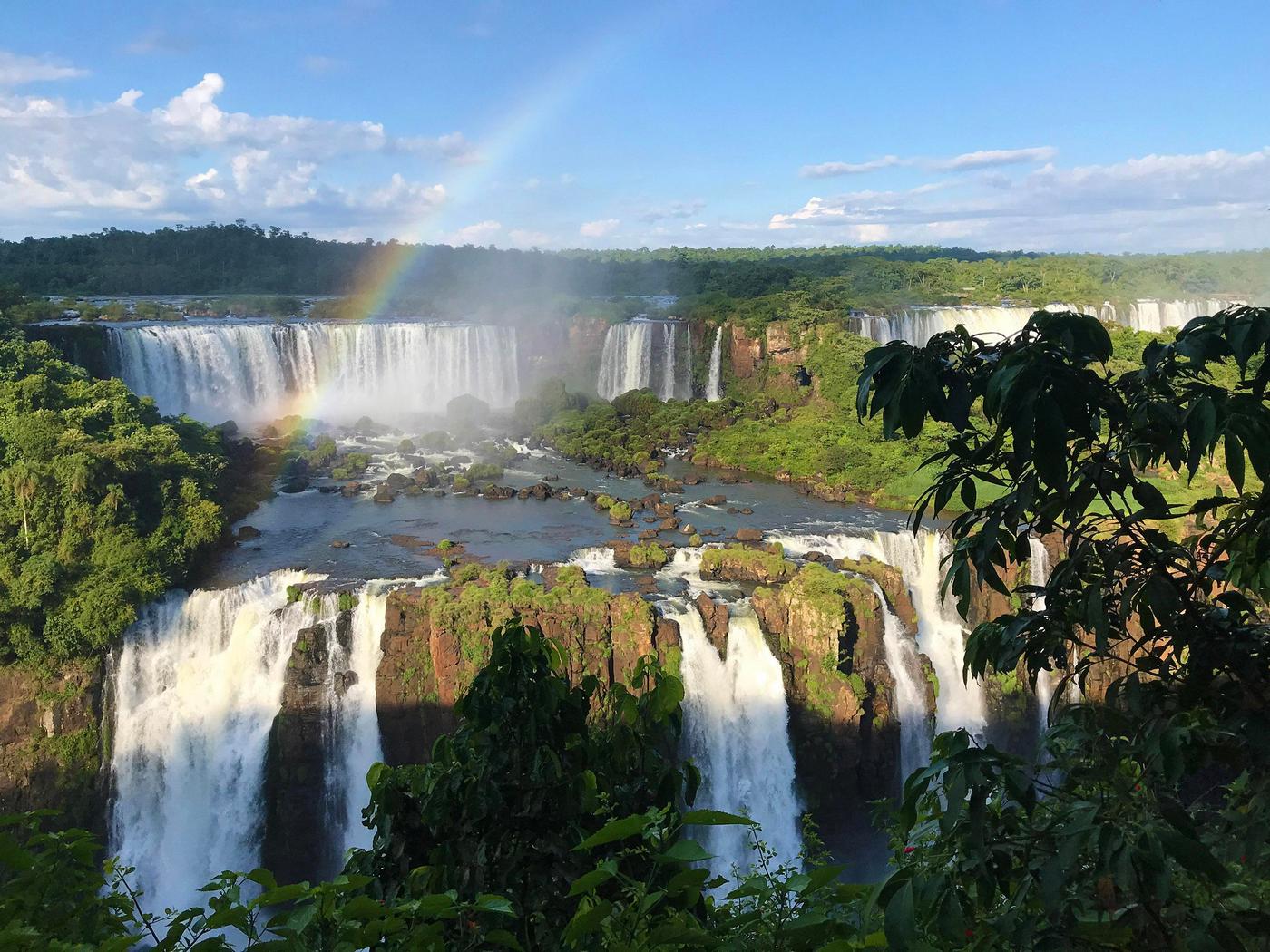
@sweart1/reddit.com
With over 275 individual falls spread across nearly two miles of the Iguazu River, the cascade is one of the most awe-inspiring natural wonders in the world. The park's lush rainforest adds to the magic, with towering trees and thick undergrowth housing a diverse array of wildlife. Brightly colored toucans and macaws flit through the canopy, while howler monkeys and coatis roam the forest floor.
Namib-Naukluft National Park, Namibia
Towering dunes and ancient landscapes combine in Namib-Naukluft National Park, one of the oldest and largest protected areas in Africa. This vast desert park is home to some of the world’s tallest red dunes, including the famous Dune 45, and otherworldly formations like the eerie Dead Vlei, where sun-bleached trees rise against the endless sands.
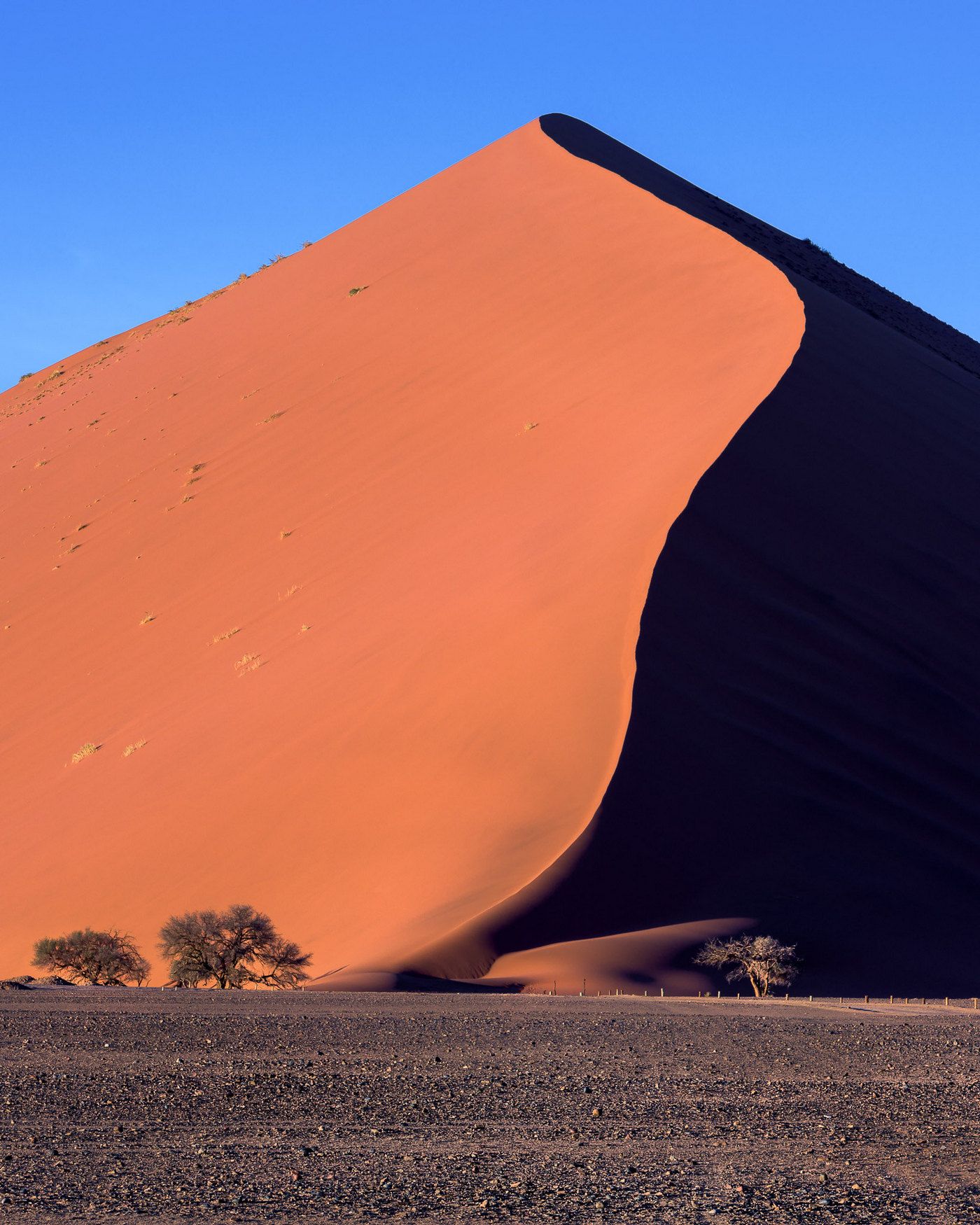
@ansharphoto/reddit.com
Beyond the dunes, the park offers rugged mountains, salt pans, and vast, empty plains. Despite the harsh environment, it shelters desert-adapted wildlife, including elephants, cheetahs, and oryx, all perfectly attuned to the extreme desert conditions.
Swiss National Park, Switzerland
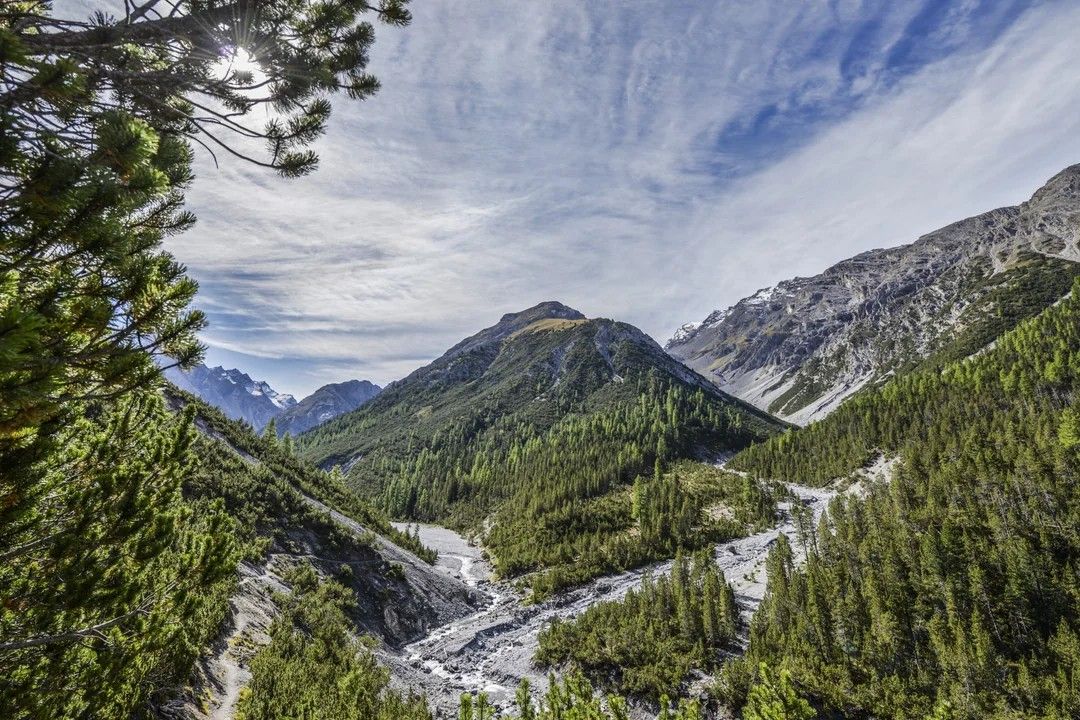
The Swiss National Park, the oldest park in the Alps, was established in 1914, it protects over 68,000 acres of rugged terrain in eastern Switzerland. This untouched landscape is home to a variety of species, from red deer and ibex to marmots and the majestic golden eagle.
@HelloThereItsMeAndMe/reddit.com
With no motor vehicles allowed, the park remains a peaceful escape where animals roam freely across alpine meadows and cliffs. This place is where the natural world thrives in its purest, most unspoiled form, offering an unforgettable experience for adventurers and wildlife enthusiasts alike.
Tikal National Park, Guatemala
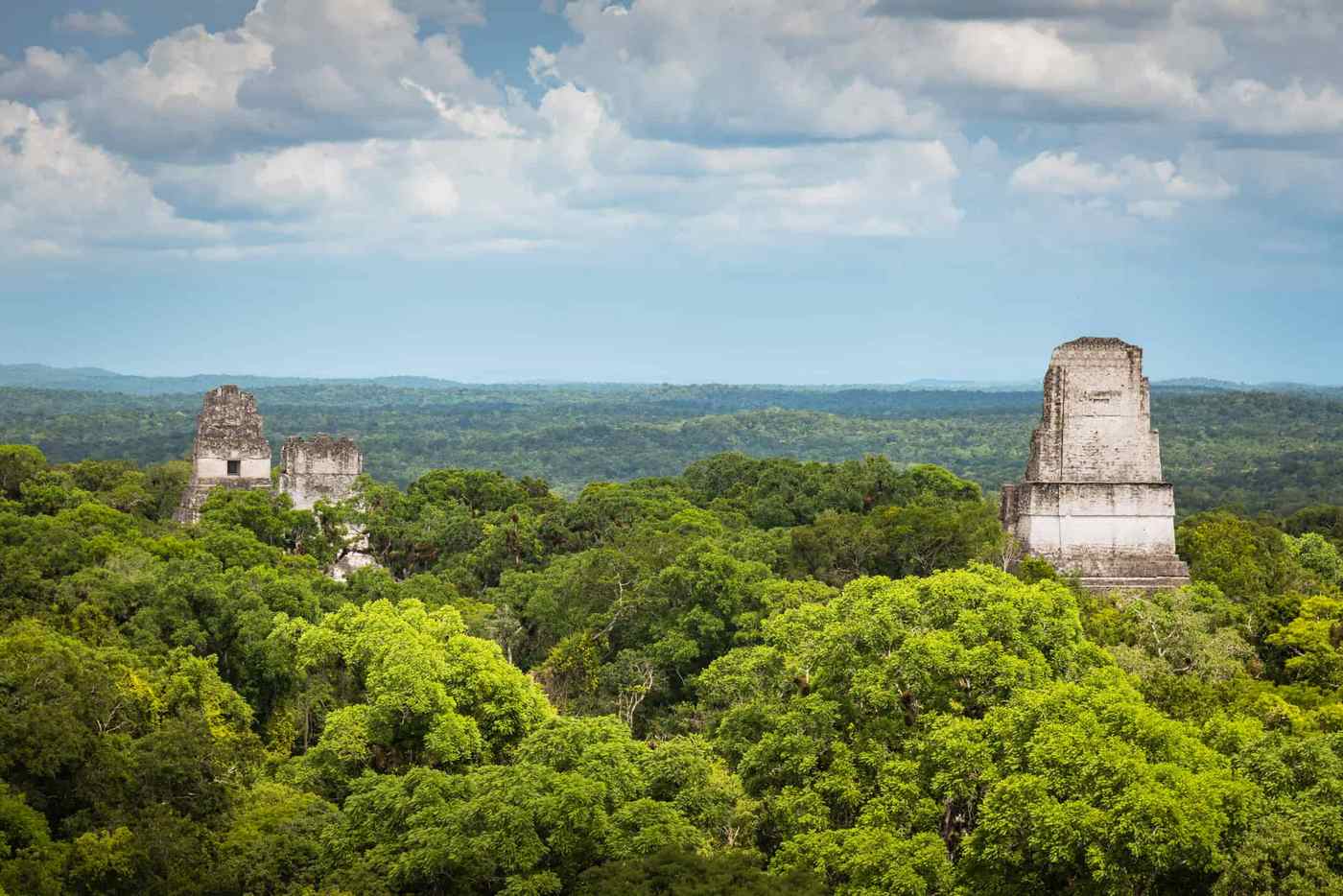
Ancient ruins, dense rainforests, and a rich history come together in Tikal National Park, a UNESCO World Heritage site in Guatemala. Hidden deep within the Mayan jungle, Tikal is one of the most impressive and well-preserved Mayan cities in Central America.
@andrewta/reddit.com
The park is home to towering pyramids, including the iconic Temple IV, which rises 70 meters above the forest canopy. The ruins are scattered across the park, with grand plazas, ball courts, and ceremonial structures that date back over 1,000 years.
Sequoia National Park, USA
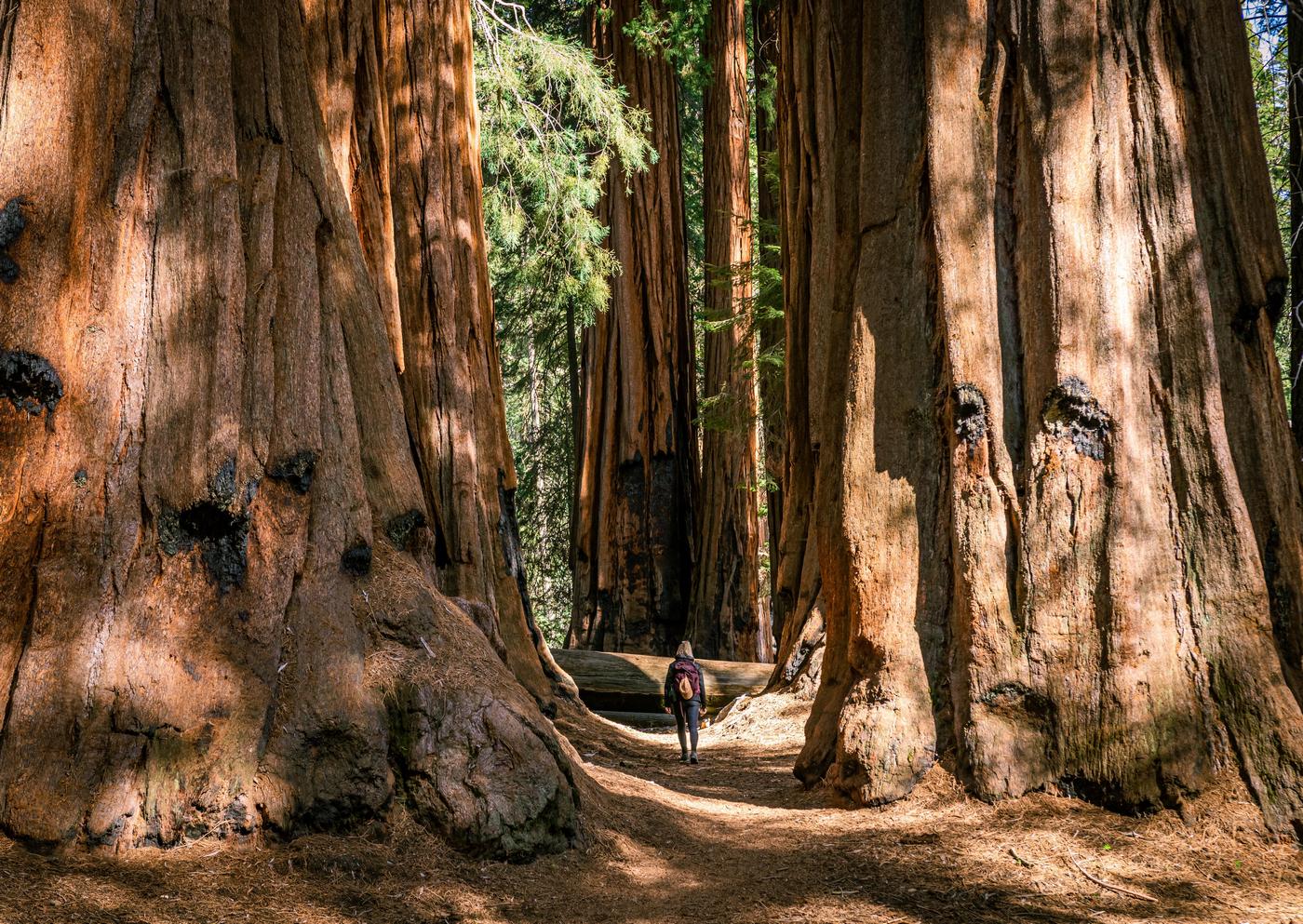
Sequoia National Park, California, is a living testament to nature’s grandeur, with its towering sequoia trees, including the awe-inspiring General Sherman Tree. As the largest tree by volume on Earth, General Sherman is a symbol of the park's ancient forests. Spanning over 400,000 acres, the park is home to some of the oldest and most massive trees, with some reaching over 3,000 years in age.
@AlekVT/reddit.com
Visitors can wander through the Giant Forest, marvel at the towering trees, and explore hiking trails that lead to breathtaking mountain views. With its remarkable trees and diverse ecosystems, Sequoia National Park offers an unforgettable natural experience.
Acadia National Park, USA
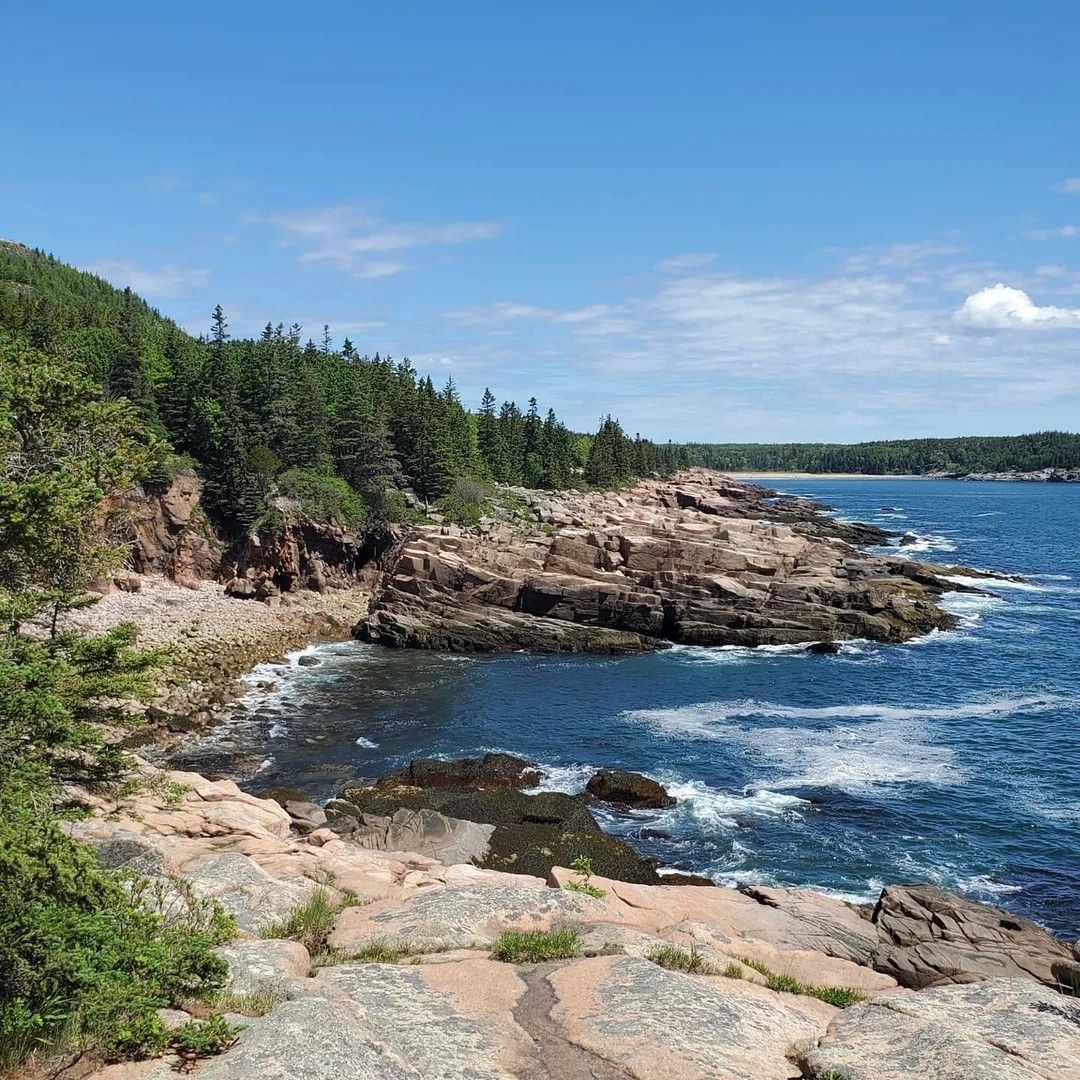
Nestled along the coast of Maine, Acadia National Park is renowned for its rugged beauty, where towering granite peaks meet the crashing waves of the Atlantic Ocean. The park’s landscapes range from dense woodlands and tranquil lakes to breathtaking cliffs and rocky shores.
@Galolio/reddit.com
Cadillac Mountain, the highest point in the park, offers panoramic views of the coastline, while scenic drives like the Park Loop Road. Acadia’s diverse wildlife, including seabirds and moose, adds to the allure, making it a must-visit destination for those seeking adventure and natural beauty.
Great Barrier Reef Marine Park, Australia
Beneath the azure waters off Australia’s coast lies the Great Barrier Reef, a mesmerizing world of vibrant coral formations and teeming marine life. Spanning over 2,300 kilometers, this UNESCO World Heritage site is the largest coral reef system on Earth, a true marvel of nature. Its kaleidoscope of colors, from neon corals to tropical fish.
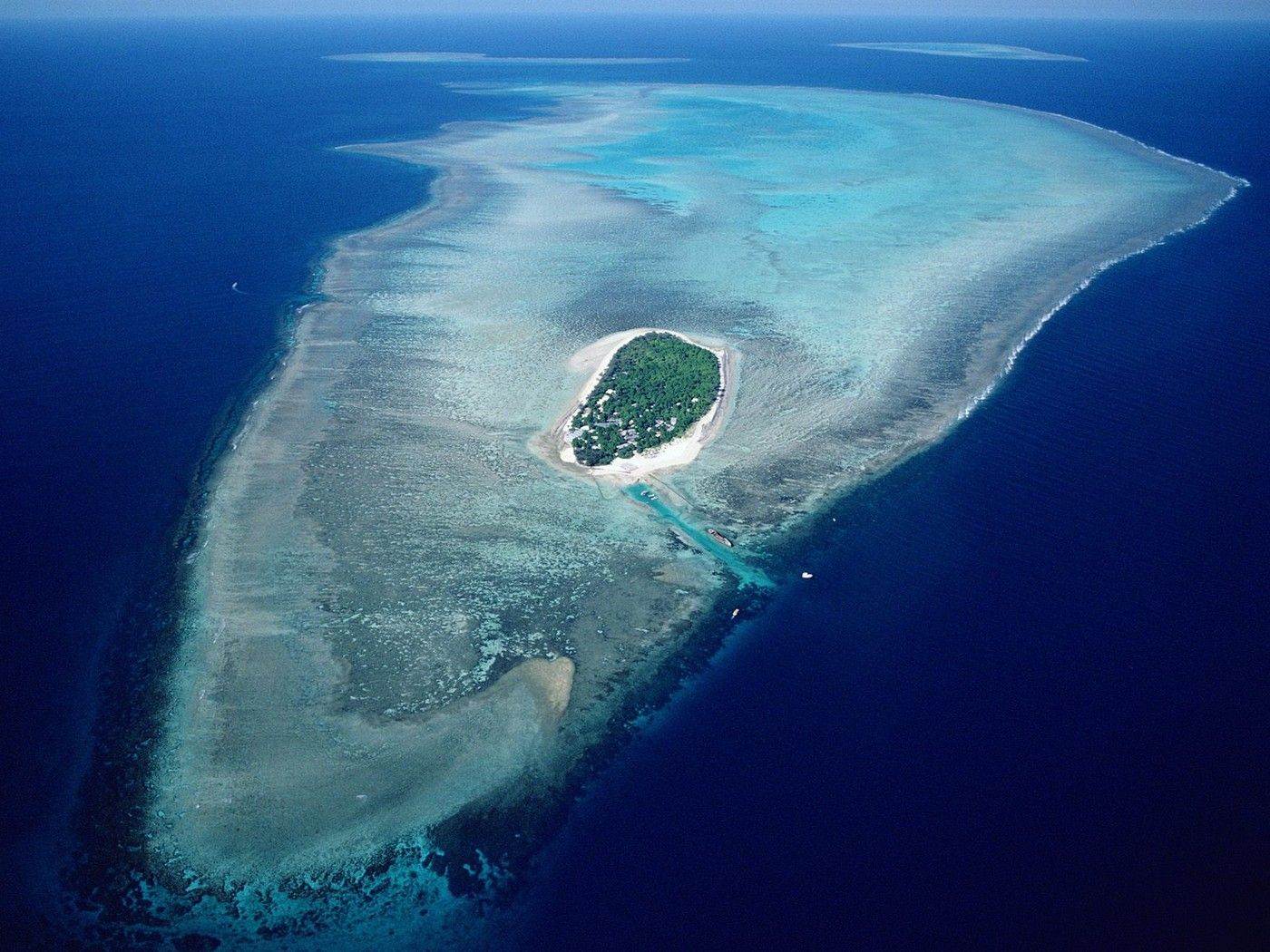
@moazam050/reddit.com
It creates an otherworldly landscape that attracts divers and explorers from every corner of the globe. Home to diverse species, including endangered sea turtles and rare marine life, the reef is not only a visual spectacle but also an irreplaceable ecosystem, crucial to the health of our oceans.
Komodo National Park, Indonesia
Komodo National Park, located in Indonesia, is famous for being the home of the Komodo dragon, the world’s largest lizard, which can grow up to 10 feet in length. This UNESCO World Heritage site is a haven for wildlife, both on land and beneath the sea. The park's rugged islands, including Komodo and Rinca, offer stunning landscapes where these formidable creatures roam freely.
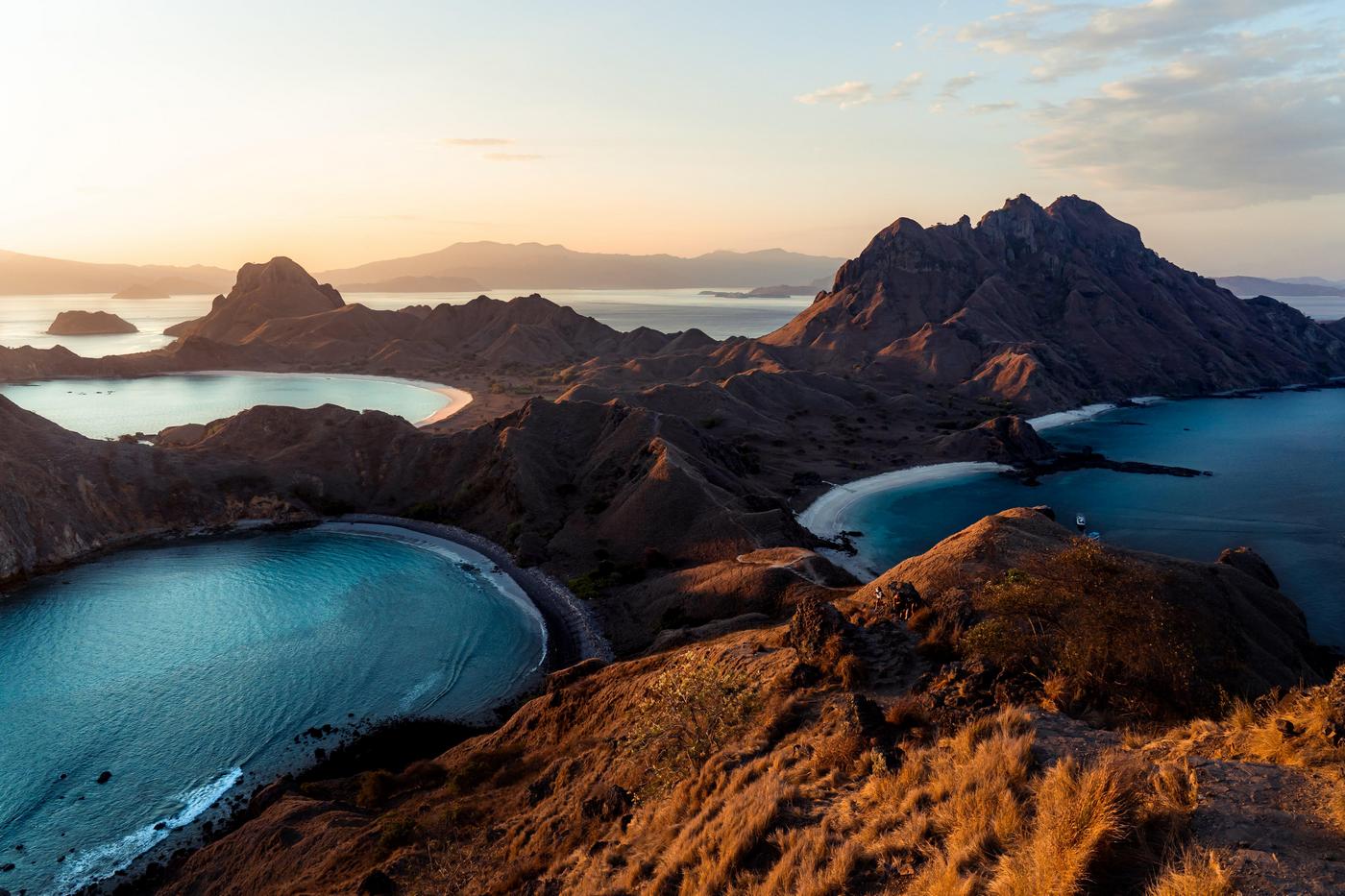
@mcrksman/reddit.com
Below the surface, the waters are teeming with marine life, including vibrant coral reefs, manta rays, and rare species, making it a diver’s paradise. With its unique wildlife and rich biodiversity, Komodo National Park remains one of the most extraordinary places on Earth.
Saxon Switzerland National Park, Germany
Saxon Switzerland National Park, nestled in eastern Germany, features dramatic sandstone cliffs, deep gorges, and dense forests. Known for its iconic rock formations, like the Bastei Bridge, the park offers spectacular views over the Elbe River and surrounding valleys.
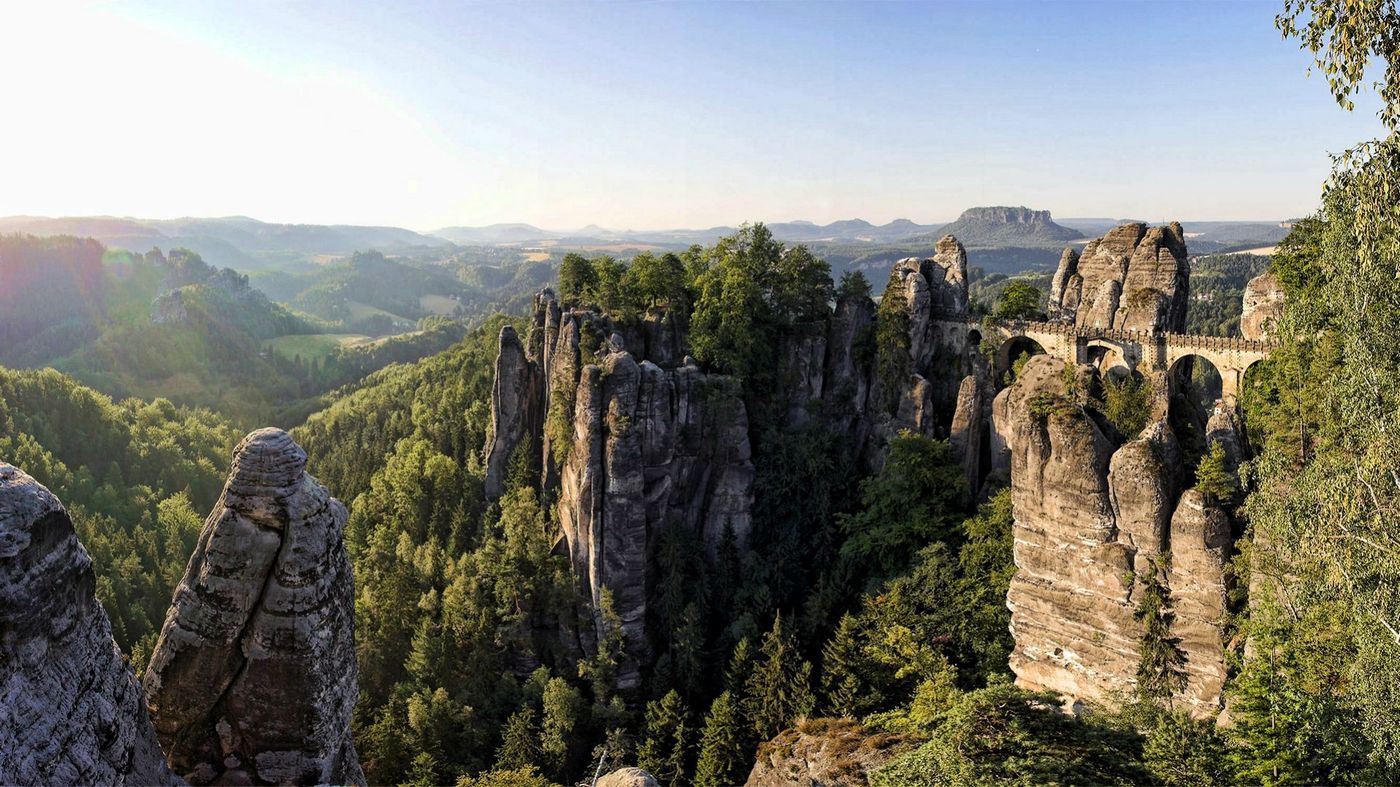
@Z3F/reddit.com
With over 400 kilometers of hiking trails and numerous rock climbing opportunities, it’s a paradise for outdoor enthusiasts. The park’s rich biodiversity and serene landscapes provide a peaceful retreat, making it a favorite destination for nature lovers and adventurers alike.
Arenal Volcano National Park, Costa Rica
Arenal Volcano National Park captivates visitors with its towering, active volcano and the surrounding lush tropical rainforests. The park offers a rare opportunity to witness volcanic activity while exploring scenic trails that lead to breathtaking viewpoints.
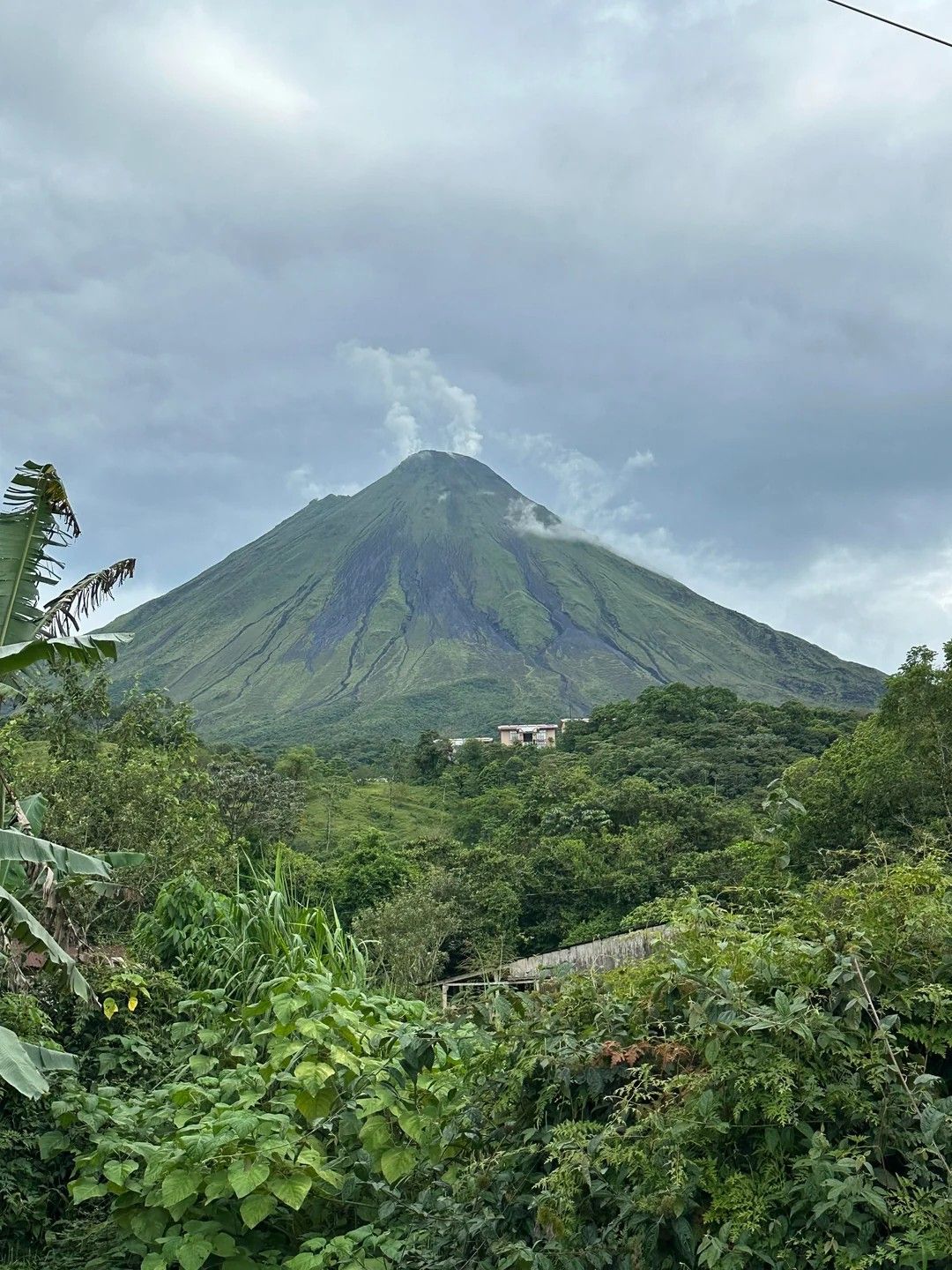
@Phil-Collinz/reddit.com
Wildlife abounds, with monkeys, sloths, and exotic birds living within the vibrant ecosystem. Soothing hot springs, heated by the volcano, provide a relaxing retreat amidst the natural beauty.
Bryce Canyon National Park, USA
Bryce Canyon National Park reveals a landscape where thousands of crimson-colored hoodoos rise like ancient spires from the earth. These bizarre, thin rock formations, carved by wind and water over millennia, create an enchanting maze of stone towers and amphitheaters.
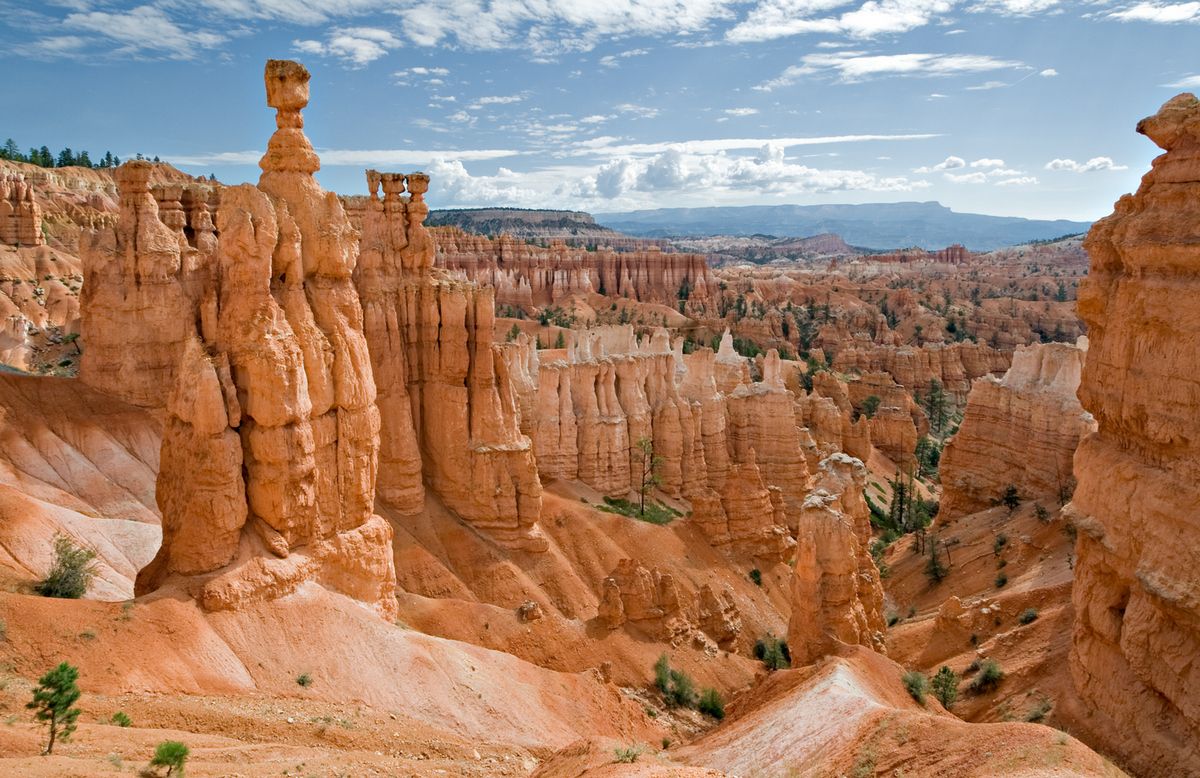
@chickeneye/reddit.com
The park’s surreal beauty attracts adventurers and photographers alike, offering stunning viewpoints and hiking trails through a vibrant, almost magical terrain.
Snowdonia National Park, Wales
Snowdonia National Park in Wales is a land of stunning landscapes. Home to Snowdon, the highest peak in Wales at 1,085 meters, it offers breathtaking views over rugged valleys, serene lakes, and charming villages. The park is a haven for hikers, with over 1,400 kilometers of footpaths and trails, including the famous Snowdon Horseshoe.
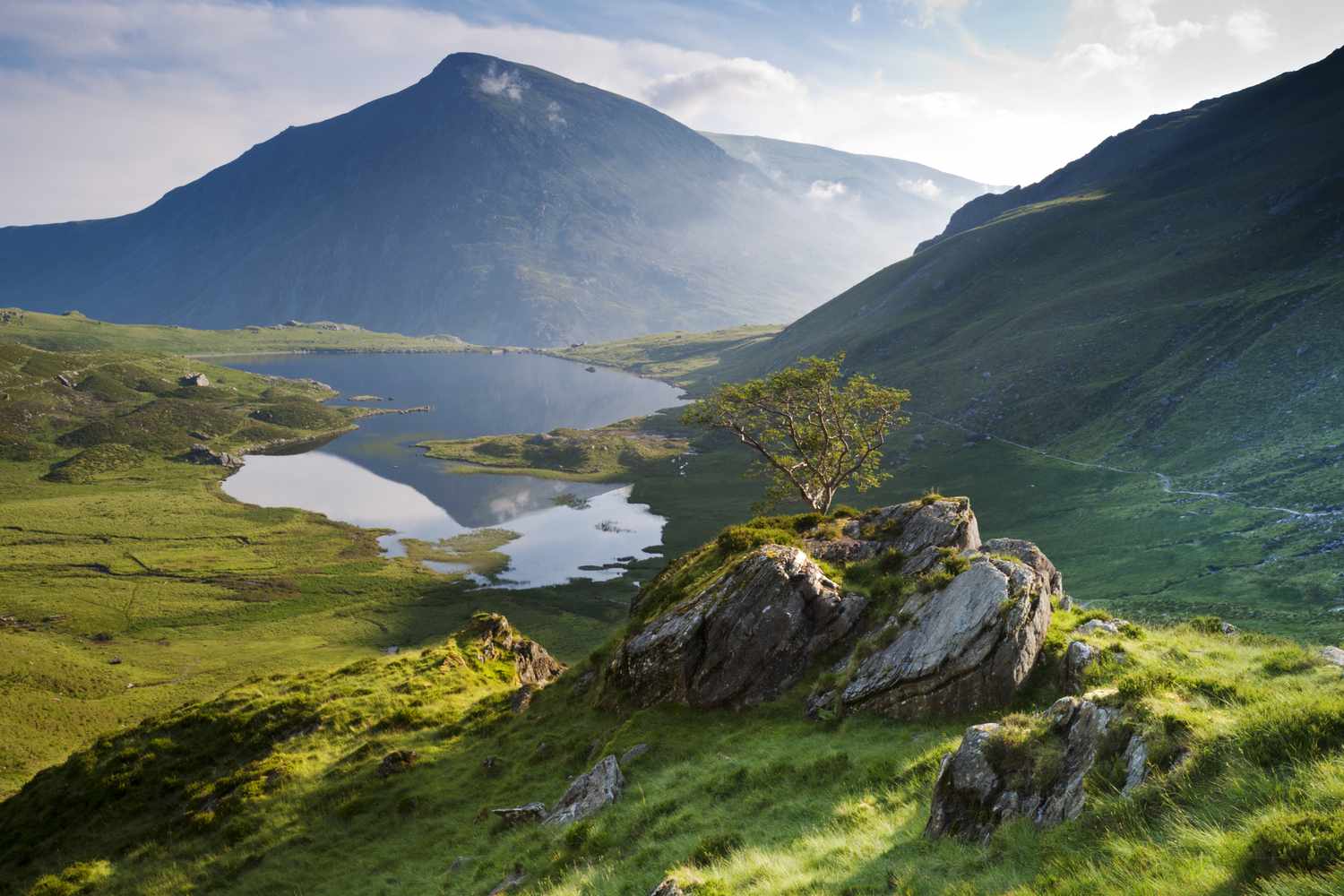
@dracarys_112/reddit.com
Snowdonia’s rich history includes ancient castles, slate mines, and even the legendary Welsh dragon, thought to roam the area’s valleys in folklore. The park is also home to a diverse range of wildlife, including rare species like the Snowdon lily.
Cinque Terre National Park, Italy
Cinque Terre National Park is home to five picturesque villages—Riomaggiore, Manarola, Corniglia, Vernazza, and Monterosso al Mare. Each offering a burst of color as they cling to steep cliffs, surrounded by terraced vineyards and olive groves.
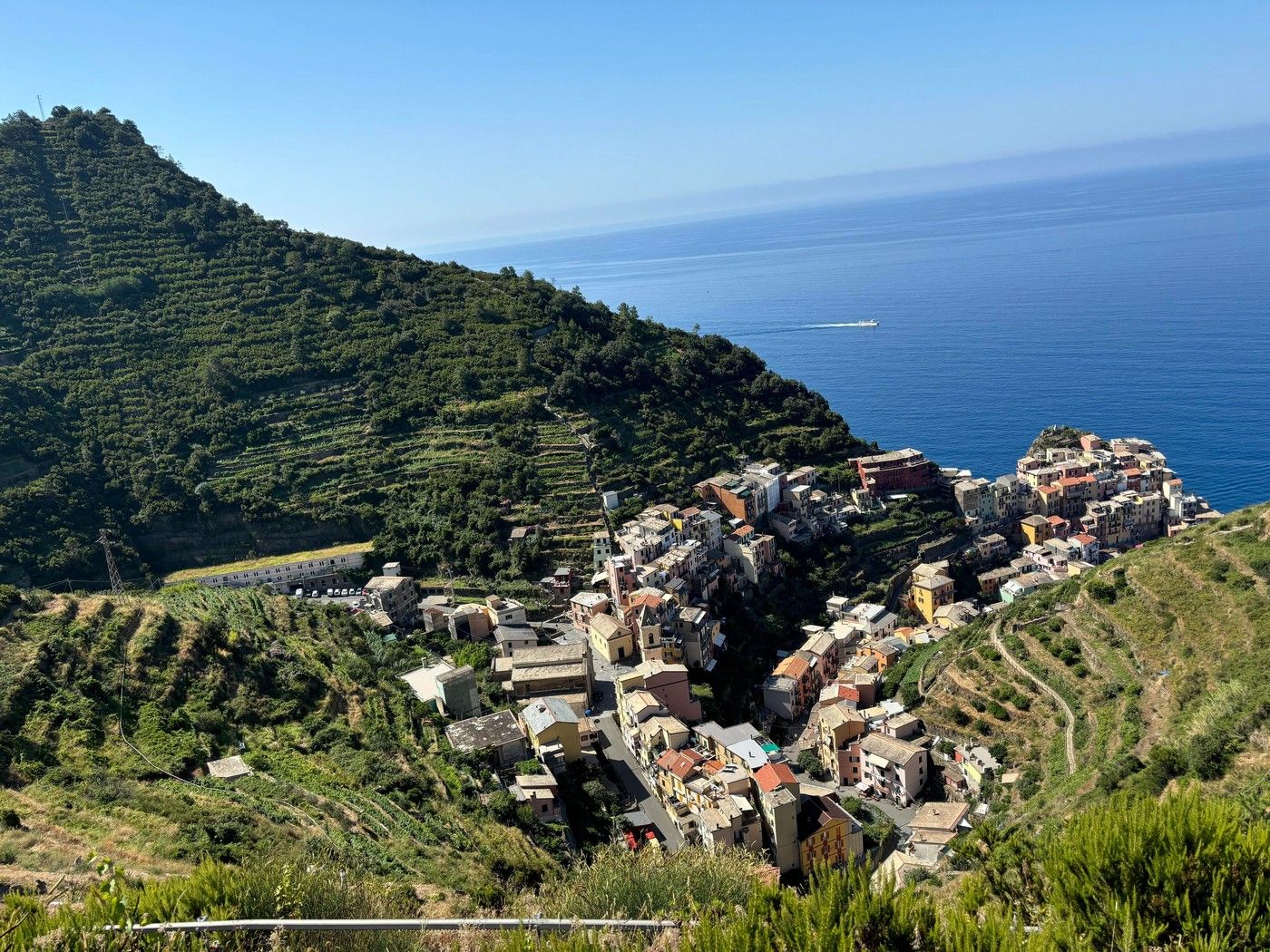
@therealchungis/reddit.com
The park is also rich in history, with centuries-old farming techniques still evident in the terracing that sustains the local agriculture. With its vibrant villages, stunning landscapes, and Mediterranean charm, Cinque Terre remains one of Italy’s most enchanting spots.
Sarek National Park, Sweden
Sarek National Park in Sweden is one of Europe’s last true wilderness areas, covering over 1,900 square kilometers in the Swedish Lapland. Established in 1909, the park is renowned for its dramatic landscapes, including 200 peaks, 100 glaciers, and numerous wild rivers.
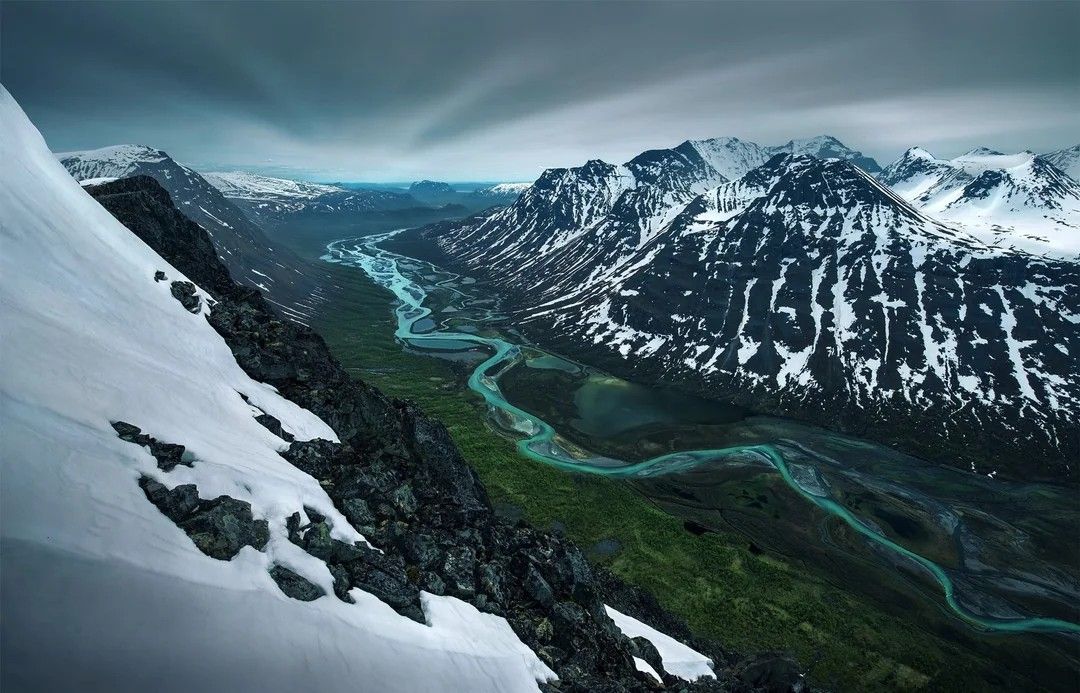
@arbili/reddit.com
Sarek’s highest peak, Mount Kunskarjakka, rises to 2,043 meters. There are reindeer, golden eagles, and Arctic foxes. The park’s remote nature makes it an ideal location for those seeking a truly wild experience but its rugged terrain and harsh climate require careful preparation for any adventurer.
Kakadu National Park, Australia
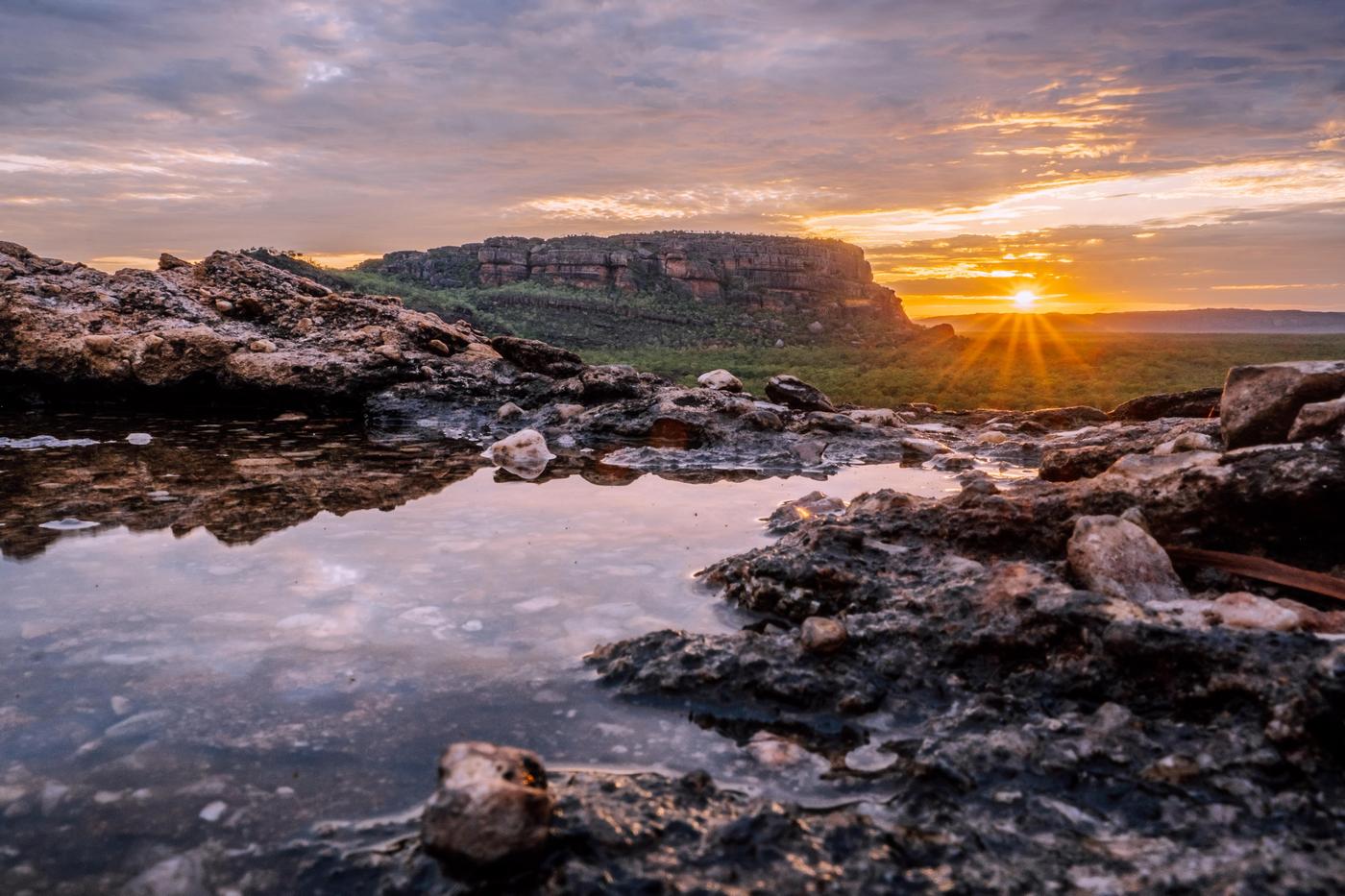
Kakadu National Park is home to ancient Aboriginal rock art, with some sites dating back over 20,000 years, telling stories of the land’s rich heritage. Kakadu is also teeming with wildlife, including the powerful saltwater crocodile, colorful bird species, and kangaroos that roam its remote terrain.
@agnes1223334444/reddit.com
The park’s breathtaking features include the thundering Jim Jim Falls, towering cliffs, and serene billabongs, offering endless opportunities for adventure and exploration. A UNESCO World Heritage site, Kakadu is not just a place but a living testament to Australia’s natural beauty and cultural legacy.
Arches National Park, USA
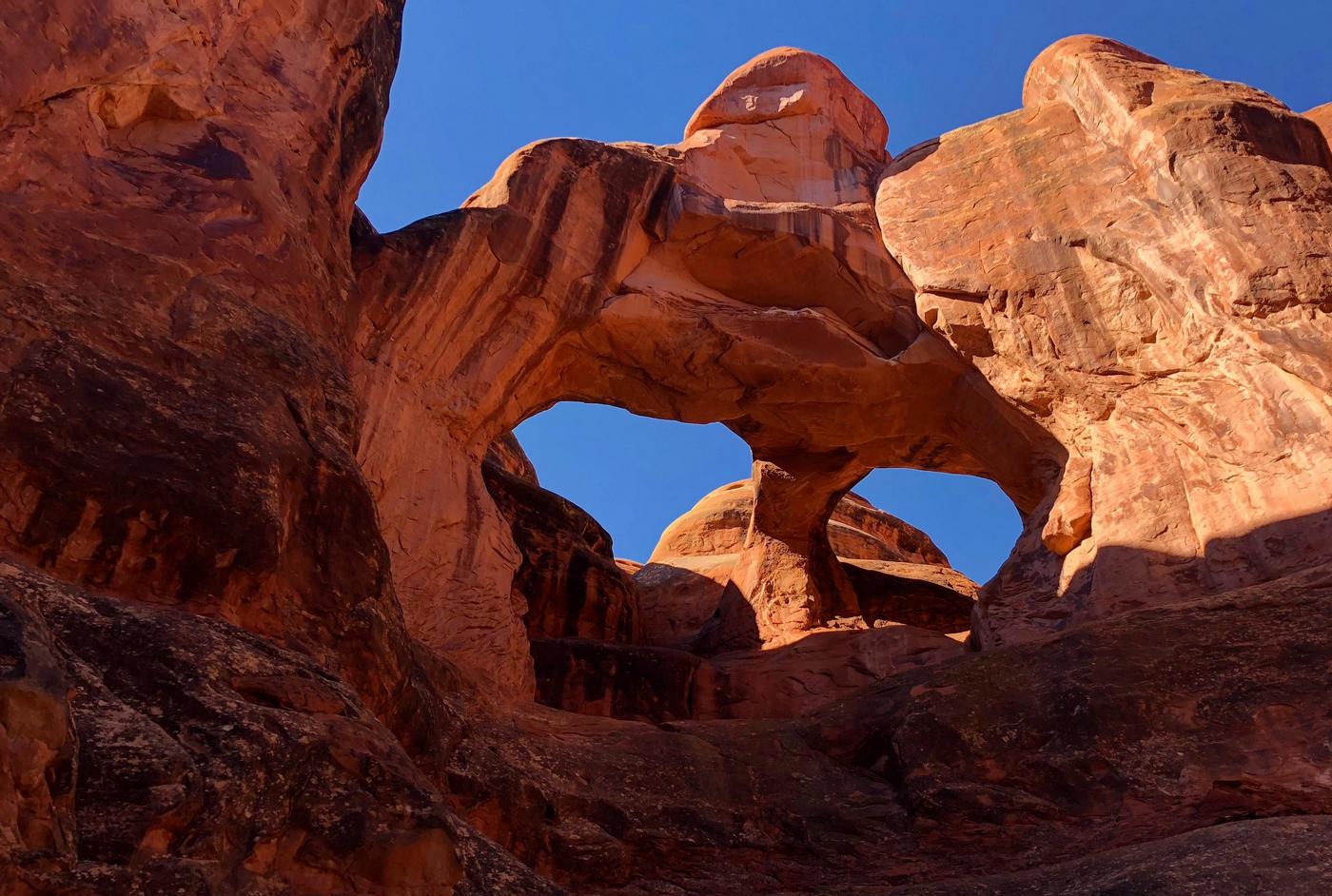
Do you find a place with something special? It's the Arches National Park in Utah where is wonderland of red rock formations —over 2,000 in total. Sculpted by wind and time, these delicate formations, including the iconic Delicate Arch and Landscape Arch, create a landscape that feels almost otherworldly.
@tuck5903/reddit.com
The park offers more than just stunning arches—it’s a geological masterpiece shaped over millions of years. Visitors can explore hidden trails, marvel at the contrasting colors of the desert, and witness the magic of stargazing in one of the darkest skies in the country.
Lencois Maranhenses National Park, Brasil
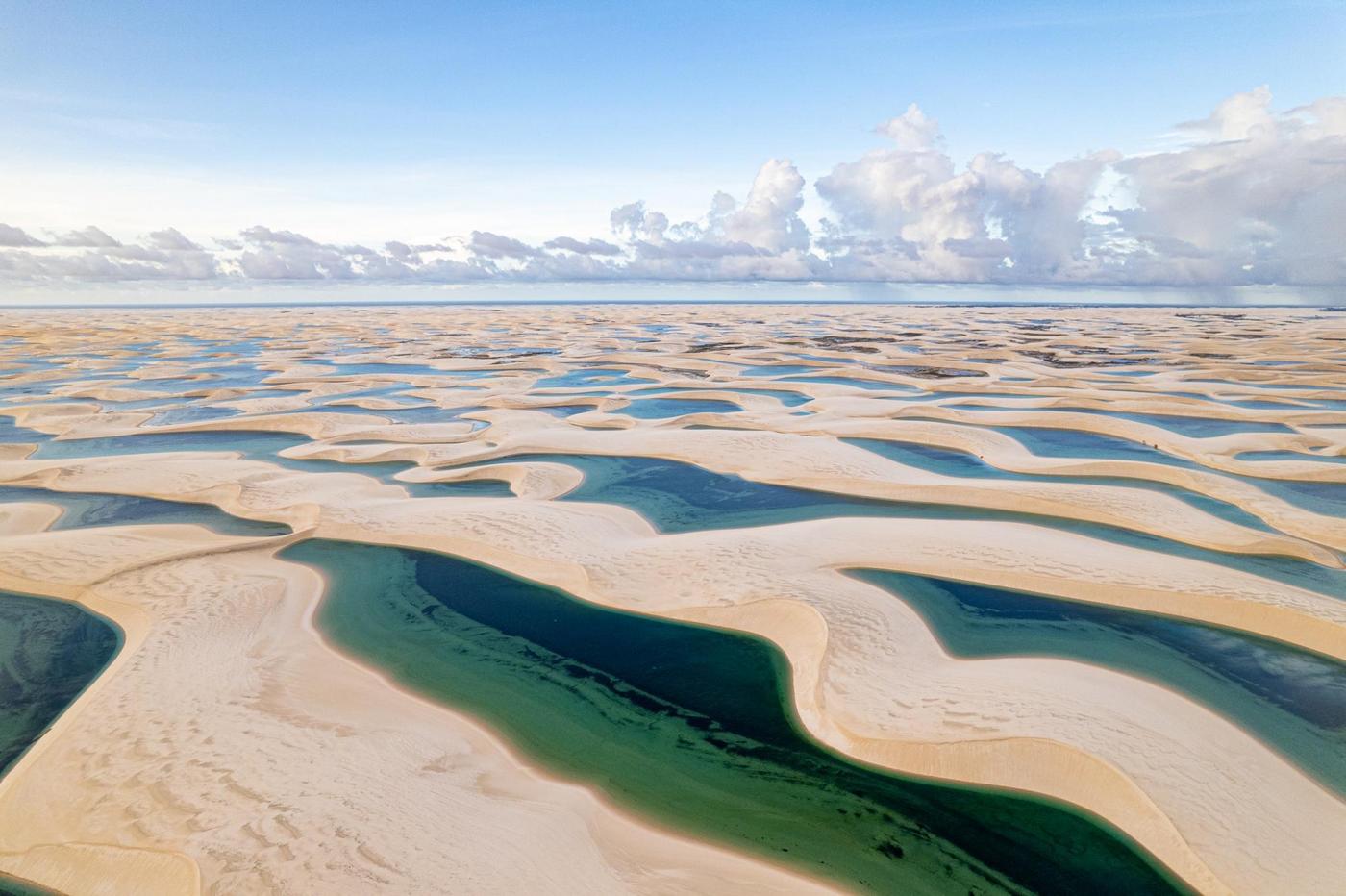
Despite looking like a vast desert, Lencois Maranhenses National Park receives heavy rainfall, creating thousands of crystal-clear lagoons between its rolling white sand dunes. These lagoons, which appear between June and September, offer a breathtaking contrast of blue and green against the bright sand.
@gogibgography/reddit.com
The park spans over 1,500 square kilometers. There are turtles, fish, and migratory birds. Surprisingly, some fish species, like the wolffish, can survive even when the lagoons dry up by burrowing into the wet sand.
Yoho National Park, Canada
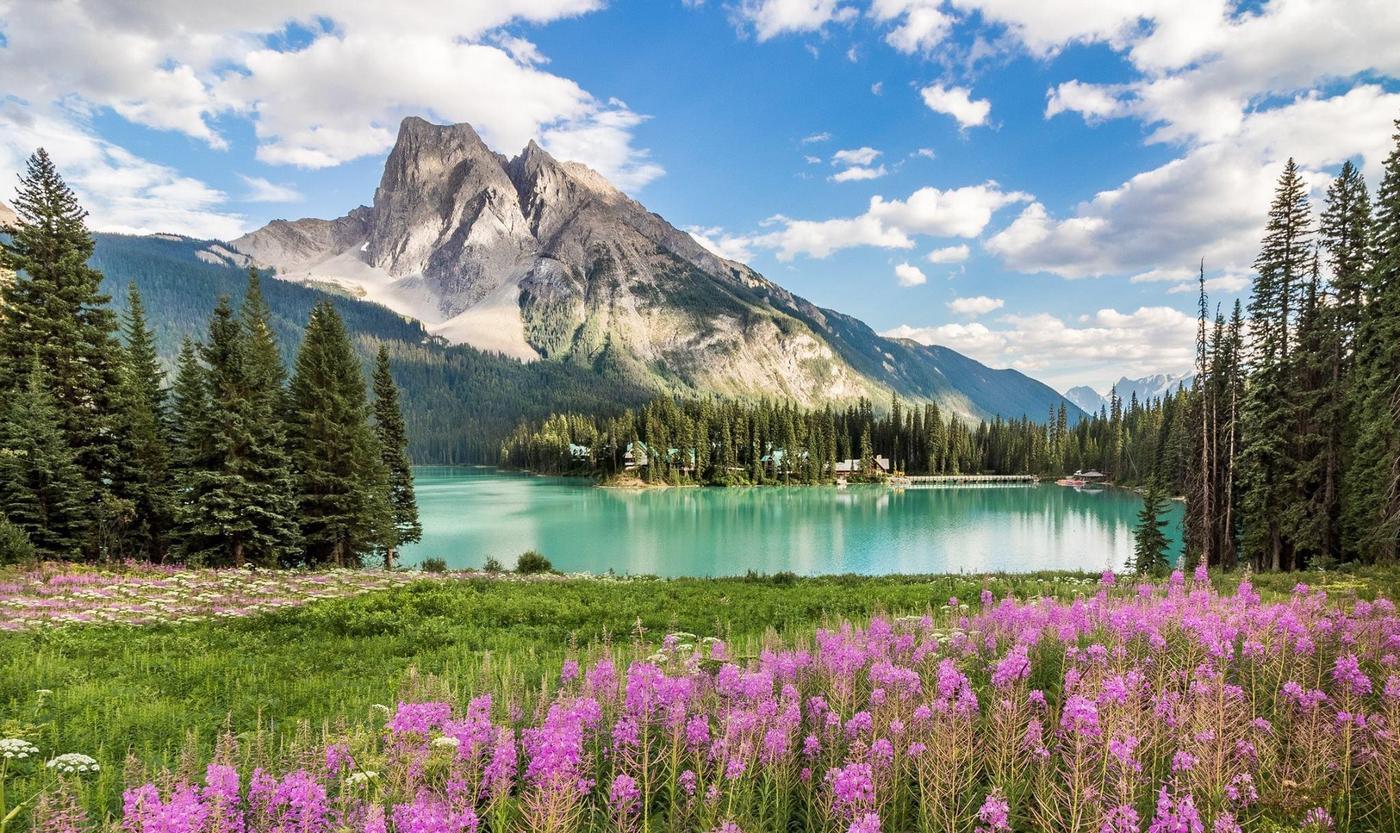
Majestic peaks, roaring waterfalls, and crystal-clear lakes define the wild beauty of Yoho National Park. Shaped by glaciers and time, this rugged landscape holds secrets of the past, including the world-famous Burgess Shale fossils, which capture ancient marine life from over 500 million years ago.
@CaptainClay2606/reddit.com
Carved by the rushing waters of the Kicking Horse River, a remarkable natural bridge stands as a testament to nature’s artistry. Nearby, Takakkaw Falls tumbles nearly 400 meters down a sheer rock face, creating a misty spectacle. In summer, adventurers trek through vibrant alpine meadows, uncover hidden glacial caves, or paddle across the turquoise waters of Emerald Lake.
Phong Nha-Ke Bang National Park, Vietnam
A jungle hiding world records, underground rivers leading into the unknown, and caves big enough to fit skyscrapers—this is Phong Nha-Ke Bang, a park of mysteries in the heart of Vietnam. Once an ancient seabed, this land holds over 400 million years of history, making it one of the oldest karst regions on Earth.
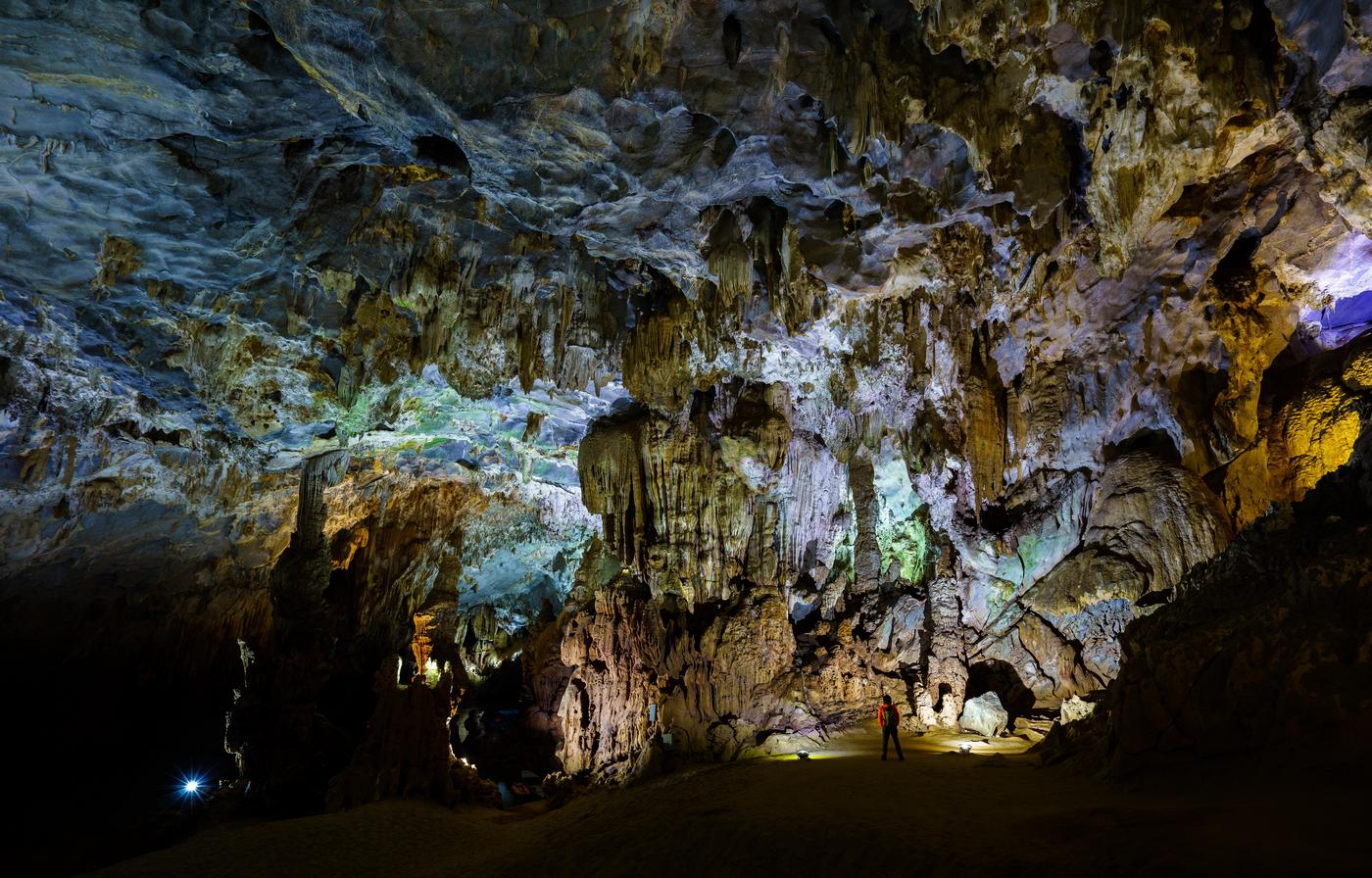
@coolcatjames/reddit.com
The crown jewel of the park is Son Doong Cave, the largest in the world. With its own climate, misty clouds, and underground jungle, it feels like stepping onto another planet. Here, adventurers can float down subterranean rivers, marvel at towering stalactites as high as ten-story buildings, and pass through natural arches of staggering proportions.
Jigme Dorji National Park, Bhutan
Wild and majestic, Jigme Dorji is more than just a national park—it is a true treasure trove of Bhutan’s nature and culture. Stretching from subtropical valleys to snow-capped peaks, the park forms a unique mosaic of ecosystems.
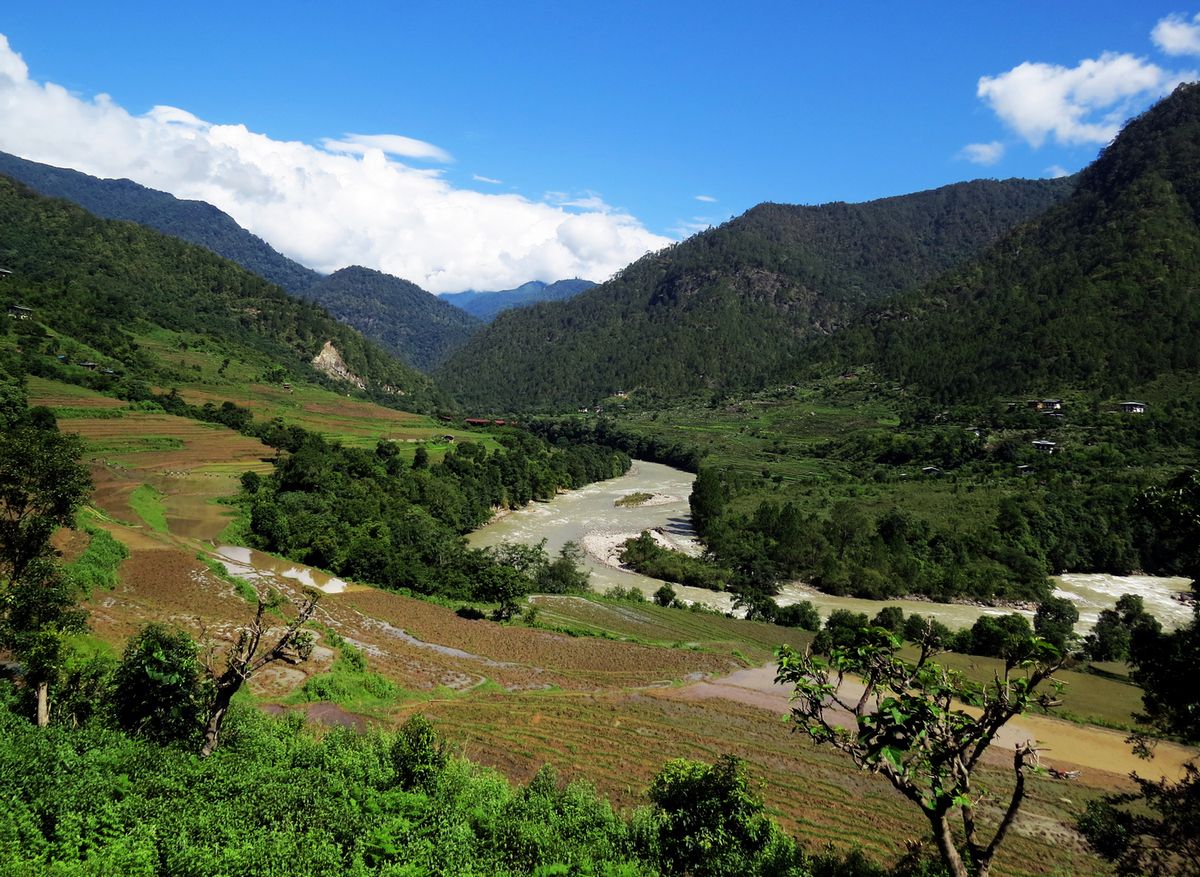
@Jigme Dorji National Park/wikipedia.org
Its inhabitants include rare and sacred animals of Bhutan: the takin, the black Himalayan bear, and even the elusive snow leopard hiding among the cliffs. But Jigme Dorji is not just about nature. Ancient trade routes that once crossed the Himalayas are still preserved here, and local communities continue to live in harmony with centuries-old traditions.
Los Glaciares National Park, Argentina
The Southern Patagonian Ice Field, one of the largest outside polar regions, dominates the park, with its massive glaciers carving through the land. Perito Moreno Glacier stands out as one of the few glaciers still advancing, creating spectacular icefalls that crash into the lake below with thunderous force.
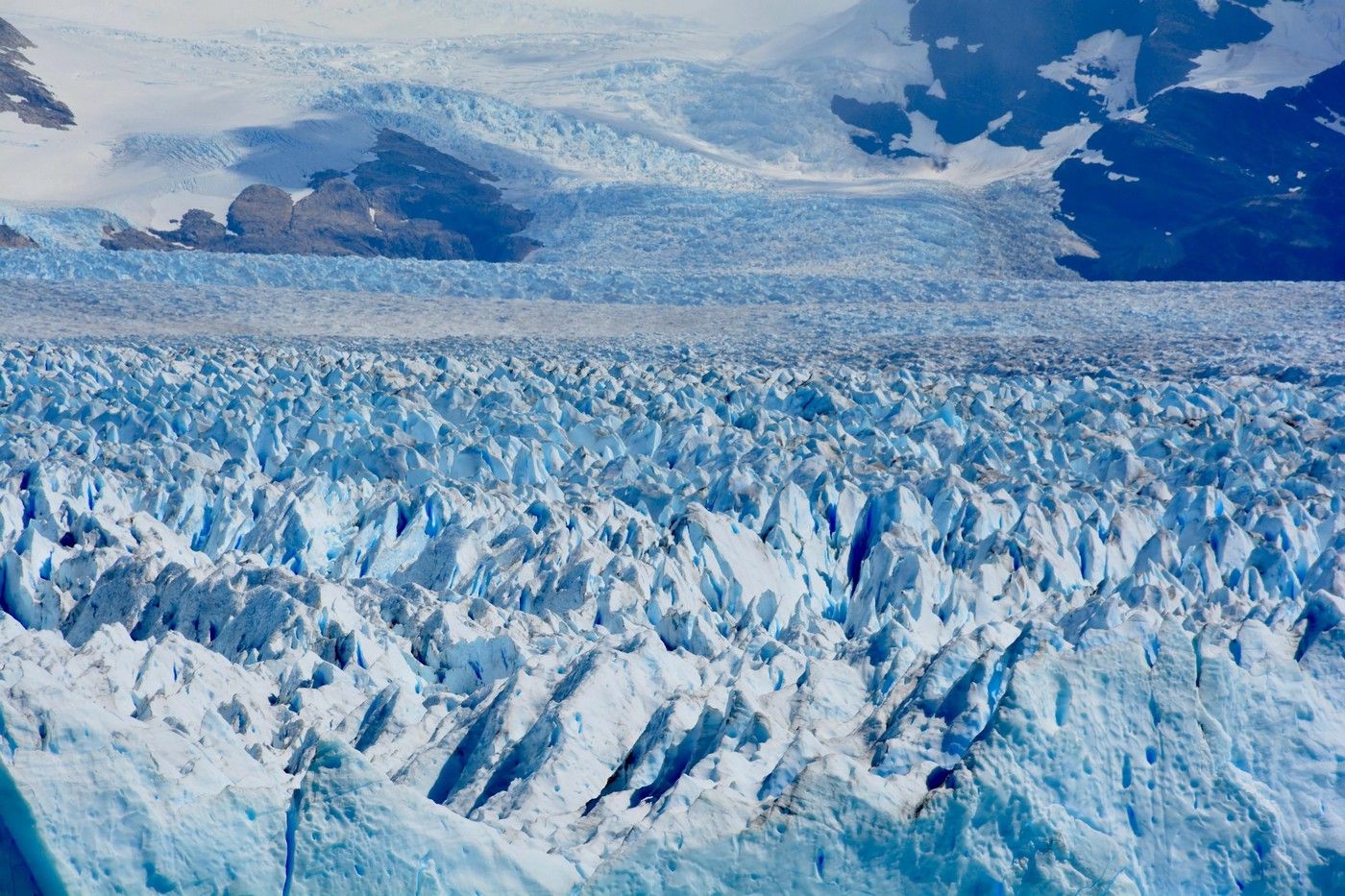
@N-by-NW/reddit.com
The park shelters rare wildlife, like the huemul deer, a symbol of conservation in Argentina, and the Andean condor, whose wings span over the jagged cliffs. The region also holds ancient secrets, with rock art and tools left by prehistoric cultures, offering a glimpse into the human history that once unfolded in this icy wilderness.
Lake District National Park, England
Lake District National Park in England isn’t just a place. It’s a landscape alive with stories, where misty hills roll into serene waters and the echoes of ancient poets still linger in the air. Far from being a mere collection of lakes, the park is a mosaic of hidden valleys, craggy peaks, and emerald forests, each turn revealing something new.
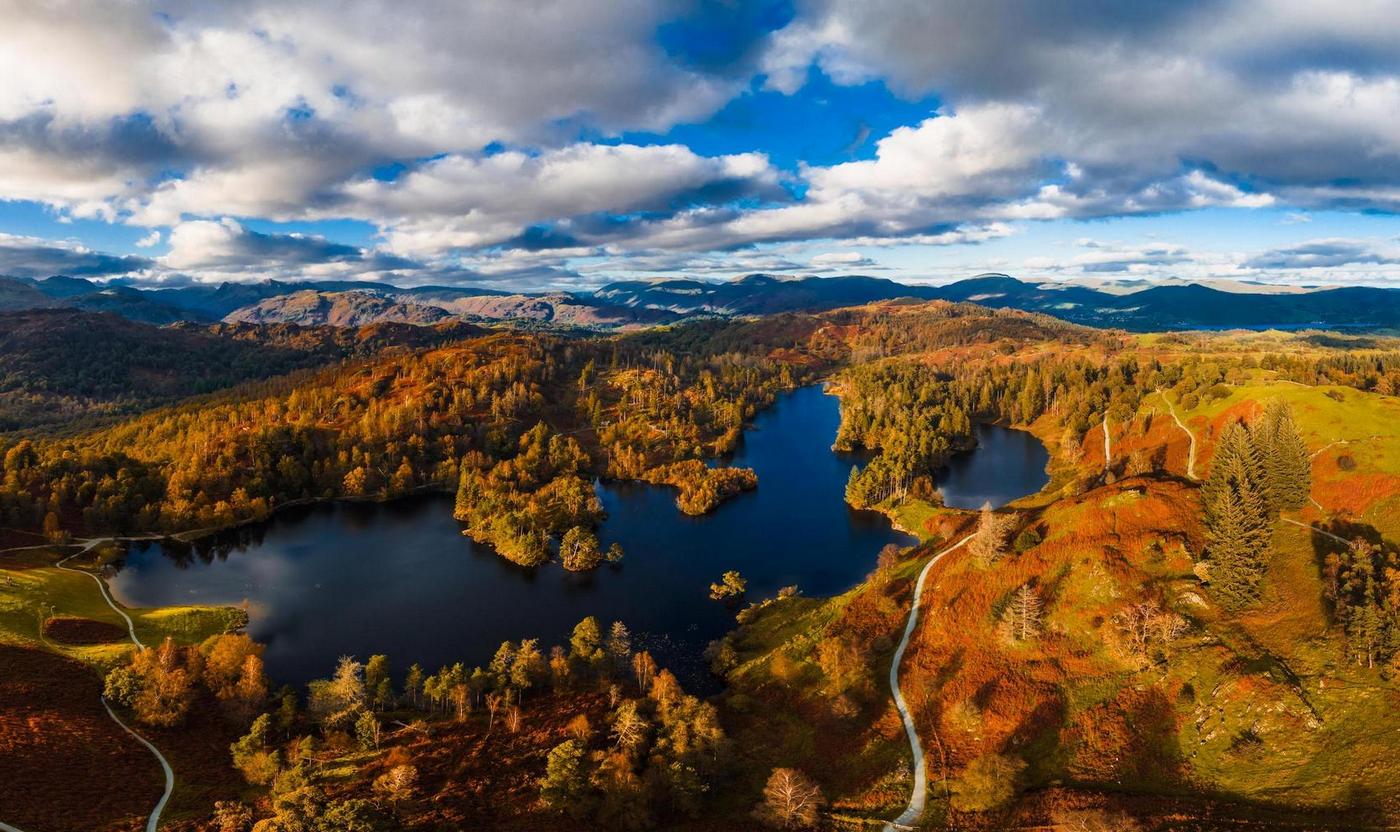
@eggy900/reddit.com
Wildlife here is as varied as the landscape itself—red squirrels dart through the trees, while peregrine falcons circle above the crags. And beneath the tranquil surface of the lakes lies a history of submerged villages, where ancient settlements once thrived before being engulfed by rising waters.
Madidi National Park, Bolvia
Madidi National Park in Bolivia strikes with an extraordinary sense of wonder. One of the most biodiverse places on Earth, it seamlessly blends rugged mountains with lush rainforests. Home to jaguars, macaws, and hundreds of species of plants and insects, Madidi feels like an untouched world brimming with life.
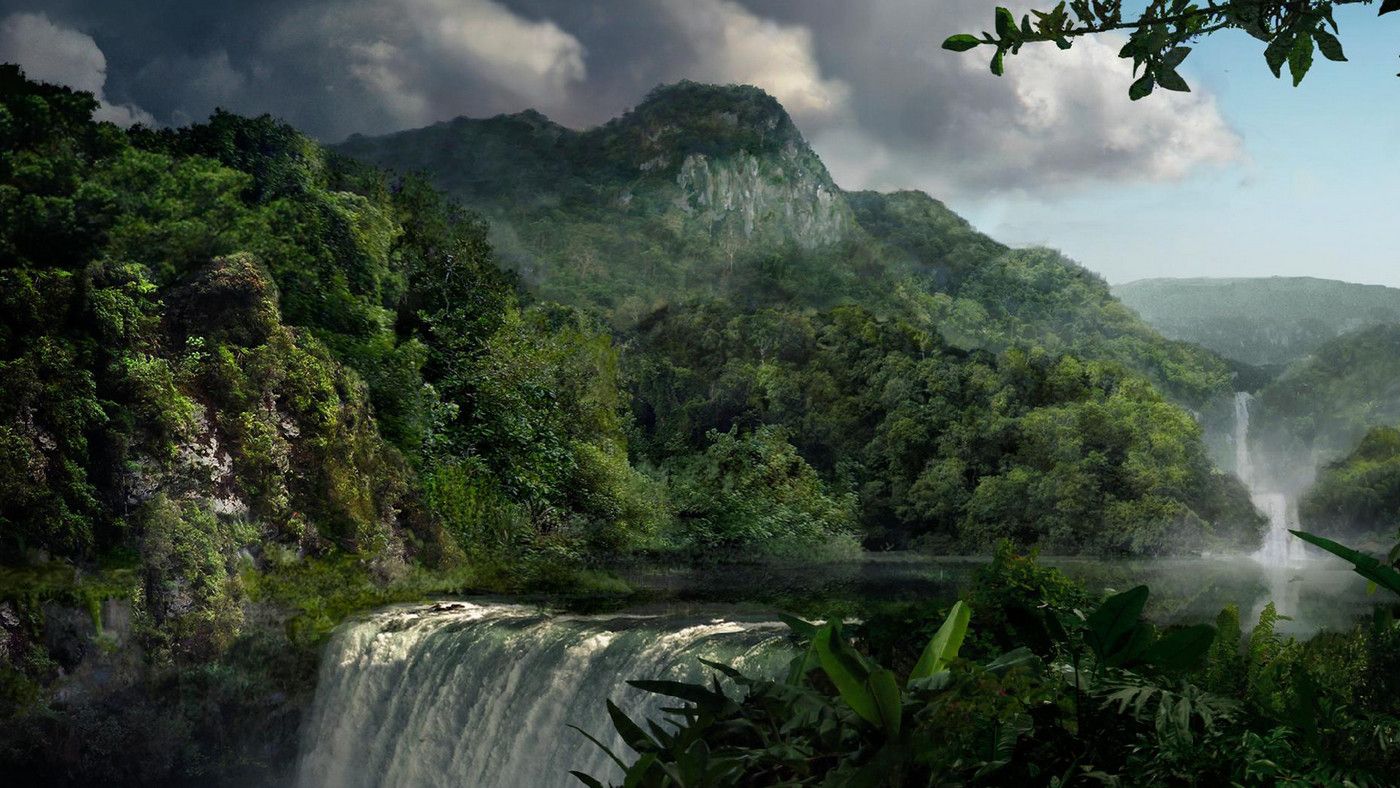
@EarthPorn/reddit.com
Its remote location keeps it largely unexplored, allowing it to remain a sanctuary for rare and elusive species. Hidden among the dense foliage are ancient paths once used by indigenous tribes, and the rivers, clear and untamed, carve their way through the jungle like veins of life.
Haleakala National Park, USA, Hawaii
Haleakala National Park on the Hawaiian island of Maui is a realm where Earth’s raw power meets tranquil beauty. Rising from the ocean, the park is centered around the massive Haleakalā volcano, whose summit offers one of the most extraordinary sunrise experiences on the planet. As the sun’s first light spills over the crater, the colors of the landscape shift from deep purples to vibrant oranges.
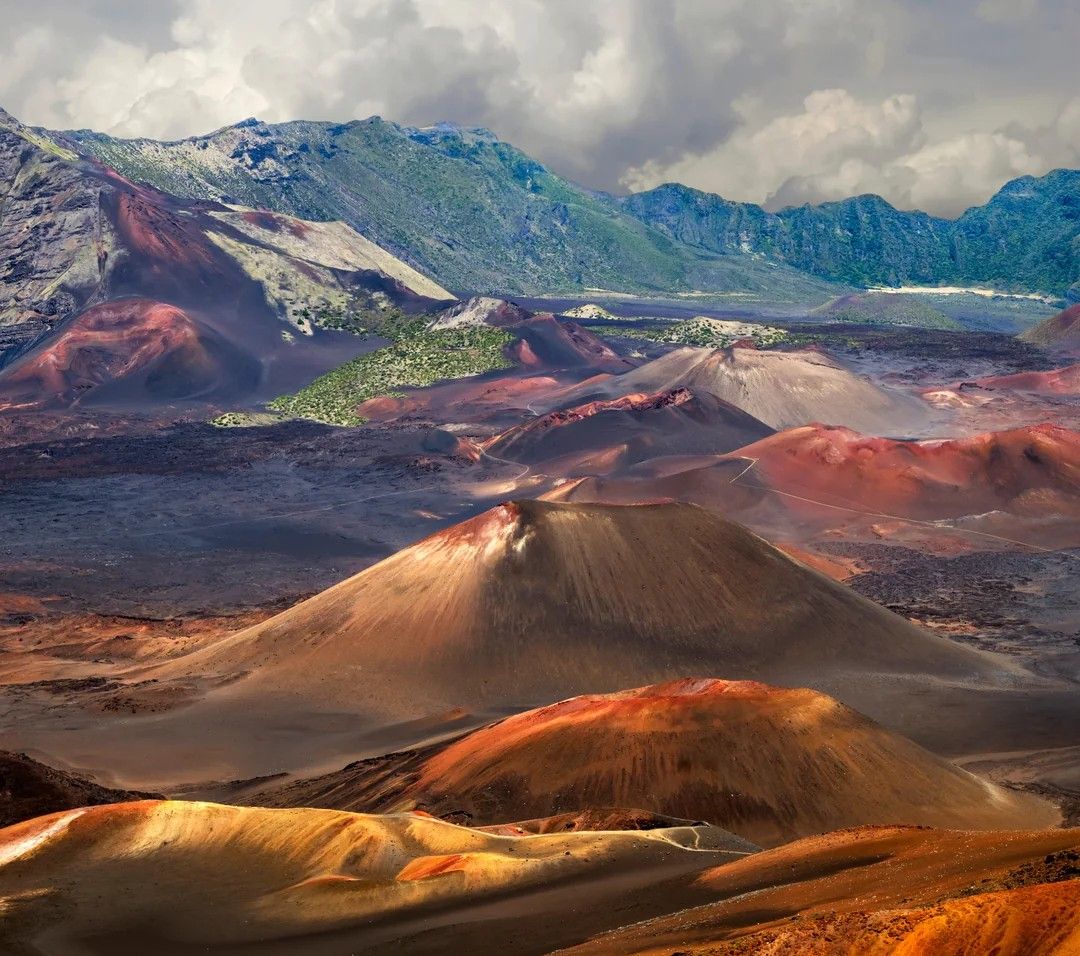
@ImagesByCheri/reddit.com
The park’s higher elevations are home to delicate silversword plants, which bloom only once in their lifetime, for eaxample the endangered Hawaiian petrel. The landscape is a living testament to the island’s volcanic past, with cinder cones, craters, and lava tubes that transport visitors to another time.
Bromo Tengger Semeru National Park, Indonesia
What sets Bromo Tengger Semeru National Park in Indonesia apart is the Tenggerese people, who have lived here for centuries, weaving their culture into the very fabric of the land. Every year, they perform the Yadnya Kasada ritual, a unique offering to the gods, where they cast fruits, flowers, and even livestock into the steaming caldera of Mount Bromo.
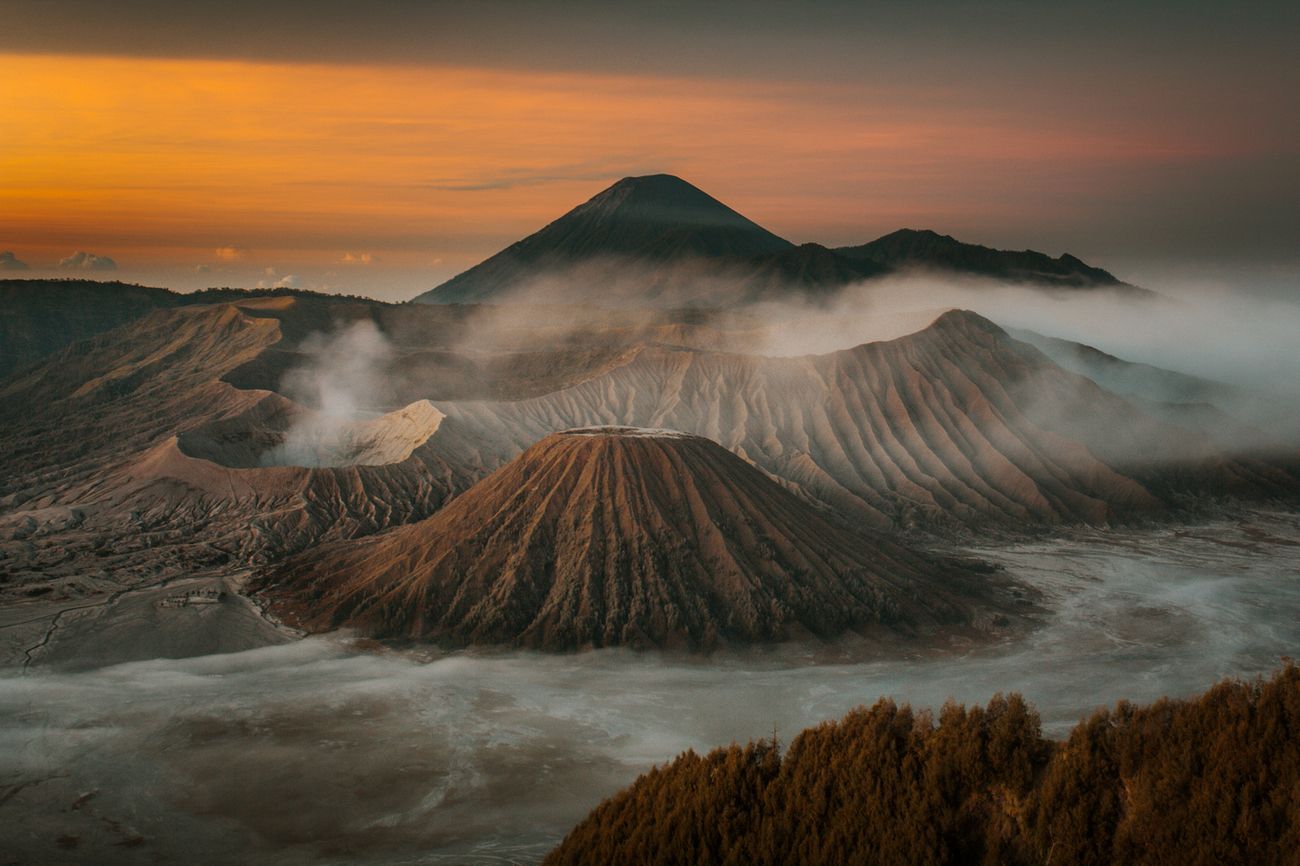
@HeStoleMyBalloons/reddit.com
In the early morning, when the sun pierces the mist, the park reveals its full magic—rays of light flicker over the lunar-like landscape, while the occasional eruption adds a pulse of raw power to the tranquil surroundings.
Ordesa y Monte Perdido National Park, Spain
The centerpiece of Ordesa y Monte Perdido National Park Monte Perdido, or "Lost Mountain," is a towering limestone giant that stands as a silent guardian over the land. Its name comes from the sense of awe and mystery it evokes, with its jagged edges and towering presence seemingly untouched by time.
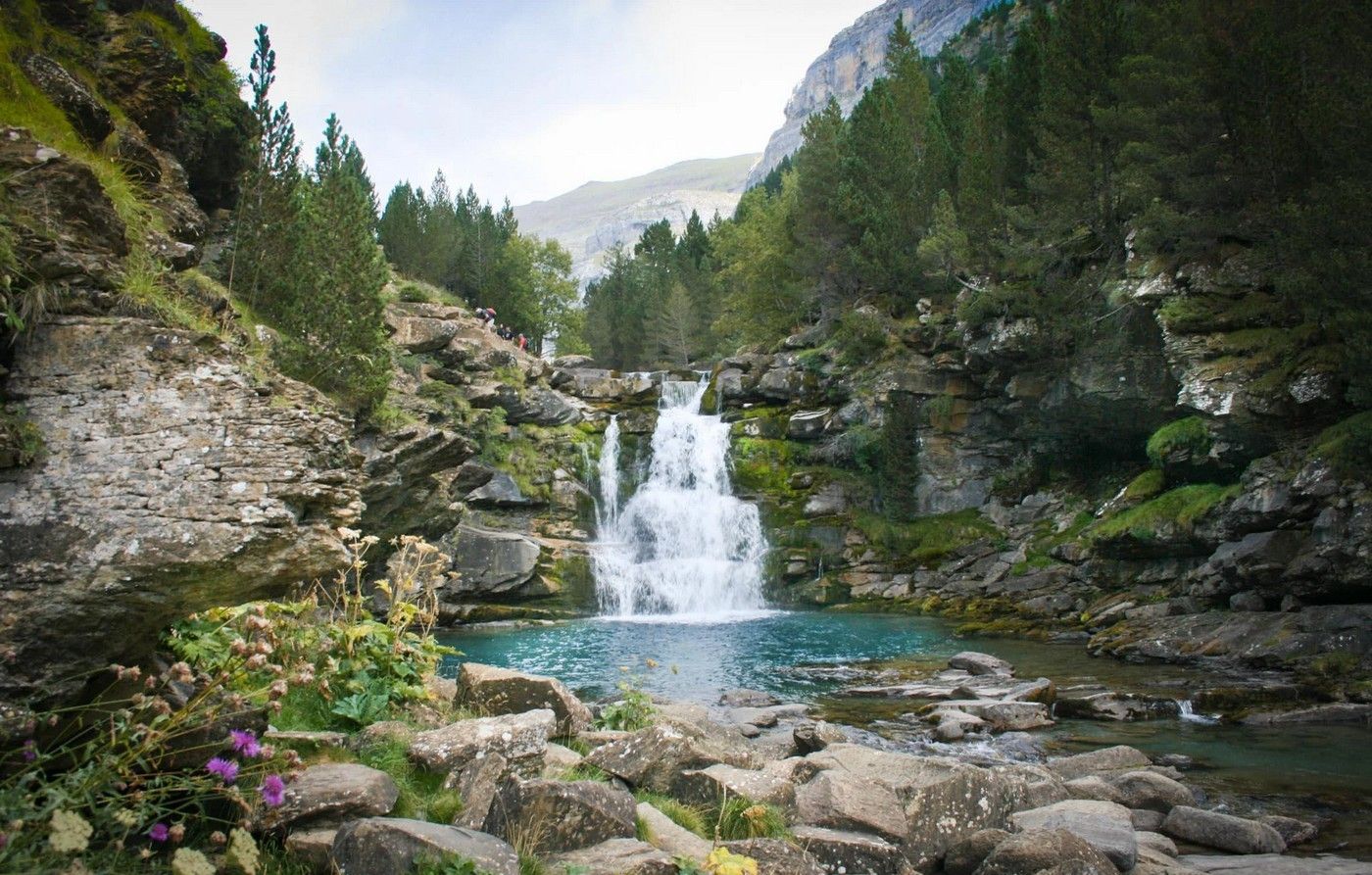
@oscar-foxtrot/reddit.com
The park is also a sanctuary for wildlife, including the elusive Pyrenean ibex, which once vanished from these mountains but has made a remarkable return. In spring and summer, Ordesa becomes a vibrant canvas of wildflowers, while the rivers that wind through the valleys shimmer with clarity.
Deosai National Park, Pakistan
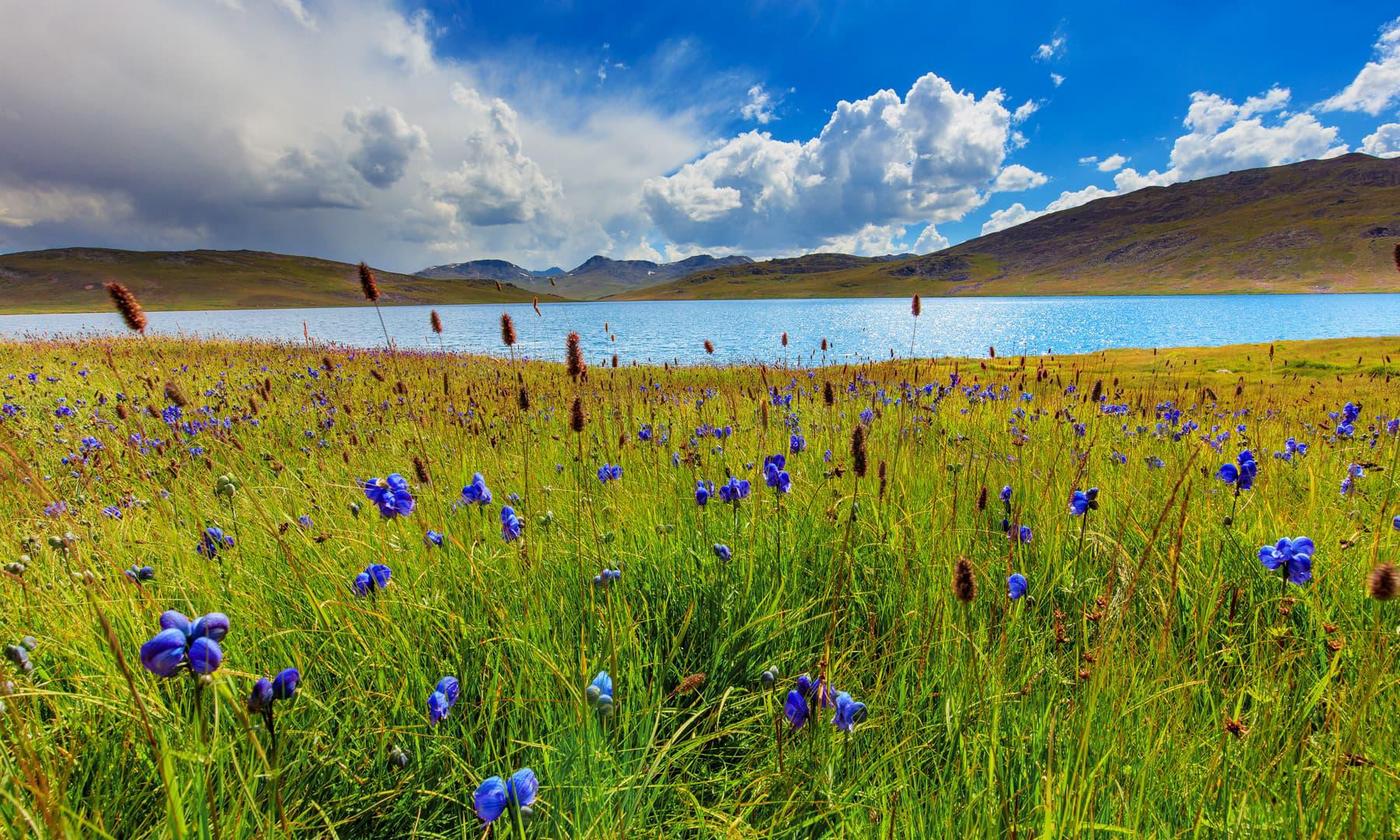
Known as the "Land of Giants," DeosaiNational Park is one of the highest national parks in the world, sitting at an elevation of over 4,000 meters (13,000 feet). Here, the plains are so vast that the horizon seems infinite, offering a panoramic view of towering peaks, deep valleys, and rolling grasslands.
@zunairakhn/reddit.com
Despite its harsh altitude, Deosai bursts with life during the summer months. The park becomes a vibrant oasis, with wildflowers carpeting the meadows in hues of yellow, purple, and red. The skies are alive with the soaring flight of golden eagles, and herds of blue sheep and Kashmiri goats roam freely across the plains.
Great Smoky Mountains National Park, USA
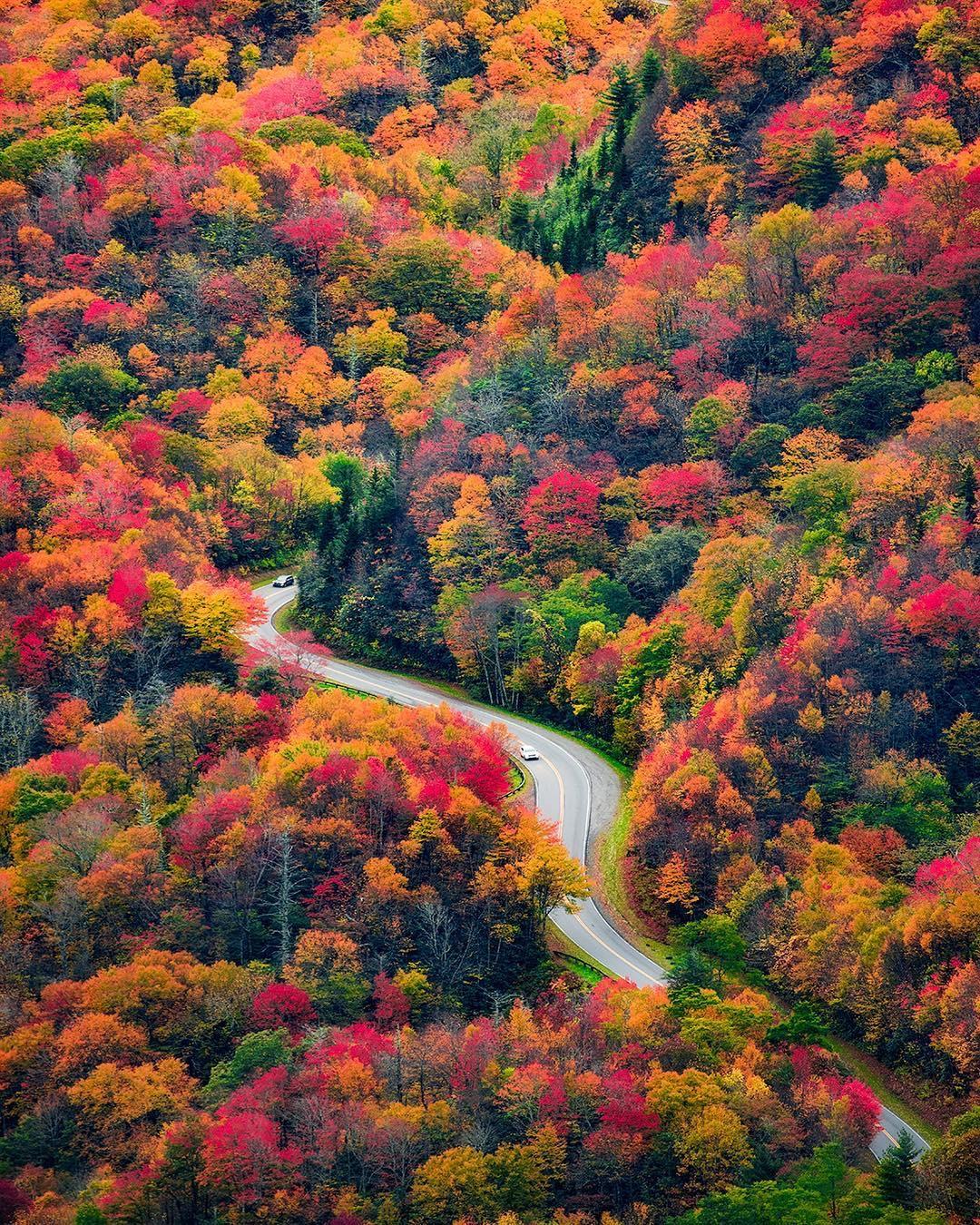
Straddling the border between North Carolina and Tennessee, the Great Smoky Mountains National Park is one of the most biodiverse areas in North America, teeming with a vast array of plants, animals, and fungi. One of the most captivating sights in the Smokies is the synchronous fireflies of Elkmont.
@pp0787/reddit.com
Every year, these tiny creatures light up the forest in a dazzling, synchronized display, an event that draws visitors from all over the world. Beyond the flora and fauna, the Smokies are also a living testament to the region’s history, with remnants of ancient Appalachian culture still visible in the form of old cabins, cemeteries, and gristmills scattered across the park.
Erawan National Park, Thailand
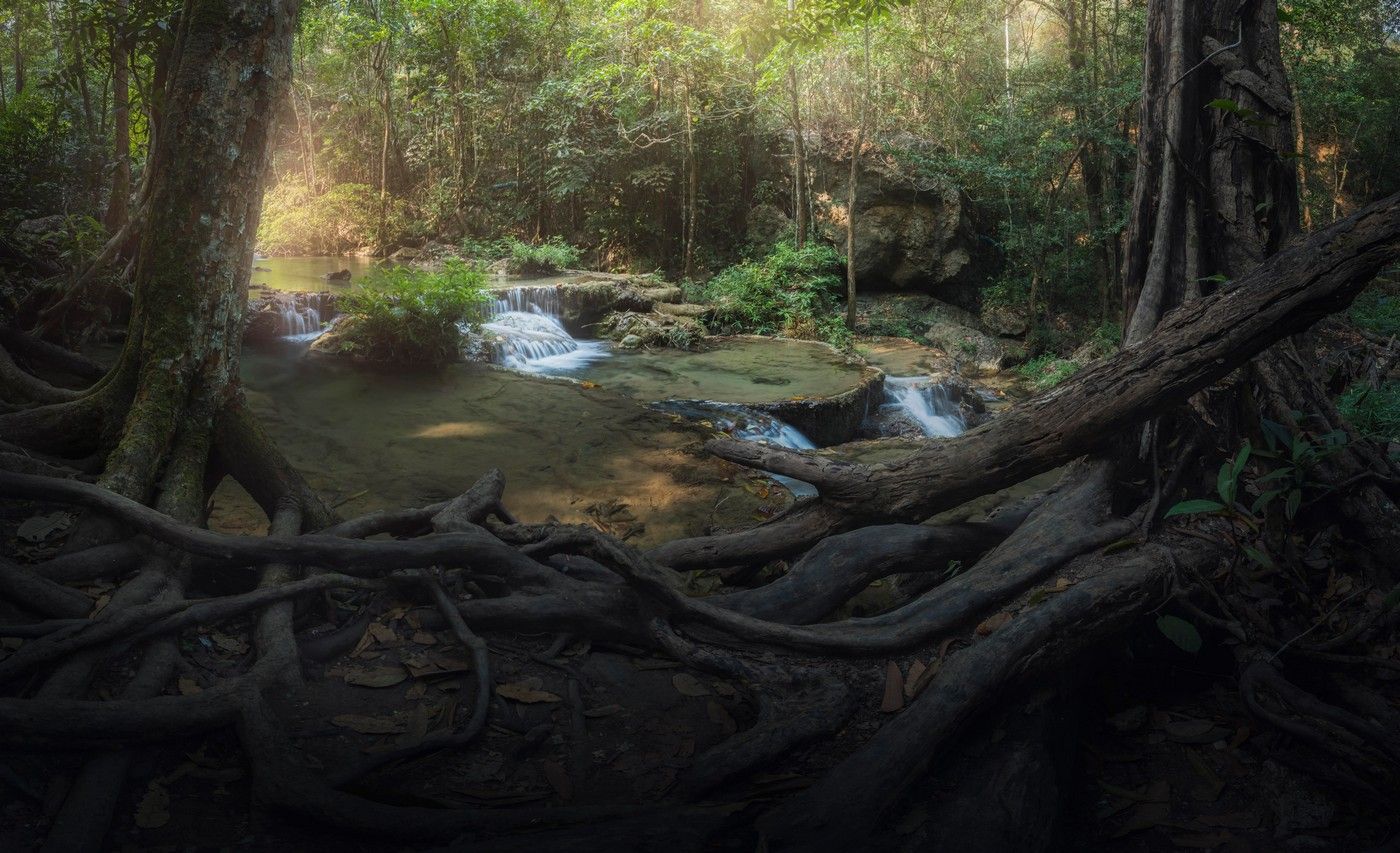
Erawan National Park in Thailand is a hidden gem, where emerald waters cascade down multi-tiered waterfalls, each one more breathtaking than the last. Named after the mythical three-headed elephant, Erawan Falls is the crown jewel of the park but its beauty goes far beyond this iconic waterfall.
@KvBarneveld2/reddit.com
What truly sets Erawan apart is the vibrant, almost mystical turquoise color of its waters, created by the unique minerals in the limestone. Visitors can climb through seven levels of the waterfall, each one revealing crystal-clear pools perfect for swimming.
Shenandoah National Park, USA
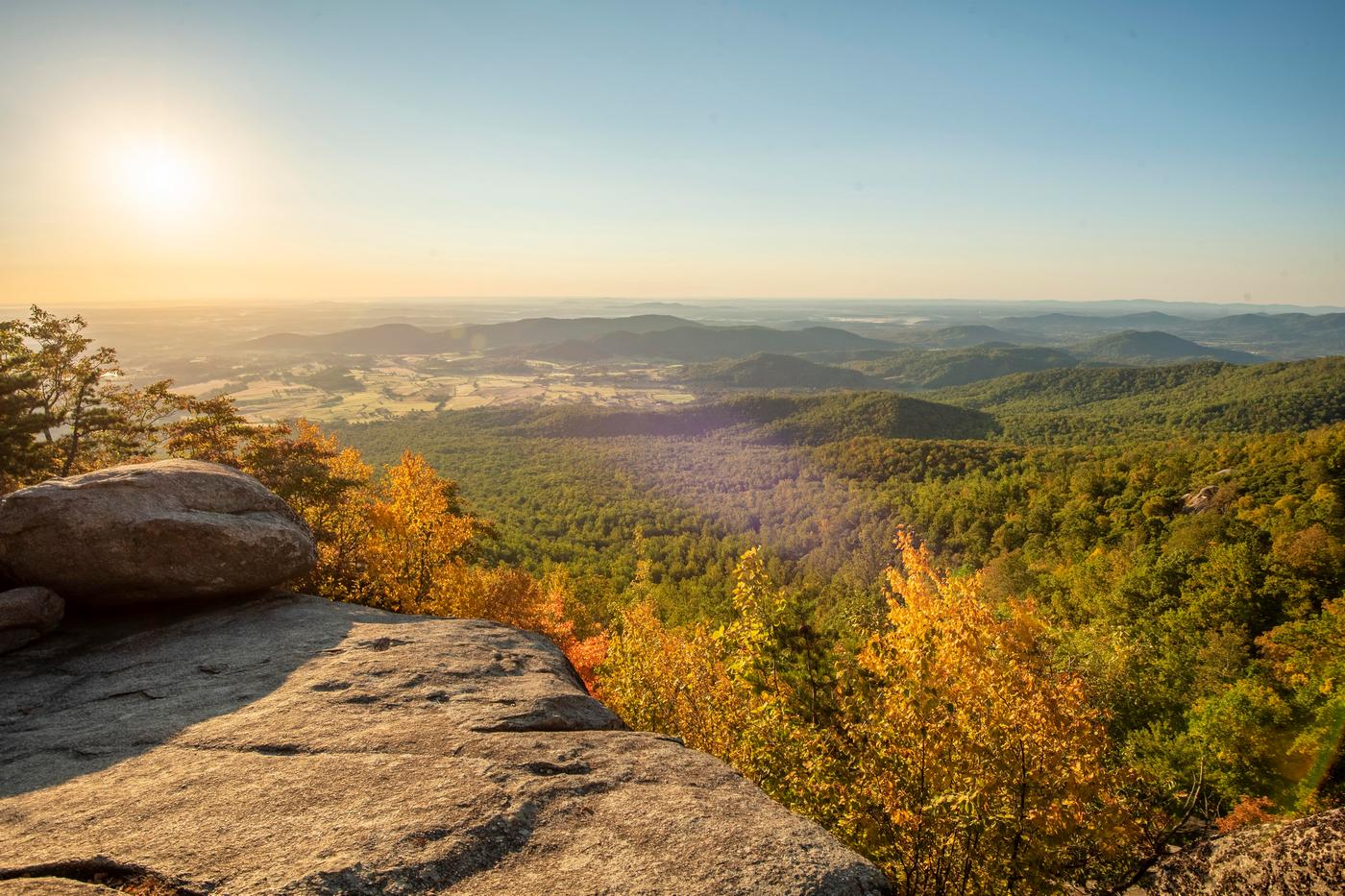
Shenandoah National Park, part of the Blue Ridge Mountains, offers a landscape steeped in history and natural beauty, with over 200,000 acres of protected land. The park’s star, Skyline Drive, runs along the crest of the mountains, offering stunning views of mist-covered valleys below.
@Nizidramaniiyt/reddit.com
The park's diverse ecosystems—ranging from dense hardwood forests to high-altitude meadows—create habitats for more than 200 species of birds, making it a paradise for birdwatchers.
Sachsische Schweiz National Park, German
In the shadow of sandstone cliffs and winding rivers, Sachsische Schweiz National Park in Germany reveals a landscape that seems to have been sculpted by ancient hands. Known as the Saxon Switzerland, this park is not a place for the ordinary.
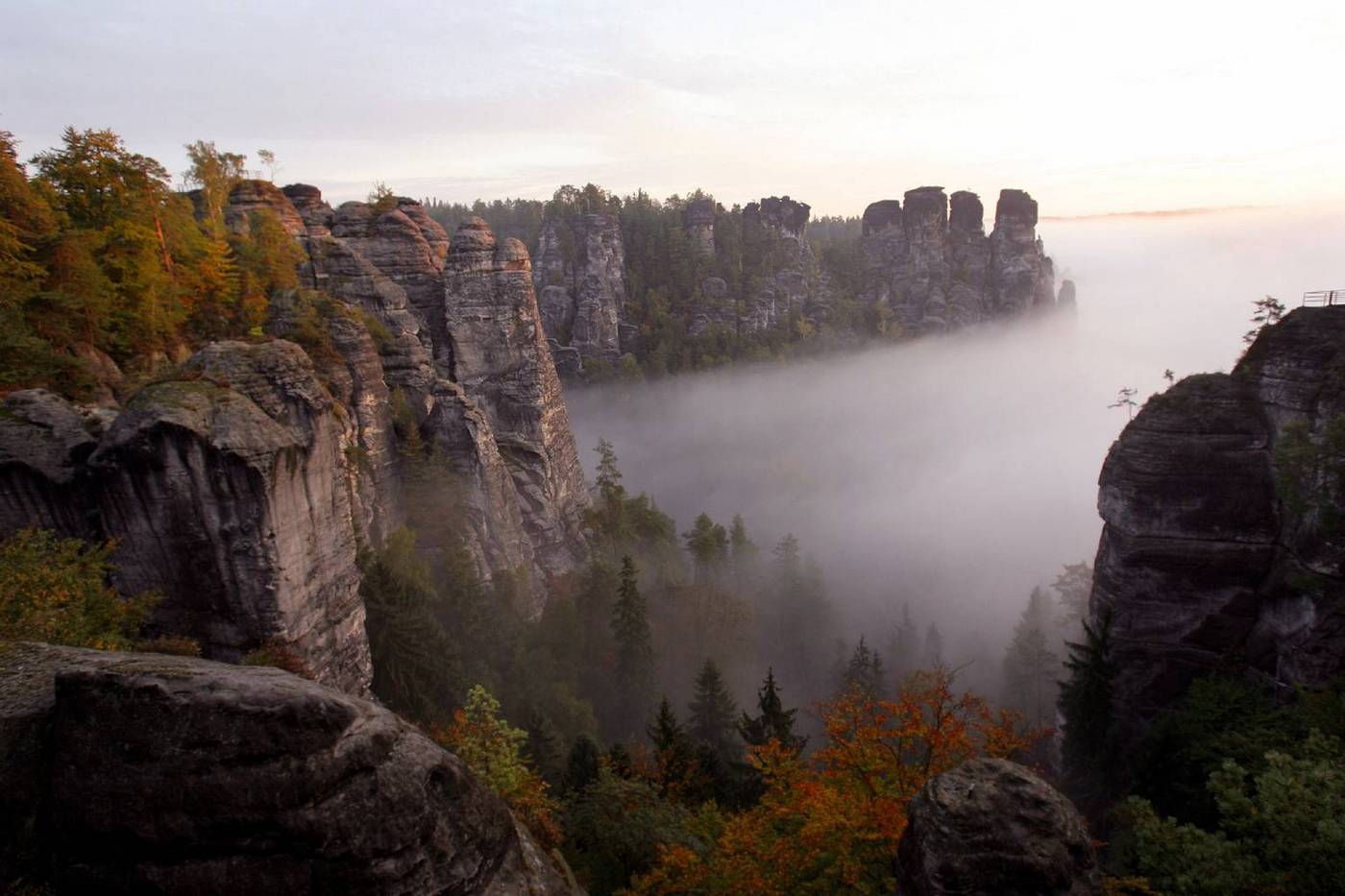
@384 Meter hoher Fels in Sächsischer Schweiz wird verkauft/rp-online.de
Ancient myths and local legends swirl through the forest, and hidden caves once served as shelters for medieval hermits and smugglers. The park also boasts some of Europe’s best hiking routes, with rock climbers drawn to its unique sandstone formations, which offer a different kind of challenge.
Wrangell-St. Elias National Park, USA
Wrangell-St. Elias National Park in Alaska is the wild frontier where nature’s grandeur reaches its peak. With an area exceeding 13 million acres, it holds the title of the largest national park in the United States. Towering at the core of Wrangell-St. Elias, the immense Wrangell Mountains dominate the landscape with their volcanic summits jutting skyward while vast glaciers flow across the terrain.
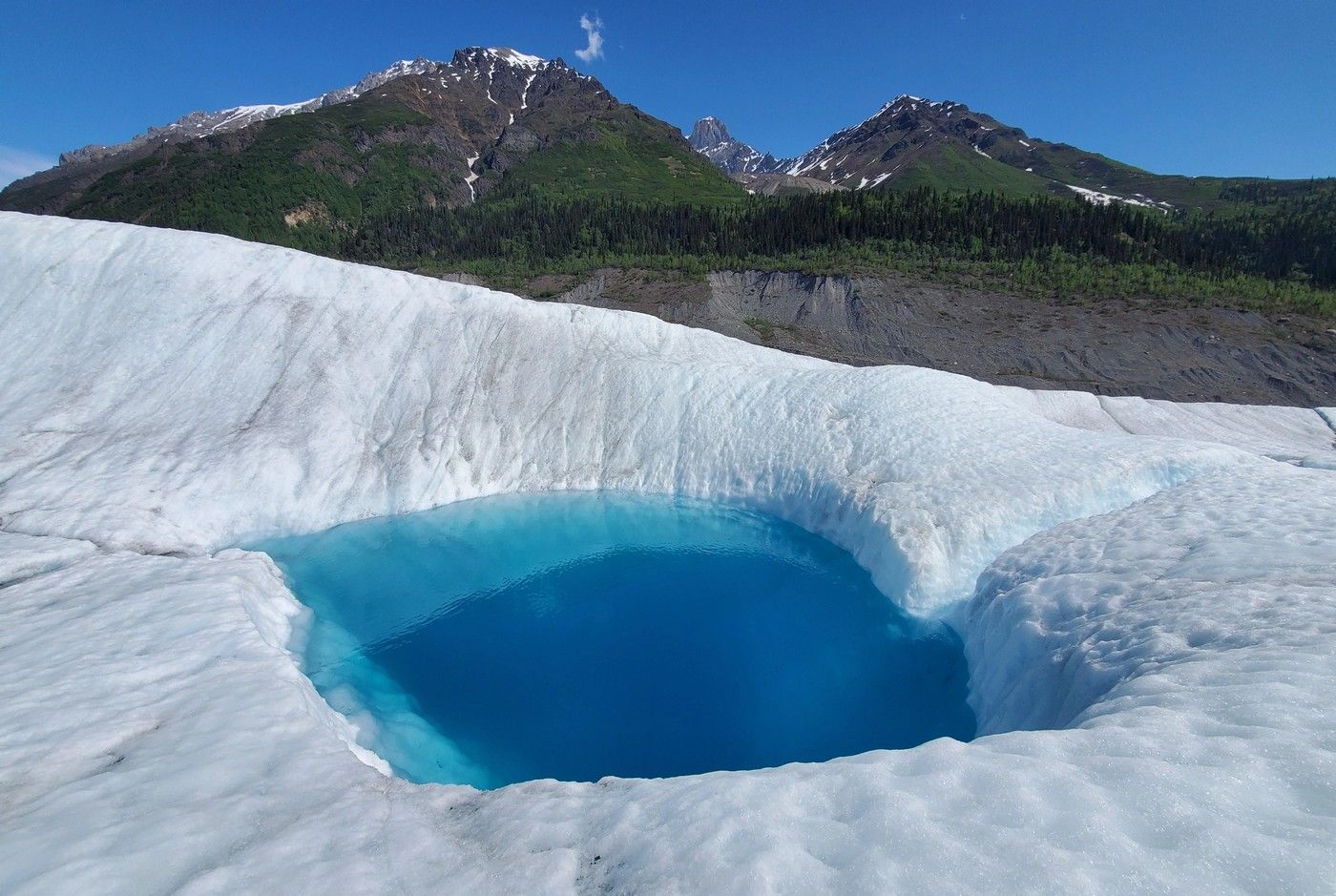
@Leopard__Messiah/reddit.com
Among the most iconic features are the Malaspina Glacier and the Bagley Icefield, vast expanses of ice that seem to go on forever. The park is also home to the largest concentration of glaciers in North America, making it a paradise for those seeking solitude amid the raw forces of nature.